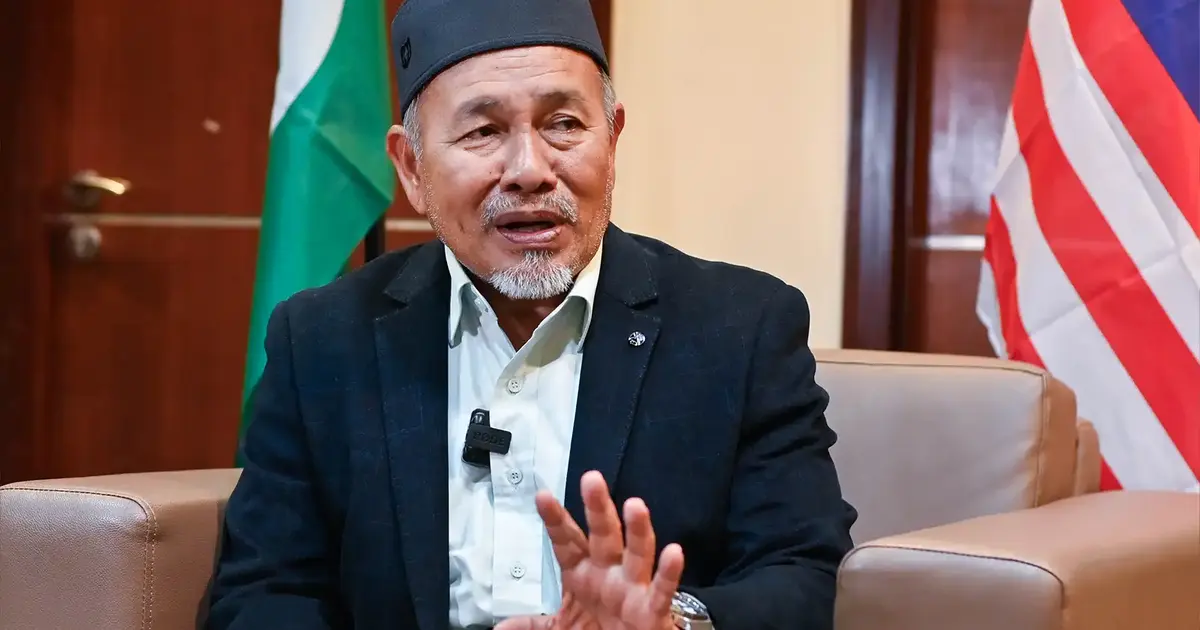
The Perikatan Nasional coalition has downplayed concerns about potential seat allocation conflicts with Barisan Nasional in the Melaka state election, with PAS deputy president Tuan Ibrahim Tuan Man expressing optimism that any disagreements can be settled through constructive dialogue. Despite the absence of formal negotiations between the two coalitions, Tuan Ibrahim signalled that PN views the situation as manageable and unlikely to derail their electoral partnership in the state.
The confidence expressed by the PAS leadership reflects an attempt to project unity within PN's ranks even as the coalition prepares for what could be a critical electoral contest in Melaka. The state has emerged as a potential battleground where both PN and BN seek to consolidate support, making seat allocation a delicate matter that could either strengthen or fracture their working relationship. For Malaysian voters, the handling of these negotiations offers insight into how the two coalitions manage competing interests while maintaining their electoral alliance.
Melaka's political landscape has been volatile in recent years, with multiple government transitions and shifting coalitions. The state election represents an opportunity for both PN and BN to demonstrate stability and coordinate effectively despite their broader national rivalry. Tuan Ibrahim's public reassurance suggests PN is keen to avoid public disputes that might undermine their electoral prospects or damage the appearance of coalition discipline during what is likely to be a closely watched campaign.
The absence of initiated seat discussions at the time of Tuan Ibrahim's comments underscores a strategic approach where public confidence precedes formal negotiation. This messaging technique is common in Malaysian politics, where coalition leaders often project certainty about resolving differences before detailed talks begin. Such confidence-building statements serve multiple purposes: they reassure party members and supporters that leadership has a handle on the situation, they signal to negotiating partners that their coalition will not accept unfavourable terms, and they manage public expectations about potential outcomes.
For Melaka specifically, seat distribution becomes particularly contentious when multiple parties within each coalition vie for nomination in competitive constituencies. Both PN and BN contain several component parties with distinct organisational structures and electoral ambitions. In previous state elections, such internal dynamics have occasionally spilled into public controversy, affecting coalition morale and voter perception. Tuan Ibrahim's statement appears designed to forestall such scenarios by establishing that leadership-level confidence can facilitate smooth resolution at the operational level.
The emphasis on amicable resolution reflects diplomatic language crucial in Malaysian coalition politics, where relationships between parties are always provisional and subject to renegotiation. By framing potential disagreements as manageable "teething problems" rather than fundamental conflicts, Tuan Ibrahim normalises negotiation as a routine aspect of electoral preparation. This approach contrasts sharply with more confrontational rhetoric that might signal serious fissures or ideological incompatibility between coalition partners.
From a Southeast Asian perspective, Malaysia's coalition-based political system requires constant calibration of interests between partners with divergent constituencies and objectives. Perikatan Nasional itself represents a relatively recent consolidation of Malay-Muslim oriented parties, while Barisan Nasional encompasses a broader range of ethnically and ideologically diverse components. Managing these coalitions' interactions in states like Melaka tests their capacity to subordinate individual party interests to collective electoral advantage.
The Melaka election holds broader significance for national politics, as state elections often signal momentum shifts between competing coalitions. A strong PN performance could reinforce arguments that the coalition represents a viable alternative government, while conversely, a BN success in states where they traditionally dominate might stabilise their position after recent electoral setbacks. This context makes seat negotiations particularly fraught with implications extending beyond Melaka's borders.
Tuan Ibrahim's measured optimism also reflects PAS's broader strategic calculations. As the largest party within PN, PAS wields considerable influence over coalition positioning in state elections. The party's confidence in amicable resolution potentially signals that PN's negotiating team believes it can secure acceptable seat allocations without requiring escalation or public conflict. However, such confidence must ultimately be validated through actual seat distribution outcomes, which voters and analysts will scrutinise for evidence of either successful compromise or hidden tensions.
The timing of these reassurances matters considerably in the pre-election period. By establishing a framework of confidence early, PN seeks to prevent speculation about internal discord that might distract from their campaign messaging or provide ammunition to opposing coalitions. Malaysian voters often interpret coalition tensions as indicators of poor governance potential, making the appearance of unity a valuable electoral asset regardless of underlying negotiations.
As seat allocation talks eventually commence between PN and BN, the stated confidence from PAS leadership will face practical tests. Constituencies with competitive potential, marginal seats, and those where multiple parties hold realistic chances of victory typically generate the most contention. How efficiently and amicably these specific cases are resolved will determine whether Tuan Ibrahim's optimism proves prescient or merely aspirational.

