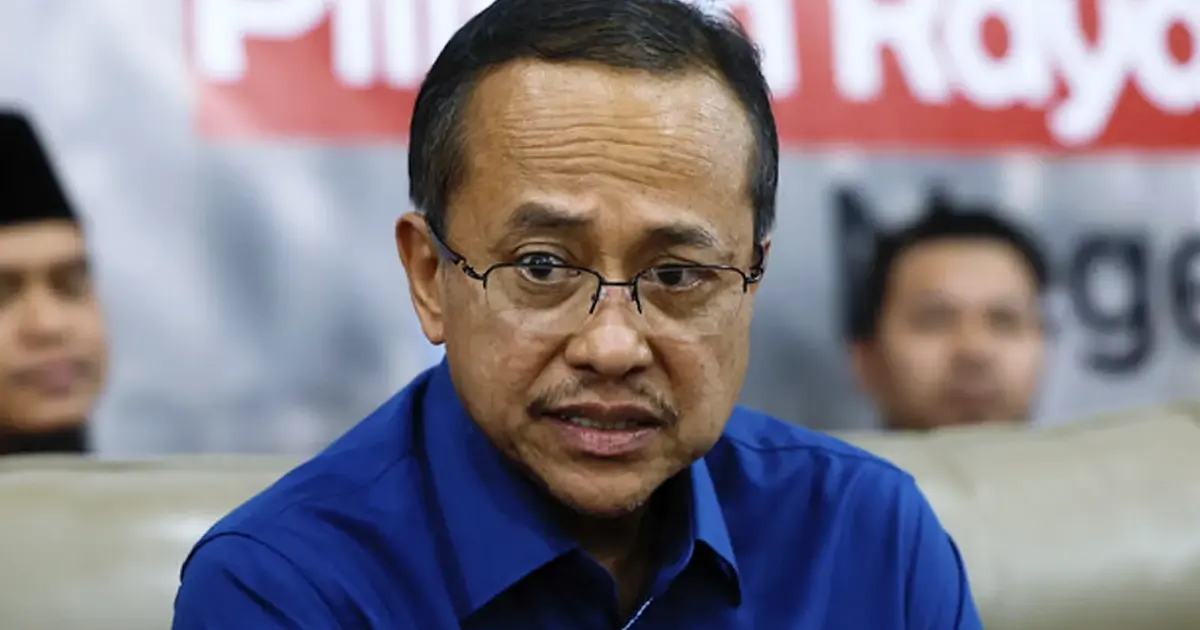
Perikatan Nasional's leadership has moved to dispel voter confusion following the decision to allow both PAS and Bersatu to campaign under the coalition's shared logo in forthcoming elections. Coalition chairman Samsuri issued the reassurance by emphasising that the two parties operate within distinct electoral territories, thereby avoiding direct competition for voter support in individual constituencies.
The dual-branding arrangement reflects the pragmatic realities of Malaysia's coalition politics, where multiple parties must balance unified messaging with maintaining separate organisational identities. By using a common logo across campaign materials, Perikatan Nasional seeks to present a consolidated political front while enabling its constituent parties to retain their individual brands and policy platforms. This approach has become standard practice among major Malaysian coalitions, though it occasionally generates questions among voters unfamiliar with the intricate hierarchies of party alliances.
Samsuri's clarification addresses a legitimate concern that voters might struggle to differentiate between PAS and Bersatu candidates in electoral contests, potentially leading to spoiled votes or misaligned ballot choices. However, the chairman's explanation that the parties do not directly contest the same seats suggests a predetermined division of electoral labour within Perikatan Nasional's broader strategy. This seat-sharing agreement is a critical component of coalition mechanics, allowing partner parties to maximise their collective parliamentary representation without diluting voter support through internal competition.
The logo-sharing decision carries particular significance given the distinct geographical and demographic bases that traditionally support PAS and Bersatu. PAS maintains deep roots in rural and semi-urban areas, particularly across the northern states and the east coast, where its Islamic messaging resonates strongly with conservative voter populations. Bersatu, conversely, has cultivated support across different regional demographics since its formation, drawing voters from both urban and suburban constituencies who respond to its positioning on issues of governance and economic management.
For Malaysian voters, especially those in states where Perikatan Nasional contests, understanding the relationship between these coalition logos will remain important during election campaigns. The shared visual identity serves to amplify the message that voters are choosing between different national coalitions rather than individual parties, which aligns with how electoral contests are typically framed in Malaysia's broader political discourse. This framing can influence turnout and voter behaviour by emphasising coalition-level rather than party-level competition.
The arrangement also reflects broader lessons from Malaysia's recent electoral history. The 2022 general election demonstrated that coalition identity often matters as much as individual party brands when voters make electoral decisions. By projecting a unified image while maintaining operational separation, Perikatan Nasional can appeal to voters who support the coalition's overall direction without requiring them to have strong individual preferences for either PAS or Bersatu. This is particularly valuable in swing constituencies where coalition perception shapes electoral outcomes.
Samsuri's intervention suggests that Perikatan Nasional's leadership is alert to potential voter confusion and is taking proactive steps to manage communication around its internal structure. Such clarifications are standard practice before major electoral contests and reflect the coalition's experience managing multiple-party dynamics. The chairman's willingness to address the issue publicly demonstrates institutional confidence in the coalition's seat-sharing arrangements and the parties' mutual commitment to avoiding direct confrontation.
The practical implications of this logo arrangement extend beyond mere symbolic concerns. Campaign budgets, media strategy, and volunteer mobilisation are all shaped by whether a party operates under its own brand or within a coalition framework. By allowing both PAS and Bersatu to use the Perikatan Nasional logo, the coalition enables more efficient allocation of resources and creates opportunities for cross-party campaign coordination in constituencies where one partner may have stronger ground organisation or volunteer networks.
For Southeast Asia more broadly, Malaysia's experience with managing multi-party coalitions offers relevant insights as other regional democracies grapple with increasingly fragmented party systems. The question of how parties project unified identity while maintaining distinct organisational structures affects electoral competitiveness and voter satisfaction across the region. Malaysia's approach, while sometimes creating confusion, has generally enabled coalition formation to occur in ways that preserve democratic choice and competitive elections.
Looking forward, the success of the shared logo arrangement will depend significantly on how effectively PAS and Bersatu can maintain distinct campaign messaging despite unified branding. Voters will ultimately evaluate each party separately on policy and performance grounds, regardless of shared logos. Samsuri's assurance that seat arrangements prevent confusion should be tested during actual campaign seasons, when voter questions about party differences and coalition cohesion inevitably surface. The proof of his claims will emerge through how voters experience the election campaign in constituencies where these parties contest.

