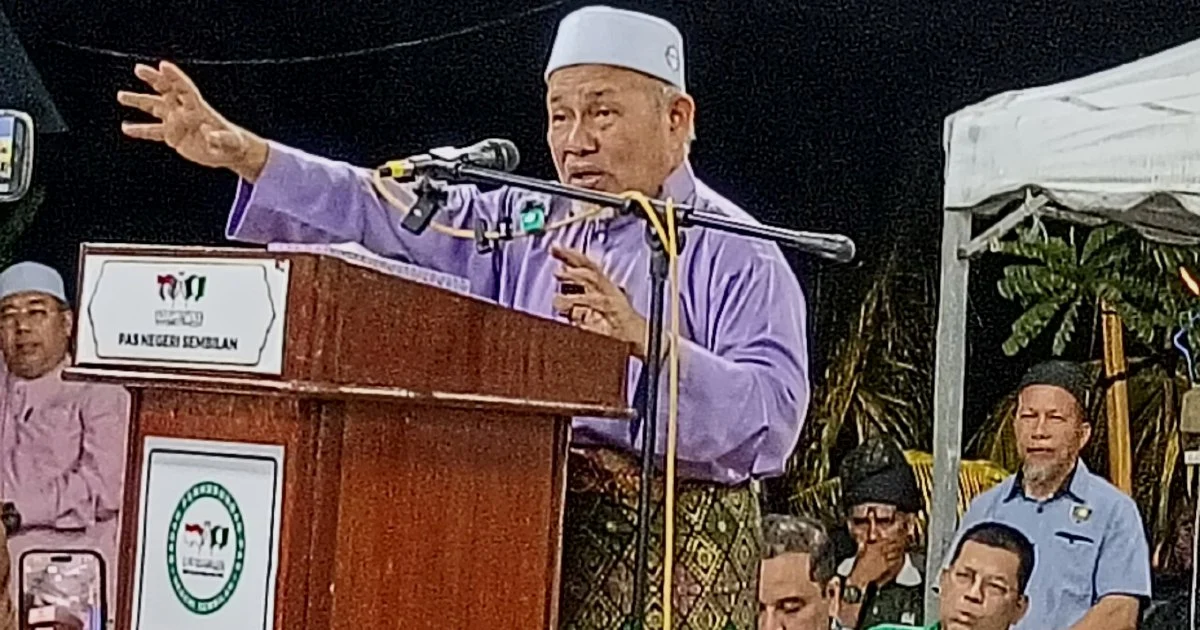
The simmering dispute over Perikatan Nasional's leadership structure has intensified, with PAS deputy president Datuk Seri Tuan Ibrahim Tuan Man publicly rejecting suggestions that the coalition operates under single-party dominance. Speaking in Kuala Lumpur, Tuan Ibrahim stressed that PN functions as a genuinely collective entity where decision-making authority is distributed evenly among all affiliated organisations rather than concentrated within Bersatu's hands.
This statement represents a direct rebuttal to recent accusations from internal coalition quarters, including apparent criticism from Perikatan officials who had suggested otherwise. The clarification signals potential tensions within PN's operational framework, a coalition that has become increasingly central to Malaysian politics following the 2022 election landscape shift. By publicly asserting joint ownership, Tuan Ibrahim appears intent on establishing clear governance expectations and preventing any single party from leveraging disproportionate influence.
The PAS position carries considerable weight given the party's substantial parliamentary representation and its foundational role in PN's architecture. As one of the coalition's three primary anchors alongside Bersatu and the Malaysian United Indigenous Party, PAS maintains significant leverage over strategic decisions affecting the entire alliance. This statement effectively signals that PAS, which commands a substantial bloc of seats in the Dewan Rakyat, will not passively accept arrangements that diminish its voice in coalition matters.
The ownership question extends beyond mere symbolism. Control over coalition dynamics directly influences candidate selection, resource allocation, policy positioning, and negotiating power with the government. A coalition dominated by one party could theoretically sideline other members' interests or impose decisions without meaningful consultation. Tuan Ibrahim's intervention suggests PAS views such concentration of power as a threat requiring immediate correction through public reassertion of collective governance principles.
Context matters considerably here. Bersatu, despite being the smallest component by parliamentary seats, has occupied a disproportionately prominent political position since the 2020 political realignment. The party's chairman chairs the coalition and commands significant media attention. This visibility, coupled with its government participation through the Perikatan administration in Kedah and various political manoeuvres, may have created an impression of Bersatu ownership that other partners find increasingly troubling.
The timing of Tuan Ibrahim's statement suggests deliberate calculation. By addressing the matter publicly rather than through private coalition channels, PAS leadership is signalling that ambiguity on this fundamental point cannot continue. Such openness about internal disagreements typically occurs when private negotiations have yielded insufficient resolution, or when a partner feels its concerns are being dismissed or minimised.
For Malaysian political observers, this episode reveals the inherent challenges in maintaining multi-party coalitions without clear constitutional frameworks governing internal relations. Unlike Barisan Nasional's deeply institutionalised structures developed over decades, PN remains relatively young and informal. The absence of detailed governance documents addressing ownership rights, decision-making procedures, and dispute resolution mechanisms creates space for the current disagreement.
The implications extend to PN's political viability and electoral prospects. A coalition perceived as dominated by one faction may struggle to attract additional partners or retain existing members' enthusiasm. Political actors naturally prefer alignments offering meaningful participation and genuine influence over their collective enterprise. PAS's public intervention thus serves a stabilising function by reasserting partnership equality and demonstrating commitment to inclusive governance.
Bersatu's response to these assertions will likely determine whether PN's internal dynamics stabilise or deteriorate further. Acceptance of collective ownership principles would reinforce the coalition's legitimacy. Resistance or attempts to reassert dominance might trigger further fragmentation or defections. The coming weeks will reveal whether this dispute reflects temporary organisational friction or signals deeper incompatibilities between partners.
For Malaysia's broader political landscape, the health of PN matters substantially. The coalition represents a significant parliamentary force and potential future governing option. Internal clarity about ownership and governance strengthens PN's credibility with voters and potential coalition partners. Conversely, public disputes about fundamental matters like party ownership undermine confidence and invite criticism from rival political fronts seeking to exploit perceived weakness.
Tuan Ibrahim's intervention ultimately reinforces a crucial political principle: sustainable coalitions require partners to acknowledge each other's legitimate stake in collective enterprises. Whether PN partners can genuinely operate on such equitable footing, or whether structural imbalances will continue generating friction, remains to be seen. The coming months will clarify whether this statement resolves the matter or merely marks an escalation in an ongoing power struggle.