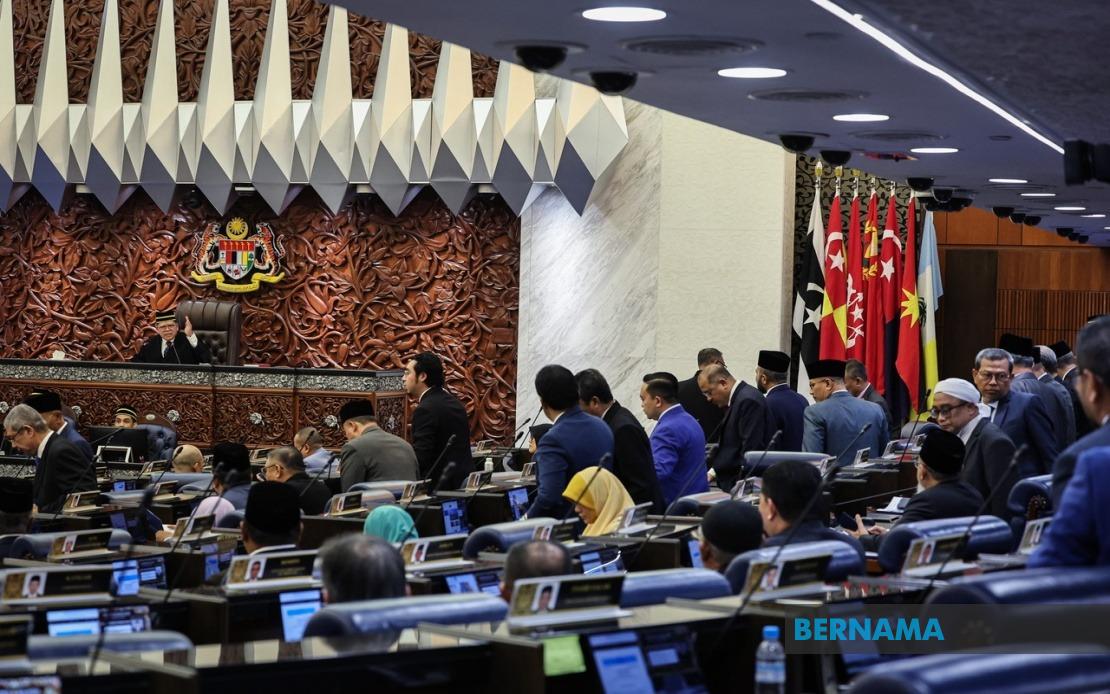
A senior figure in the Prime Minister's office has pushed back against opposition attempts to undermine parliamentary deliberations on the Royal Commission of Inquiry findings into Tabung Haji, the pilgrimage savings institution that manages funds for millions of Malaysian Muslims. Tengku Datuk Seri Zafrul Tengku Abdul Aziz, the Senior Political Adviser to the Prime Minister, made clear that the chief executive's non-attendance at the special sitting of parliament should not become a pretext for lawmakers to avoid engaging with one of the country's most significant issues affecting Muslim economic welfare.
The controversy erupted during a dedicated Dewan Rakyat session convened to discuss the 211-page RCI report into TH's management and operations spanning 2014 to 2020. The report, released publicly on July 29 following cabinet approval, contained findings on governance failures and operational issues at the institution. However, rather than participate in what represented a rare opportunity for detailed parliamentary scrutiny of the findings, several opposition members staged a coordinated departure from the chamber. This action drew immediate criticism from government figures who viewed it as a deliberate abdication of parliamentary responsibility.
Among those who walked out were prominent Perikatan Nasional figures including Opposition Leader Datuk Seri Hamzah Zainudin, PN chief whip Datuk Seri Takiyuddin Hassan, and PN chairman Datuk Seri Dr Samsuri Mokhtar. Their departure during Dr Zulkifli Hasan's tabling of the report signalled a boycott of the proceedings and prevented them from questioning government witnesses or raising concerns about the RCI's conclusions. The timing and coordinated nature of the walkout suggested a strategic political decision rather than a spontaneous response to parliamentary procedure.
Tengku Zafrul's response, delivered through social media, reframed the debate in terms of institutional responsibility and democratic norms. He posed a rhetorical challenge to the departing MPs: if the Prime Minister's absence were truly the reason for their withdrawal, did that logically mean that parliamentary scrutiny should be suspended whenever the chief executive was unavailable? The question highlighted what he viewed as the problematic reasoning behind the opposition's action, suggesting it prioritised political theatre over substantive governance.
Crucially, Tengku Zafrul emphasised that the parliamentary discussion transcended partisan considerations. The funds under scrutiny represented the accumulated savings of ordinary Malaysians from diverse socioeconomic backgrounds, though particularly important to the Muslim community for whom pilgrimage funding forms a significant purpose. The RCI's findings into mismanagement and operational failures during the 2014-2020 period therefore carried implications far beyond normal parliamentary politics. Affected savers deserved assurance that their representatives in parliament were actively examining what went wrong and how accountability would be enforced.
The adviser articulated a vision of constructive parliamentary opposition that his critique suggested the PN MPs had abandoned. He explicitly welcomed vigorous questioning, robust debate, and fact-based criticism of government actions. Parliamentary disagreement, he argued, was not merely acceptable but essential to democratic functioning. However, such engagement required presence in the chamber, engagement with evidence, and deployment of substantive arguments rather than symbolic gestures of non-participation.
Contextually, the TH issue represents one of the most consequential scandals in recent Malaysian financial history, particularly when considering its implications for the Muslim community and Malay-Muslim economic interests. The scale of potential losses and the number of affected individuals elevate parliamentary scrutiny well beyond routine legislative business. The RCI process itself, running from late 2021 through to its public release, had consumed considerable institutional resources and political capital. The special sitting represented the culmination of investigative work and offered lawmakers their primary opportunity to probe findings, question witnesses, and debate remedial measures.
The government's decision to make the RCI report public represented a commitment to transparency that opposition parties had previously advocated. The opposition's response—through parliamentary walkout rather than forensic questioning—appeared inconsistent with earlier demands for accountability and public disclosure. Critics could reasonably argue that having secured public release of the report, opposition MPs should have leveraged the parliamentary platform to expose continued failings or challenge official interpretations rather than vacate the chamber.
Tengku Zafrul's framing also carried implications for how Malaysian society evaluates parliamentary conduct during this period of political volatility. Coalition governments and opposition coalitions have alternated in the decades since 1998, and institutional practices established now could influence parliamentary behaviour during future transitions. If selective participation in parliamentary business became normalised—where attendance depended on the presence of particular ministers or the political convenience of engagement—legislative oversight could systematically deteriorate.
The debate also touches on questions of institutional respect and democratic maturity. Parliament, despite its flaws and partisan contestations, remains the primary forum through which citizens hold governments accountable. Decisions by elected representatives to abstain from parliamentary debate, particularly on matters of significant public concern, represent implicit statements about the value and legitimacy of legislative processes. For the opposition, such gestures may generate short-term political satisfaction but potentially undermine the institutional frameworks that protect minority rights and enable scrutiny of executive power.
Looking forward, the government's handling of TH reforms, the implementation of RCI recommendations, and the broader accountability measures will determine whether the parliamentary discussion itself yields substantive outcomes. Opposition parties will have subsequent opportunities to scrutinise implementation during budget debates, parliamentary questions, and future legislative proceedings. However, their absence from the initial RCI debate—the moment when detailed examination should prove most intensive—sacrificed immediate influence over the parliamentary record and public understanding of the issues.

