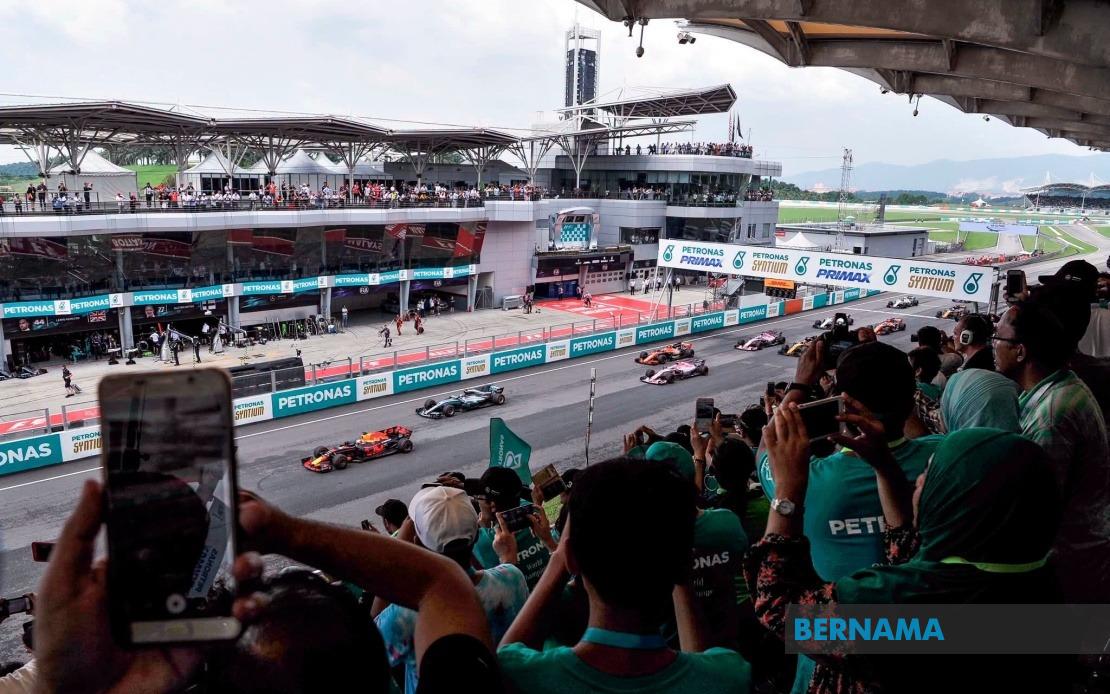
Prime Minister Datuk Seri Anwar Ibrahim has unveiled a ticket subsidy programme designed to bring Formula 1 racing back within reach of ordinary Malaysians, announcing MADANI Tickets starting at RM200 for citizens holding MyKad identification. The initiative grants exclusive access to the Gulf Air Bahrain Grand Prix scheduled for October 2-4, 2026, at the Sepang International Circuit, marking a significant moment in Malaysia's automotive racing calendar after nearly a decade away from the sport's global stage.
The government's decision to introduce subsidised entry represents a deliberate effort to democratise access to one of motorsport's most prestigious events. By negotiating with Bahrain to permit specially-priced tickets exclusively for Malaysian residents, the administration aims to ensure that financial constraints do not prevent citizens from experiencing the spectacle of Formula 1 racing. The RM200 base price contrasts sharply with typical international Grand Prix ticketing, which routinely exceeds several hundred to thousands of ringgit, particularly for premium viewing areas or multi-day passes.
Anwar's announcement confirmed that these MADANI Tickets would grant holders full three-day event access, substantially increasing their value proposition. The three-day package structure allows spectators to experience practice sessions, qualifying rounds, and the main race, providing a comprehensive immersion into the Formula 1 weekend rather than relegating local fans to single-day attendance. This approach echoes government policies emphasising inclusive access to national experiences and economic opportunities.
The Bahrain Grand Prix's relocation to Sepang represents an outcome of extensive diplomatic engagement between Malaysian and Bahraini authorities. Originally scheduled for April at the Bahrain International Circuit, the race was postponed to October following escalating geopolitical tensions across West Asia. Malaysia's successful negotiation to host the event demonstrates renewed confidence in the nation's motorsport infrastructure and positioning as a regional hub for major sporting events.
Sepang International Circuit, which hosted Malaysia's own Grand Prix continuously from 1999 through 2017, represents the natural venue for international Formula 1 competition within Southeast Asia. The facility's withdrawal from the F1 calendar resulted from escalating operational costs and licensing fees that rendered the event economically unsustainable for previous administrations. Welcoming the Bahrain Grand Prix provides an opportunity to reactivate the circuit's world-class facilities whilst circumventing the financial commitments that led to Malaysia's earlier exit from the calendar.
The circuit's return to Formula 1 prominence carries implications extending beyond motorsport entertainment. The event will generate significant economic activity through tourism, hospitality, transportation, and merchandise sectors. International visitors accompanying the Formula 1 travelling circus inject spending into Malaysia's service economy, whilst local employment opportunities emerge in event management, security, catering, and logistics. For Sepang's surrounding communities, such international events historically catalyse infrastructure improvements and service sector development.
Anwar's framing of the MADANI Ticket initiative within his broader governance narrative reflects the administration's emphasis on citizen-centric policymaking. The MADANI framework, announced as the government's strategic direction, prioritises prosperity, inclusivity, and sustainability. Extending affordable access to global sporting spectacles aligns with messaging around inclusive economic participation and ensuring that development benefits permeate society broadly rather than concentrating among elite segments.
The subsidy mechanism, whilst generous by regional standards, raises practical questions about implementation and allocation. Sepang International Circuit's capacity constraints mean that even with thousands of MADANI Tickets available, demand will substantially exceed supply. The government has yet to announce distribution methodology, whether through ballots, first-come-first-served purchasing, or allocation through community organisations and employers. Transparent allocation procedures will prove essential to preventing perception of favouritism or corruption.
Regionally, Malaysia's re-entry into Formula 1 hosting carries competitive implications for neighbouring countries pursuing similar aspirations. Singapore's Marina Bay Street Circuit remains Southeast Asia's premier Formula 1 venue, having hosted annual races since 2008. Thailand and Vietnam have pursued F1 opportunities periodically without securing permanent calendar positions. Malaysia's successful negotiation to host the Bahrain Grand Prix signals renewed regional importance and suggests that with appropriate political will and financial commitment, Southeast Asian nations can sustain world-class motorsport events.
The October timing also positions Malaysia to leverage regional motorsport interest following the Thailand race typically held in September. Formula 1 enthusiasts across Southeast Asia might organise regional trips combining consecutive Grand Prix experiences, benefiting Malaysian tourism industries. Hotels, restaurants, and entertainment venues throughout the Klang Valley region stand to gain from concentrated international visitor arrivals during the October weekend.
Further details regarding MADANI Ticket availability, purchasing mechanisms, and exact pricing tiers await announcement by Sepang International Circuit management. The circuit has committed to releasing comprehensive information shortly, which will clarify whether the RM200 entry point applies to general admission or specific grandstand categories. Premium seating locations, hospitality packages, and camping or accommodation bundles typically command substantially higher costs even with government subsidies.
For Malaysian motorsport enthusiasts and casual sporting fans alike, the return of Formula 1 to Sepang represents opportunity finally crystallised after years of absence. The MADANI Ticket programme removes financial barriers that would otherwise have confined attendance to affluent segments, embodying principles of inclusive national development. As details emerge regarding registration and distribution, millions of MyKad holders will assess whether securing tickets to experience world-class motorsport at their national circuit represents an opportunity worth pursuing.

