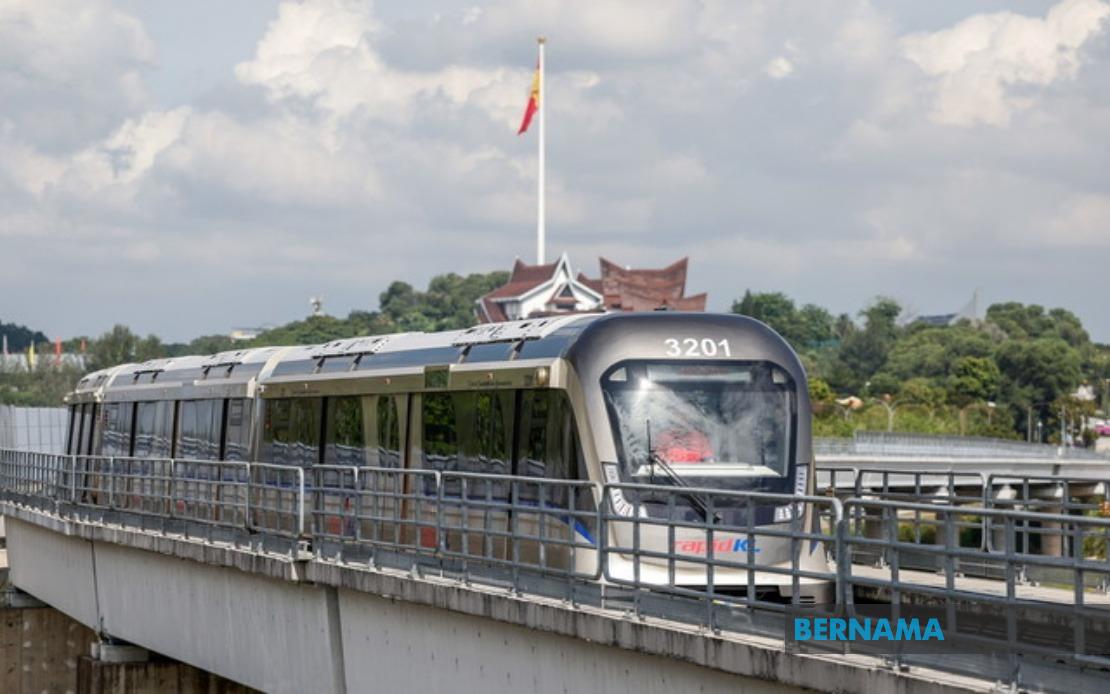
Prime Minister Datuk Seri Anwar Ibrahim will preside over the official launch of the Light Rail Transit 3 Shah Alam Line on Sunday, June 28, marking a significant milestone for public transportation in the Klang Valley. The 37.8-kilometre rail corridor, stretching from Bandar Utama to Johan Setia, has completed construction and undergone testing to ensure operational readiness. During the ceremonial opening, the Prime Minister is expected to announce the specific date and time when commercial operations will commence, allowing commuters to begin using the service for their daily travel needs.
According to Shah Alam line chief Mohd Ariffin Idris, the new transit route will directly benefit approximately two million residents distributed across the service corridor. The line encompasses 20 stations, thoughtfully positioned to serve established residential areas and emerging commercial districts throughout Shah Alam and the surrounding Klang Valley municipalities. These stations include major stops at Bandar Utama, Stadium Shah Alam, and Johan Setia, alongside intermediate stations designed to capture demand from diverse communities and facilitate better urban connectivity.
The infrastructure design prioritises seamless integration with existing rail networks to maximise the overall utility of Malaysia's public transport system. Commuters will enjoy straightforward transfers to the Kajang Line at Bandar Utama station, allowing residents from eastern suburbs to reach the western corridor without navigating complex interchange procedures. Similarly, the connection at Glenmarie 2 to the Kelana Jaya Line enables passengers from the northern Petaling Jaya and Kuala Lumpur areas to access Shah Alam destinations directly, reducing journey times and improving travel efficiency across the metropolitan region.
Comprehensive feeder networks have been established to address the critical last-mile challenge that often limits rail transit usage. Prasarana has deployed 40 feeder buses across 13 distinct routes serving 323 stops, with remarkably affordable fares set at just RM1 per journey. Additionally, a network of 44 rapid on-demand vans will service 20 zones at RM2 per trip, providing flexible connections during operating hours from 6 am to 11:30 pm. These complementary services are specifically designed to collect passengers from residential areas not directly adjacent to stations and deliver them to transit points, substantially expanding the catchment area beyond the immediate station neighbourhoods.
Parking infrastructure has been strategically distributed across six stations to accommodate motorists who prefer to drive partway before using rail transit. The facilities provide a combined capacity of 2,300 bays at Kayu Ara, Damansara Idaman, Pasar Besar Klang, Sri Andalas, Bandar Bukit Tinggi, and Johan Setia stations. This park-and-ride approach recognises that many suburban residents lack convenient walking access to stations and may require personal vehicles to reach transit points, thereby incorporating multimodal journey patterns into the network's design philosophy.
Prasarana has established ambitious yet realistic ridership projections based on demographic analysis and travel pattern studies. The operator anticipates attracting 67,000 daily passengers throughout the inaugural year of operations, with this figure expected to grow substantially to 117,708 passengers per day within a five-year timeframe. These projections reflect confidence in the service's ability to displace private vehicle usage and capture shifting commuter preferences toward rail-based mobility. The growth trajectory assumes gradual market penetration as awareness spreads, feeder services optimise their operations, and commuters develop new travel habits favouring the convenience of rail transit.
Environmental sustainability has been embedded throughout the project's specifications, reflecting Malaysia's commitment to reducing transport-sector carbon emissions. The light rail vehicles incorporate inverter-based air conditioning systems that operate more efficiently than conventional designs, significantly lowering energy consumption during daily operations. The stations themselves have been engineered with passive climate control principles, featuring architectural designs that maximise natural ventilation and daylight penetration, thereby minimising reliance on mechanical cooling and artificial lighting throughout operating hours. These green features contribute to lower operational costs while reducing the environmental footprint of moving the anticipated millions of passengers annually.
Accessibility and inclusivity have been treated as fundamental design requirements rather than afterthoughts. Every station has been equipped with wheelchair ramps and disability-compliant toilet facilities, ensuring that mobility-impaired passengers can navigate the system independently. Each rail carriage provides reserved seating designated specifically for persons with disabilities, reflecting a commitment to dignified access for all social groups. This inclusive approach recognises that public transit systems serve diverse populations with varying mobility needs, and that barrier-free design benefits not only disabled passengers but also parents with prams, elderly commuters, and persons travelling with luggage.
The project remains dynamic, with future expansion phases already scheduled for implementation. Five additional stations identified for reconstruction—Tropicana, Raja Muda, Temasya, Bukit Raja, and Bandar Botanik—are slated to begin work by year's end, indicating that the authority is committed to extending the network's reach and enhancing connectivity to emerging developments. These future stages will require sustained investment and project management but promise to bring rail transit benefits to additional residential communities currently underserved by public transport options.
The LRT3 Shah Alam Line represents a substantial investment in public transport infrastructure that reflects broader trends across Southeast Asia toward reducing urban congestion and improving air quality. For Malaysian commuters, particularly those residing in the sprawling Shah Alam and Klang Valley regions, the new line offers a tangible alternative to exhausting daily traffic congestion on increasingly saturated highways. The integration with existing networks, comprehensive feeder services, and inclusive design philosophy position this project as a model for how rapid transit systems can be optimised to serve diverse urban populations. As commercial operations commence, the system's actual performance against projections will provide valuable benchmarks for planning future transit expansions across Malaysia's major metropolitan areas.

