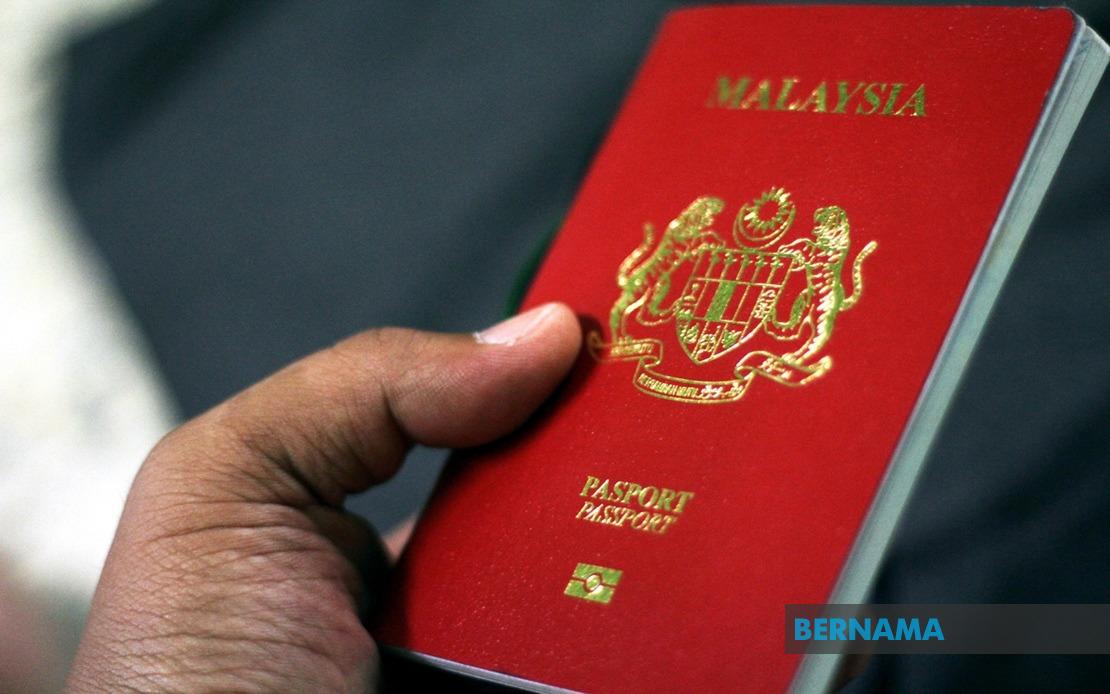
Prime Minister Datuk Seri Anwar Ibrahim will unveil a substantially redesigned Malaysian International Passport tomorrow at Parliament, marking a significant advancement in the nation's efforts to combat document fraud and protect citizen identity security. The new iteration incorporates 94 distinct security mechanisms, substantially exceeding the 49 features embedded in the current version and reflecting Malaysia's commitment to maintaining one of the world's most resilient travel documents.
The upgrade represents a strategic government response to evolving threats in document counterfeiting and identity theft. By nearly doubling the number of integrated security features, Malaysian authorities aim to set a new benchmark for passport protection across the region and internationally. The decision to prioritise these enhancements aligns with Malaysia's demonstrated ability to rank among the globe's most trusted identity credentials, a status that carries significant implications for Malaysian citizens' global mobility and the nation's standing in international security frameworks.
The technical innovations embedded in the redesigned passport showcase Malaysia's investment in cutting-edge security technology. The document now incorporates advanced holographic components that respond dynamically to light and viewing angles, making replication exponentially more difficult for potential counterfeiters. Ultraviolet printing techniques render invisible security elements visible only under specific lighting conditions, adding a forensic layer that officials and border authorities can verify during document inspection. These visual enhancements work in concert with hidden design elements that remain imperceptible to casual observation, requiring specialist training and equipment to authenticate.
Beyond surface-level visual protections, the new passport features sophisticated forensic security elements designed to withstand laboratory-level scrutiny. The binding thread that holds the passport booklet together has been fundamentally redesigned with embedded security properties, transforming what was once a basic structural component into an active deterrent against tampering and replacement. Each individual page now features a distinctive layout pattern, preventing criminals from simply photocopying or digitally replicating interior pages—a common vector for document fraud that previous iterations proved vulnerable to.
This initiative forms part of a broader government strategy announced earlier in 2025 by Home Minister Datuk Seri Saifuddin Nasution Ismail to comprehensively overhaul Malaysia's identity document ecosystem. The portfolio extends beyond passports to encompass simultaneous upgrades to the MyKad national identity card, signalling a coordinated approach to safeguarding citizens' critical identification instruments. Such comprehensive modernisation reflects recognition that identity security operates as an integrated system, where gaps in any single document can undermine the entire framework.
Malaysia's positioning within the global Passport Index rankings underscores the significance of maintaining competitive security standards. The Malaysian International Passport's ranking as the world's third most powerful passport in 2025 reflects not merely travel privileges but also the confidence international authorities place in the document's authenticity and the Malaysian government's stewardship of identity security. This ranking carries implications beyond tourism and business travel, affecting Malaysia's diplomatic standing and the ability of its citizens to access visa-free or visa-on-arrival privileges across more than 190 countries and territories.
For ordinary Malaysian citizens, the practical consequences of this upgrade may seem abstract, yet they carry tangible benefits. Enhanced security features reduce the likelihood that legitimate Malaysian passports will be rejected as fraudulent by immigration officials worldwide, a persistent frustration for travellers whose documents have been scrutinised with undue suspicion. Conversely, the strengthened barriers against counterfeiting protect the integrity of Malaysia's identity system, preventing criminals from exploiting fraudulent Malaysian passports that could damage the nation's reputation and potentially trigger enhanced security requirements for all Malaysian travellers.
The security enhancements also address regional concerns about document fraud networks that operate across Southeast Asia. Transnational criminal organisations have increasingly focused on identity document counterfeiting as a revenue stream, with forged or altered passports facilitating human trafficking, money laundering, and other serious crimes. By making Malaysian passports significantly harder to forge, the government reduces their attractiveness to criminal networks and indirectly strengthens regional security cooperation, as neighbouring countries face fewer fraudulent Malaysian documents entering their immigration systems.
The parliamentary setting for the launch carries symbolic weight, signifying government commitment to identity security as a matter of national importance deserving legislative attention. The involvement of the Prime Minister personally underscores the priority assigned to this initiative within the broader national development agenda. Such high-level endorsement sends a signal to international security partners that Malaysia takes its identity document responsibilities seriously, potentially influencing bilateral security assessments and cooperation frameworks.
The timing of the launch also reflects ongoing government responsiveness to emerging security threats. Counterfeiting technology advances continuously, with forgers perpetually developing new techniques to replicate security features. By undertaking comprehensive passport redesigns every several years rather than allowing incremental degradation of security standards, Malaysia maintains technological parity with advanced nations and avoids the costly scenario where accumulated compromises render the entire document platform vulnerable to systematic fraud campaigns.
Looking forward, the introduction of 94 security features establishes a new baseline that competitors within the region will struggle to match, reinforcing Malaysia's reputation for institutional competence in identity management. The integration of multiple complementary security layers—optical, forensic, structural, and design-based—creates a system where compromise of any single feature does not compromise the entire document, reflecting sophisticated understanding of security architecture principles. This multi-layered approach represents best practice in contemporary document security design and positions Malaysia alongside advanced economies in protecting citizen identity.
The upgrade also carries implications for Malaysia's broader digital transformation agenda. As governments worldwide transition toward more digital identity systems, the security foundation established through robust physical documents becomes increasingly important as a backup and verification mechanism. By strengthening the passport—which remains crucial for cross-border travel despite digital innovations—Malaysia ensures that physical and digital identity systems can work in complementary rather than contradictory fashion, maintaining security standards across multiple authentication pathways.

