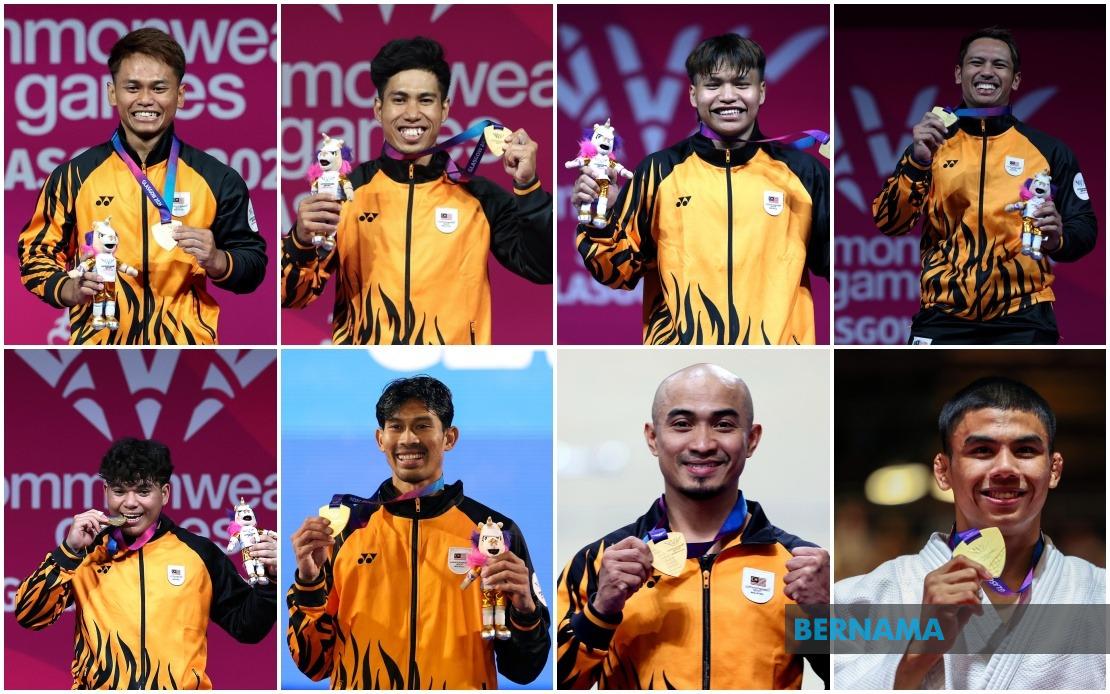
Prime Minister Datuk Seri Anwar Ibrahim has expressed his pride in Malaysia's sporting delegation following the conclusion of competition at the 2026 Glasgow Commonwealth Games, acknowledging their dedication and competitive spirit throughout the two-week international sporting spectacle in Scotland. In remarks posted to social media, the Premier recognised the collective effort demonstrated by athletes across multiple disciplines who represented the nation on the Commonwealth stage.
The Malaysian contingent concluded their campaign in 10th position on the overall medal tally, securing a combined haul of 16 medals across various sporting events. This result reflects the breadth of Malaysia's competitive participation at one of the sporting world's premier multi-sport gatherings, where dozens of nations vie for supremacy across dozens of disciplines ranging from athletics and aquatics to combat sports and racquet games.
Beyond merely acknowledging medal counts and placings, Anwar emphasised the intangible qualities that define success in elite sport. His commendation focused particularly on the fighting spirit and unwavering determination exhibited by athletes, recognising that competitive spirit often matters as much as final outcomes in demonstrating national pride and individual character. Such recognition resonates with Malaysian sporting culture, where perseverance and honour in competition hold significant cultural weight.
The Prime Minister's tribute extended to the entire supporting ecosystem that enables athletic success, rather than limiting praise solely to medal-winning performers. Coaches, technical officials, and support personnel—the often-unseen architects of sporting achievement—received explicit acknowledgment for their instrumental roles in preparing and sustaining the contingent throughout the Games. This holistic approach underscores the reality that elite sporting performance depends upon teamwork extending far beyond the competition arena itself.
Anwar's message also incorporated a spiritual dimension, expressing gratitude to all Malaysians who offered prayers and support for the national team's success. This acknowledgment reflects the deeply rooted practice of spiritual support within Malaysian communities and demonstrates how sporting endeavours transcend purely athletic dimensions to become expressions of collective national identity and shared aspirations. The invocation of Islamic gratitude through "Alhamdulillah" personalises the message within Malaysia's cultural and religious context.
The Glasgow Commonwealth Games represent a significant international platform where developing sporting nations like Malaysia can benchmark their programmes against established powerhouses whilst gaining valuable experience and exposure. A 10th place finish indicates Malaysia's solid standing within the Commonwealth sporting hierarchy, positioning the nation as a mid-tier competitor capable of competing respectably across multiple sporting disciplines. This consistent performance contrasts with occasional dominance in specific sports where Malaysia has traditionally excelled, such as badminton and squash.
The broader context of Malaysia's Commonwealth Games performance carries implications for national sports policy and development strategies. Maintaining competitive standing at major international multi-sport events requires sustained investment in athlete development systems, training facilities, and technical expertise. The government's acknowledgment through the Prime Minister's public commendation signals political commitment to supporting elite sports programmes, an important signal to sports administrators and athletes alike regarding the government's prioritisation of this sector.
For Malaysian sporting personnel and athletes, prime ministerial recognition provides significant motivation and morale boost as they transition from the Glasgow competition cycle toward preparation for subsequent international competitions. Such public endorsement elevates the status of sports and those who dedicate their careers to athletic excellence, potentially inspiring younger generations to pursue sporting pathways and encouraging continued investment in grassroots development programmes that feed into elite athlete pipelines.
The 2026 Glasgow Games also served as a developmental opportunity for emerging Malaysian athletes who may form the core of future Commonwealth and Olympic delegations. Experience gained competing at this calibre of international event accelerates athlete maturation and provides invaluable exposure to world-class competition. The collective learning from Glasgow will inform training and preparation methodologies for upcoming major competitions, including future Commonwealth Games and Olympic cycles.
Anwar's remarks reflect the diplomatic protocol expected of national leaders when acknowledging their countries' participation in major international sporting events. Such statements serve dual purposes: they celebrate athletic achievement whilst reinforcing the government's commitment to national sporting development. In Malaysia's context, where sporting prowess contributes to soft power projection and international standing, ministerial engagement with sporting outcomes carries particular significance.
Looking forward, Malaysia's performance at Glasgow establishes a benchmark against which future results will be measured. The question of whether the nation can build upon this foundation or whether improvement requires substantial structural changes in how Malaysia identifies, develops, and supports elite athletes will likely shape discussions within sports governing bodies in coming years. The Prime Minister's inclusive message—crediting not just athletes but the entire ecosystem supporting them—suggests an understanding that sustained competitive success requires ongoing systemic investment rather than sporadic effort.

