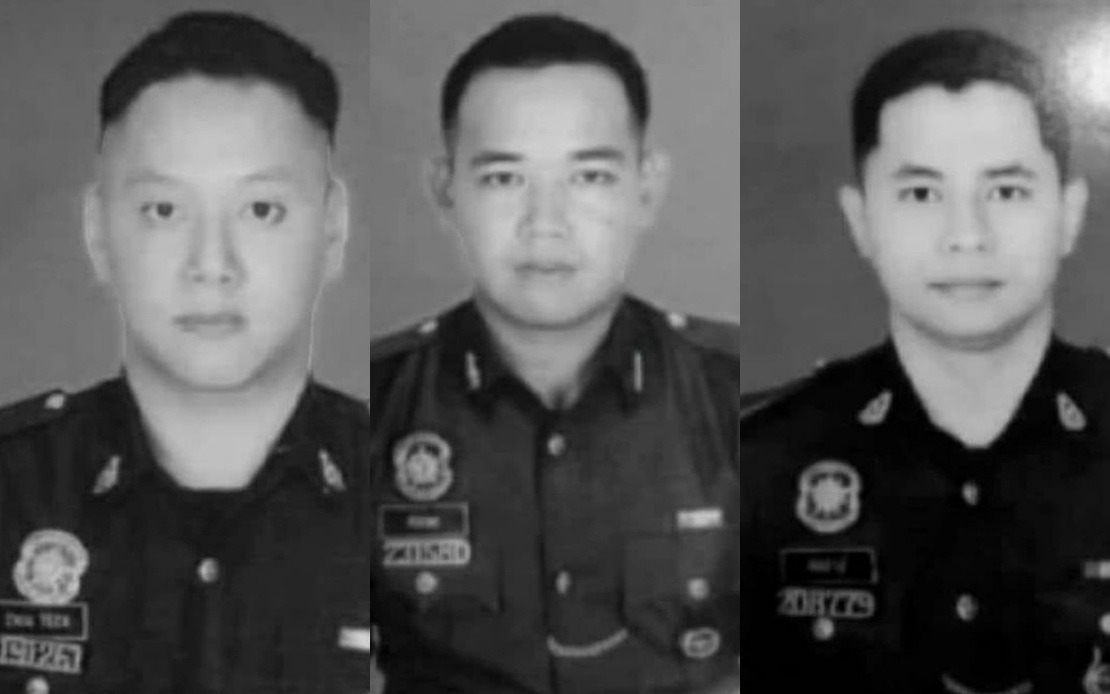
Prime Minister Datuk Seri Anwar Ibrahim has ordered a comprehensive and transparent investigation into the deaths of three Royal Malaysia Police officers who perished in what is believed to be an electrocution incident in Kampung Weston, Beaufort, Sabah. The directive, communicated via social media, underscores the government's commitment to determining the precise circumstances surrounding the tragedy and implementing safeguards to avert similar incidents in the future.
Anwar emphasized the critical importance of establishing the root cause of the fatality, noting that such findings would form the basis for corrective action across relevant agencies. The Prime Minister stated that the investigation must be conducted with urgency while maintaining rigorous procedural standards and full transparency to maintain public confidence in the process. He stressed that preventing recurrence of such tragedies demands not merely an understanding of what went wrong, but concrete institutional reforms and safety protocols.
The three deceased officers have been identified as Chiu Teck Siong, aged 40; Mohamad Nur Hafiz Ibrahim, 29; and Muhammad Raimi Ismarubee, 26. Details obtained from the Sabah Fire and Rescue Department's operations centre indicate all three were on duty at the time of the incident. The loss of three officers in a single incident represents a significant toll on the police force and highlights potential occupational hazards that may not have been adequately addressed in operational procedures.
Anwar extended formal condolences to the families of the victims and to the broader Royal Malaysia Police force, acknowledging the sacrifice these officers made in service to the nation. He recognized their contributions to maintaining public peace and security, emphasizing that their dedication would not be forgotten. This public acknowledgment carries particular weight given Malaysia's hierarchical approach to official mourning, signalling that the incident has registered at the highest levels of government.
The incident gained rapid prominence on social media platforms after video recordings circulated showing the three officers lying on the roadway with bystanders and emergency personnel present at the scene. This viral spread reflects both the tragic nature of the event and contemporary patterns of public information dissemination, where footage often precedes official statements. The visual documentation may prove useful to investigators in establishing a precise timeline and understanding the sequence of events that led to the fatalities.
Electrocution deaths among emergency responders and law enforcement personnel represent a known occupational hazard, though incidents involving multiple fatalities remain comparatively rare in Malaysia. The concentration of three deaths in a single incident suggests either particularly hazardous conditions, equipment malfunction, or a combination of circumstances that overwhelmed standard safety protocols. Investigations into such incidents typically examine equipment condition, weather factors, maintenance records, and whether proper grounding and insulation standards were in place.
The location of the incident in Kampung Weston, a rural settlement in Beaufort district, may introduce additional investigative complexities related to infrastructure standards and maintenance practices in less densely populated areas. Sabah's geographic and administrative characteristics sometimes result in variable implementation of safety standards across different municipalities. The state's diverse terrain and climate patterns also introduce environmental variables that may have contributed to the circumstances leading to electrocution.
For the police force, such investigations carry implications beyond the immediate incident. Findings typically prompt departmental reviews of occupational health and safety protocols, equipment maintenance schedules, training procedures, and operational guidelines for officers working in conditions involving electrical hazards. The results may necessitate investment in improved personal protective equipment, enhanced pre-operation safety briefings, or revised procedures for responding to calls involving electrical infrastructure.
From a broader public perspective, this incident underscores the tangible risks inherent in policing and emergency services work. Malaysia's police force operates across diverse environments and situations where hazards may not be immediately apparent. The government's commitment to transparent investigation signals recognition that public trust in emergency services depends partly on visible accountability mechanisms and demonstrated concern for officer welfare.
The timeline and scope of the investigation will be closely monitored by both the police force and civil society organizations focused on occupational safety. Preliminary findings typically emerge within weeks, though comprehensive investigations may require additional time to examine technical evidence, conduct interviews, and coordinate with relevant municipal or utility authorities. Any recommendations arising from the investigation may subsequently inform broader policy reviews across emergency services.
The incident also raises questions about intersectional vulnerabilities in workplace safety, particularly whether officers from varied backgrounds receive equal quality equipment and training. The three officers represented a cross-section of the force, suggesting that hazard exposure cut across demographic lines. Investigation findings may reveal whether safety protocols were uniformly applied or whether implementation gaps existed that disproportionately affected certain groups.
Sabah's status as an economically developing region with significant infrastructure development projects means that incidents involving electrical hazards warrant particular attention. Construction, maintenance, and upgrading of electrical systems proceed at varying paces across different districts, creating potential for inconsistency in safety standards. The incident in Beaufort may prompt broader reviews of electrical infrastructure safety across the state.
Moving forward, the outcome of this investigation will shape operational procedures and safety culture within the police force for years to come. Anwar's emphasis on preventing repetition reflects understanding that institutional memory and documented lessons from such tragedies serve as safeguards for future officers. The government's visible engagement with the investigation process itself functions as an assurance to families of victims that their loss has prompted systematic review rather than dismissal.

