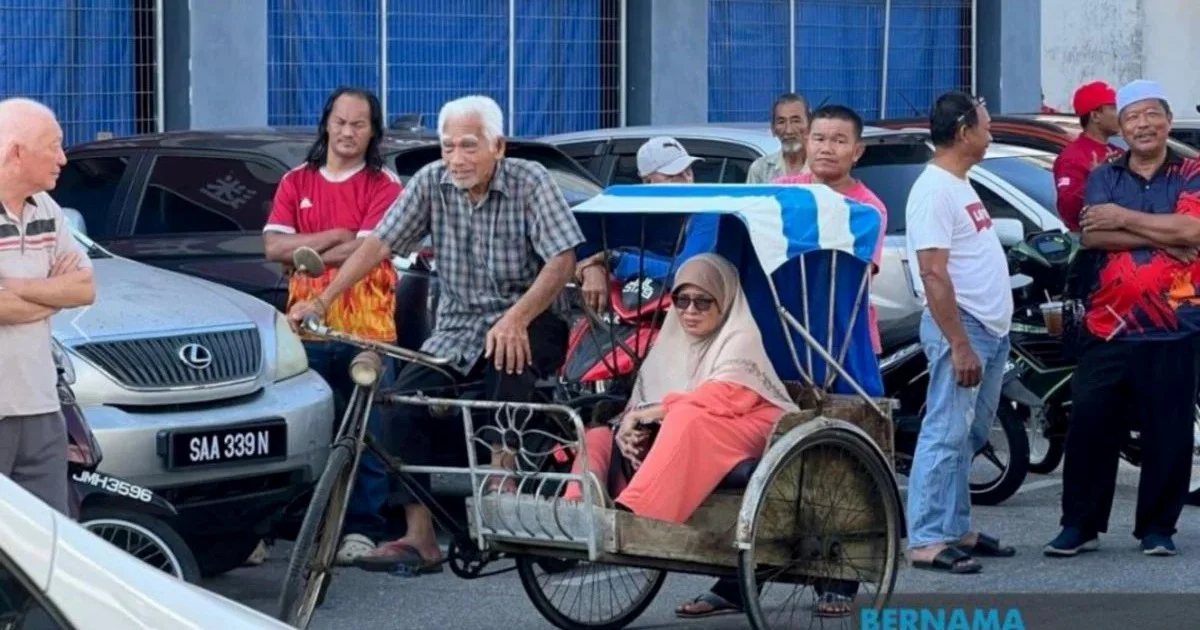
Prime Minister Datuk Seri Anwar Ibrahim has publicly acknowledged the remarkable gesture of an 86-year-old trishaw rider who undertook a determined pedalling journey to grant his wife's cherished wish of meeting Malaysia's leader face-to-face. The elderly man's determination to cover nearly a kilometre on his traditional three-wheeled vehicle has touched the nation's highest office, prompting the Prime Minister to express his sincere gratitude for the devotion displayed.
The encounter represents a poignant moment in Malaysian public life, highlighting the enduring cultural reverence many citizens hold towards their national leadership. For this octogenarian rider, the physical effort required to pedal his trishaw across the distance stood as a testament to his dedication to honouring his wife's wishes. The story carries particular resonance in a nation where traditional forms of transport like trishaws remain deeply embedded in the social fabric, even as modernisation transforms urban landscapes.
Trishaw riding, once a primary means of transportation across Malaysian towns and cities, has gradually diminished as motorised vehicles dominate streets. Yet these colourful vehicles continue to serve as cultural icons, and the riders who operate them often represent a living link to Malaysia's mid-twentieth century heritage. The image of an octogenarian still actively engaged in this labour-intensive work speaks to both the resilience of elderly Malaysians and the economic realities many face in their later years.
Prime Minister Anwar Ibrahim's response to this gesture underscores a leadership approach that values personal connection with citizens from all walks of life. Rather than dismissing the elderly man's effort as unnecessary, the Prime Minister chose to acknowledge and honour the commitment demonstrated. This public recognition serves to validate the experiences of ordinary Malaysians and their aspirations, no matter how modest they might appear in a modern political context.
The wife's desire to see the Prime Minister reflects a broader phenomenon in Malaysian society where political figures hold symbolic importance beyond their administrative roles. For many, particularly older generations, a meeting with national leaders represents a significant moment worthy of considerable personal sacrifice. This generational perspective remains influential despite the prevalence of digital communication and media coverage that provides constant visibility into the lives of public figures.
The physical toll of such an undertaking for an 86-year-old individual cannot be understated. Pedalling a trishaw requires sustained cardiovascular effort, balance, and determination—qualities that this elderly man clearly possessed in abundance. His willingness to endure physical exertion for his wife's happiness speaks to values of devotion and spousal commitment that form cornerstones of Malaysian family culture across diverse communities.
In Malaysia's broader context, stories such as this one demonstrate the persistent human desire for authentic interaction with authority figures, despite technological advances that theoretically render such meetings unnecessary. The trishaw rider's journey, executed through traditional manual effort rather than modern convenience, carries an almost symbolic weight in an era of rapid digital transformation. His actions represent a form of pilgrimage in miniature, undertaken through the streets of Kuala Lumpur with a singular purpose.
The Prime Minister's public gratitude also serves an important political function, reinforcing his accessibility and willingness to acknowledge the contributions and aspirations of ordinary citizens. In Malaysian political culture, such gestures of recognition carry significant meaning and can shape public perception of leadership character. By responding warmly to this elderly man's effort, Anwar Ibrahim demonstrates qualities of approachability and humility that resonate particularly strongly with traditional communities.
For other elderly Malaysians, particularly those in service occupations or facing economic challenges, this encounter may carry inspirational value. It affirms that their efforts and presence matter within the national community, and that recognition can come from unexpected quarters. The incident thus becomes more than a simple human interest story; it reflects broader questions about dignity, work, and the place of elderly citizens within modern Malaysian society.
The trishaw rider's story also invites reflection on how Malaysia honours its living heritage. As these iconic vehicles gradually disappear from urban centres, the riders who operate them face uncertain futures. Stories highlighting their persistence and the cultural value they represent may contribute to broader conversations about preserving traditional occupations and supporting elderly workers who lack adequate pension systems. The Prime Minister's acknowledgment inadvertently spotlights these systemic concerns alongside the personal triumph of one man's dedication to his wife.

