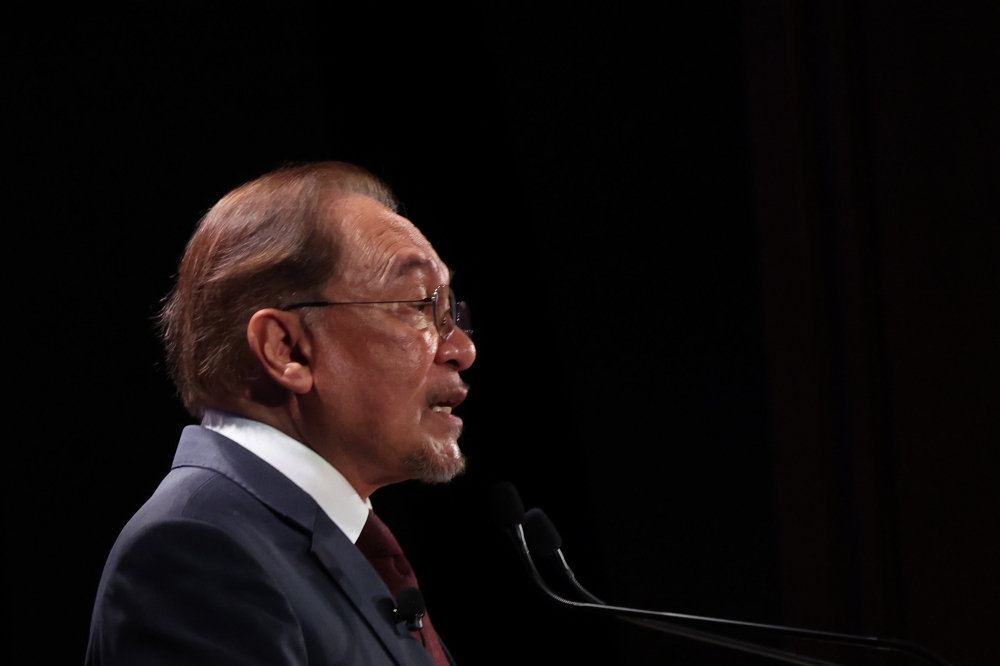
Prime Minister Datuk Seri Anwar Ibrahim has taken legal action by filing a defamation suit against Tuan Ibrahim Samsudin, the deputy president of Parti Islam Se-Malaysia (PAS), over comments alleged to have damaged his personal standing and professional credibility. The court filing marks an escalation in the political tensions that have characterised Malaysia's ruling coalition in recent months, underscoring the deepening fractures within the broader Pakatan Harapan alliance and its complex relationship with PAS, which holds significant parliamentary representation.
The lawsuit represents Anwar's response to statements made by Tuan Ibrahim that the Prime Minister contends were false and made with malicious intent to harm his reputation. Such defamation actions at the highest levels of government are relatively uncommon in Malaysia and typically signal a breakdown in the norms of political discourse that usually restrain public figures from pursuing legal remedies against their rivals. The decision to pursue litigation rather than employ the customary political mechanisms for addressing grievances suggests the depth of animosity underpinning the current dispute.
Tuan Ibrahim Samsudin holds a prominent position within PAS's leadership hierarchy, making him a significant voice in one of Malaysia's largest opposition-aligned parties. His comments, whatever their exact nature, carry considerable weight given his standing within the party and his influence over PAS's direction and messaging. The remarks that prompted this legal action must have crossed what Anwar's legal team considered a threshold of defamation serious enough to warrant judicial intervention, despite the potential political complications of such an action.
The context surrounding this lawsuit is important for understanding Malaysian politics. PAS, despite being part of opposition structures in some contexts, maintains a complex relationship with the current government. The party has previously indicated willingness to work with or against the ruling coalition depending on political circumstances, making it a volatile player in Malaysia's coalition politics. Tensions between Anwar and PAS have periodically surfaced, reflecting ideological differences and competition for political influence and resources.
Defamation cases involving high-ranking political figures often raise questions about free speech and the boundaries of legitimate political criticism in Malaysia. Courts must navigate between protecting individual reputation and preserving the space necessary for robust political debate. Such cases also frequently attract substantial media attention and public scrutiny, as citizens observe how their leaders pursue disputes through legal channels rather than the realm of democratic persuasion and electoral accountability.
The timing of this legal action may carry political significance. The Malaysian political calendar includes various upcoming events and decisions that could be influenced by the broader narrative surrounding Anwar's government and its relationships with key political players. Filing a defamation suit at this juncture may affect public perceptions of both Anwar and PAS, depending on how the case develops and how various stakeholders interpret the underlying dispute.
For Malaysian businesses and the broader economy, political instability arising from tensions between government and significant parliamentary actors creates uncertainty. Investors monitor such disputes closely as indicators of potential governance challenges that could affect policy continuity and implementation. The quality of relations between the Prime Minister's office and major political players influences the government's capacity to advance its legislative agenda and maintain policy coherence.
Regionally, Malaysia's internal political dynamics receive attention from neighbouring countries and international observers interested in the stability of Southeast Asia's largest economy. Disputes at the highest political level, particularly those requiring judicial intervention, may prompt external parties to reconsider the reliability of Malaysian governance and political partnerships. Anwar's government has emphasised stability and inclusive politics as central themes, making high-profile litigation against fellow political leaders potentially complicating for that narrative.
The legal process ahead will likely be lengthy and closely monitored. Malaysian courts handle defamation cases according to established procedures, with the plaintiff required to prove that statements were false, damaging to reputation, and made without justification or privilege. PAS and Tuan Ibrahim will have opportunities to present their defence and contest the allegations made against them. The case may reveal substantial details about the disputed statements through court proceedings and discovery processes.
This suit also raises questions about the broader health of Malaysian democracy and political culture. While legal recourse is available to all citizens, political leaders typically prefer resolving disputes through electoral competition and political negotiation rather than courts. The decision to litigate reflects judgements by Anwar's advisors about the seriousness of the alleged harm and the necessity of judicial remedy, but it also signals a shift away from informal resolution mechanisms that have traditionally characterised Malaysian politics.
The implications for PAS are similarly significant. The party must now respond to allegations through legal channels while maintaining its political positioning ahead of future electoral contests. PAS's response to this litigation and the party's broader strategy in the face of this legal challenge will influence its standing among various voter constituencies and its negotiating position with other political actors.
Government-opposition relations and the dynamics within Malaysia's multiparty system will likely be affected by how this case unfolds. Other political figures will observe the consequences and precedents established through this litigation, potentially influencing how Malaysian politics evolves in coming months. The case represents a test of how the Malaysian legal system manages disputes involving the nation's highest office holders.

