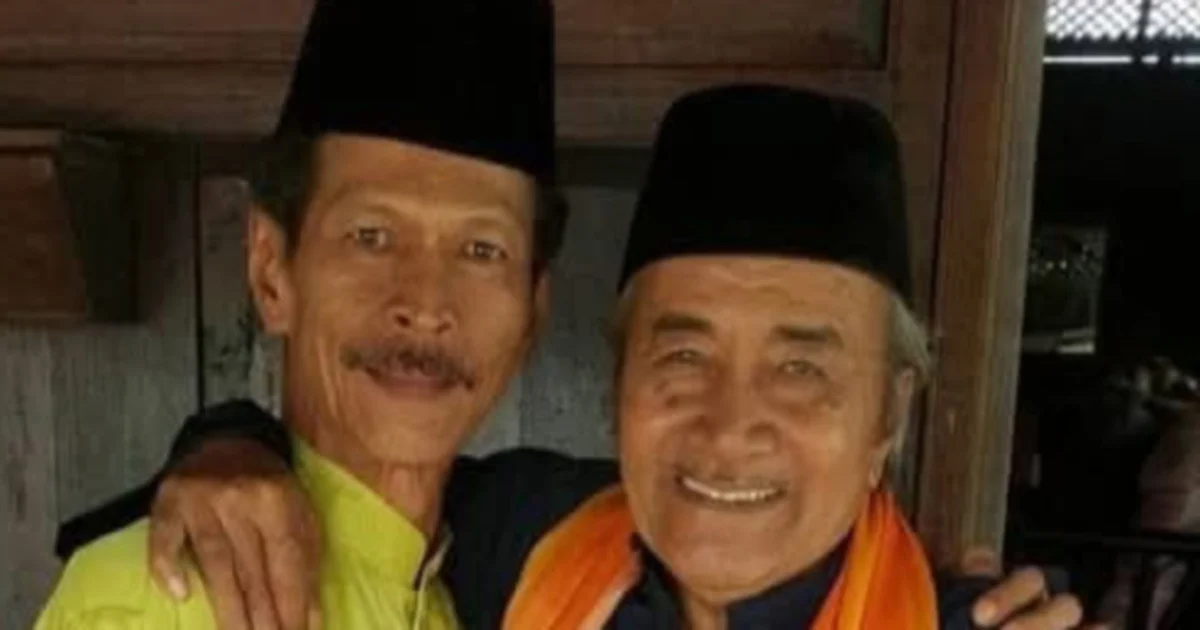
Prime Minister Datuk Seri Anwar Ibrahim has paid tribute to legendary Malaysian actor Rahim Razali as the veteran thespian marks his 87th birthday, underscoring the significance of celebrating those who have shaped the nation's cultural landscape through decades of artistic contribution. The public recognition by the country's top leadership reflects a broader acknowledgment of Malaysia's entertainment heritage and the enduring influence of its pioneering figures in cinema and broadcasting.
Rahim Razali's career spanning multiple decades has positioned him as one of Malaysia's most recognisable and respected screen presences, having left an indelible mark on audiences through both film and television productions. His body of work encompasses the transformative years of Malaysian cinema, a period that witnessed the industry's evolution from its infancy through various technological and cultural shifts. The actor's longevity in an entertainment sector known for its unpredictability demonstrates not merely professional resilience but also an ability to remain relevant across changing audience preferences and production standards.
The Prime Minister's birthday message carries particular weight given Malaysia's ongoing efforts to revive and celebrate its creative industries as strategic economic and cultural pillars. By publicly honouring Rahim Razali, Datuk Seri Anwar Ibrahim reinforces the government's commitment to recognising the contributions of entertainment sector veterans who helped establish Malaysia's soft power on regional and international stages. This acknowledgment arrives at a time when questions about preserving and promoting Malaysian cinema continue to dominate industry discussions.
Rahim Razali's work predates and spans the golden age of Malaysian cinema, periods when local film production commanded significant domestic and regional audiences. His presence in these productions contributed to the creation of shared cultural memories for generations of Malaysians, influencing how the nation's stories were told and how its citizens perceived themselves and their society. The performances of actors like Rahim Razali became touchstones for audiences, their characters and narratives woven into the collective consciousness of a developing nation.
Beyond individual films and television shows, performers of Rahim Razali's stature have served as mentors and role models for successive generations of Malaysian artistes, establishing professional standards and demonstrating the possibilities within the industry. The veteran actor's sustained career has provided a living example of how dedication to one's craft can yield both personal fulfilment and meaningful contributions to national culture. Such examples carry particular importance in creative fields where young professionals often seek guidance beyond formal training.
The recognition by Datuk Seri Anwar Ibrahim also underscores the importance of acknowledging cultural workers and creative professionals whose contributions, while significant, sometimes receive less public attention than other sectors. As Malaysia seeks to strengthen its creative economy and position itself as a regional hub for content production, the visibility of successful, long-serving artistes becomes increasingly valuable. Their presence validates the sector and demonstrates viable career pathways for emerging talent.
Rahim Razali's milestone birthday coincides with ongoing conversations about heritage, preservation, and the documentation of Malaysia's entertainment history. As one of the few remaining figures with direct memories of earlier eras of Malaysian cinema, his continued presence represents an invaluable repository of institutional knowledge and historical context. The stories and experiences of such veterans provide crucial material for researchers, historians, and future filmmakers seeking to understand how Malaysian cinema developed and what circumstances shaped its particular characteristics and achievements.
The generational dimension of celebrating such an achievement extends beyond mere nostalgia. Younger Malaysian artistes and aspiring performers can observe Rahim Razali's trajectory as evidence that sustained creative engagement over decades remains possible and valued. In an industry sometimes perceived as fleeting or precarious, the career arc of established figures helps stabilise perceptions and encourage commitment to artistic development as a viable life path.
The timing of public tributes from national leadership also signals evolving attitudes toward the entertainment sector's place within Malaysian society and governance. Where cultural workers were previously sometimes treated as peripheral to national development priorities, contemporary public acknowledgment from the highest levels of government indicates a shifting understanding of creativity's role in nation-building and international competitiveness. This reframing has implications for how entertainment policies are formulated and resourced at both federal and state levels.
Rahim Razali's 87th birthday celebration by the Prime Minister serves multiple functions simultaneously: it honours an individual whose life has been devoted to entertaining and inspiring Malaysians, it acknowledges the cultural sector's importance, and it sets a marker for how Malaysia values and preserves its artistic heritage. As the nation continues navigating its future, the presence and public recognition of such cultural figures remind Malaysians of their creative legacy and the possibilities inherent in sustained artistic endeavour. The veteran actor's longevity and continuing relevance stand as testament to the enduring power of quality performance and meaningful contribution to one's chosen field.

