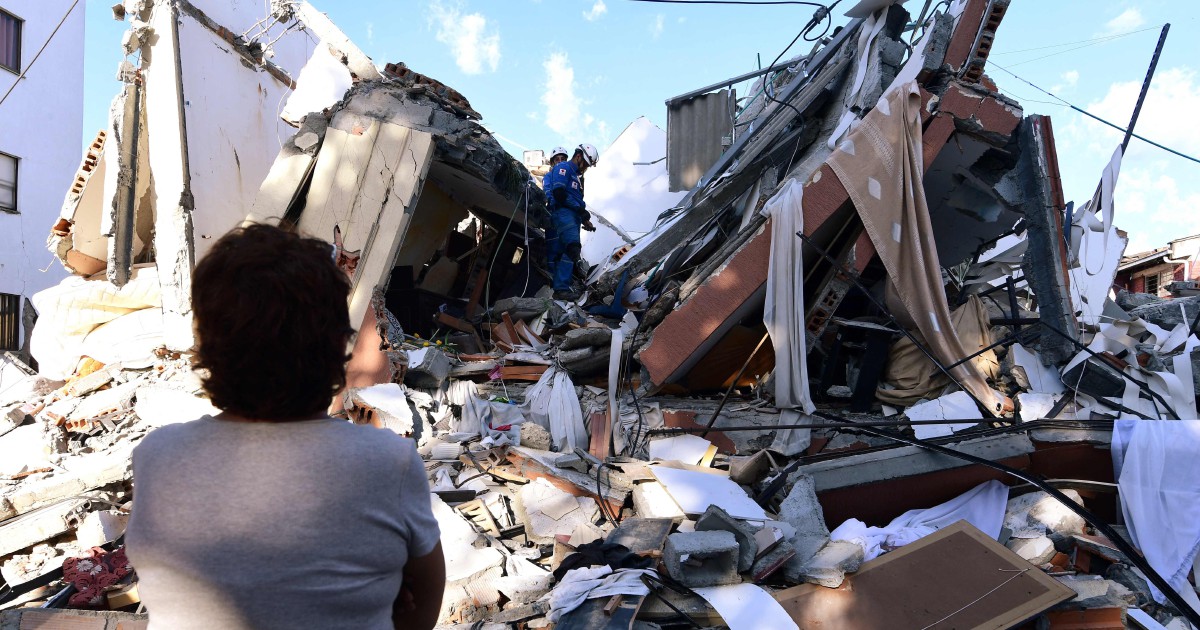
Prime Minister Datuk Seri Anwar Ibrahim has reached out to offer condolences to the families of those who lost their lives in a powerful earthquake that devastated parts of western Colombia yesterday, signalling Malaysia's compassion for the disaster-stricken nation. The gesture reflects the diplomatic engagement Malaysia maintains with countries across the globe during times of humanitarian crisis, reinforcing the bonds of mutual support that characterise international relations in an interconnected world.
Columbia's western regions have faced significant challenges from the seismic event, with the full extent of damage and casualty figures still being assessed by local authorities. Earthquakes in densely populated areas of South America frequently result in substantial loss of life and widespread destruction of infrastructure, given the architectural vulnerabilities that exist in many older structures across the region. The affected zones typically experience cascading effects including landslides, structural collapses, and service disruptions that compound the immediate humanitarian needs.
Malaysia's expression of sympathy follows established protocols of international statecraft, whereby nations acknowledge shared vulnerability to natural disasters and recognise the universal human suffering these events inflict. Such diplomatic expressions serve practical purposes beyond ceremonial acknowledgment, often paving the way for coordinated relief efforts and potential humanitarian assistance from the international community. In recent years, Malaysia has been both a recipient of such support during its own environmental crises and an active participant in regional and global disaster response mechanisms.
The earthquake in Colombia occurs within a broader context of seismic activity affecting Latin America, a region situated along active tectonic boundaries. South American nations have accumulated substantial experience in earthquake preparedness and response, yet devastating events continue to overwhelm local capacity and claim significant lives. The geographical realities of Colombia, with mountainous terrain and dispersed settlements in earthquake-prone zones, create particular vulnerabilities that international observers closely monitor.
Diplomatically, Malaysia's outreach reflects its consistent positioning as a nation committed to humanitarian principles and international cooperation. Anwar Ibrahim's government has prioritised engagement with diverse global partners across continents, strengthening Malaysia's presence as a voice for the Global South and a nation that values multilateral solidarity. Extending condolences during crises constitutes an important foundation for building deeper bilateral relationships that can extend into economic, cultural, and strategic dimensions.
The disaster response challenge faced by Colombia has implications for understanding how nations across different continents organise relief coordination. Regional Latin American bodies, supplemented by United Nations agencies and bilateral partnerships, typically mobilise rapidly to address the immediate aftermath of major earthquakes. International assistance frameworks have evolved significantly over recent decades, drawing lessons from prior catastrophes and improving the speed and effectiveness of cross-border humanitarian operations.
For Malaysian readers and observers, the earthquake in Colombia serves as a reminder of the shared exposure to natural hazards that affects nations worldwide, regardless of geographic location or development status. Malaysia itself sits within the Ring of Fire and experiences regular seismic activity, though its earthquake zones are generally less destructive than some global counterparts. The country's building codes and disaster management systems have been progressively strengthened through institutional learning and international best practices exchange.
The expression of condolences from Malaysia also underscores the importance of international networks that activate during humanitarian emergencies. When major disasters strike, diplomatic channels that have been cultivated during peaceful times become operational pathways for coordinating aid, sharing expertise, and demonstrating solidarity. This interconnectedness reflects how the modern global system, despite its complexities, creates mechanisms for collective response to human suffering.
Looking forward, the earthquake in Colombia will likely prompt discussions within the international community regarding disaster preparedness improvements, building safety standards, and early warning system enhancements. Malaysia and other nations often participate in these post-disaster assessments and knowledge-sharing processes, contributing insights from their own seismic experiences. The technical and organisational lessons derived from major earthquakes become valuable inputs for strengthening resilience across vulnerable populations elsewhere.
The timing and nature of Anwar Ibrahim's response demonstrate Malaysia's attentiveness to significant global events and its commitment to participating actively in the international community's humanitarian response frameworks. Such gestures, while sometimes perceived as purely ceremonial, carry substantive weight in maintaining the diplomatic relationships that enable broader cooperation on issues ranging from trade to climate adaptation. As nations face increasing complexity in addressing transnational challenges, the cultivation of genuine solidarity during times of crisis becomes an investment in more productive and trustworthy relationships across borders.

