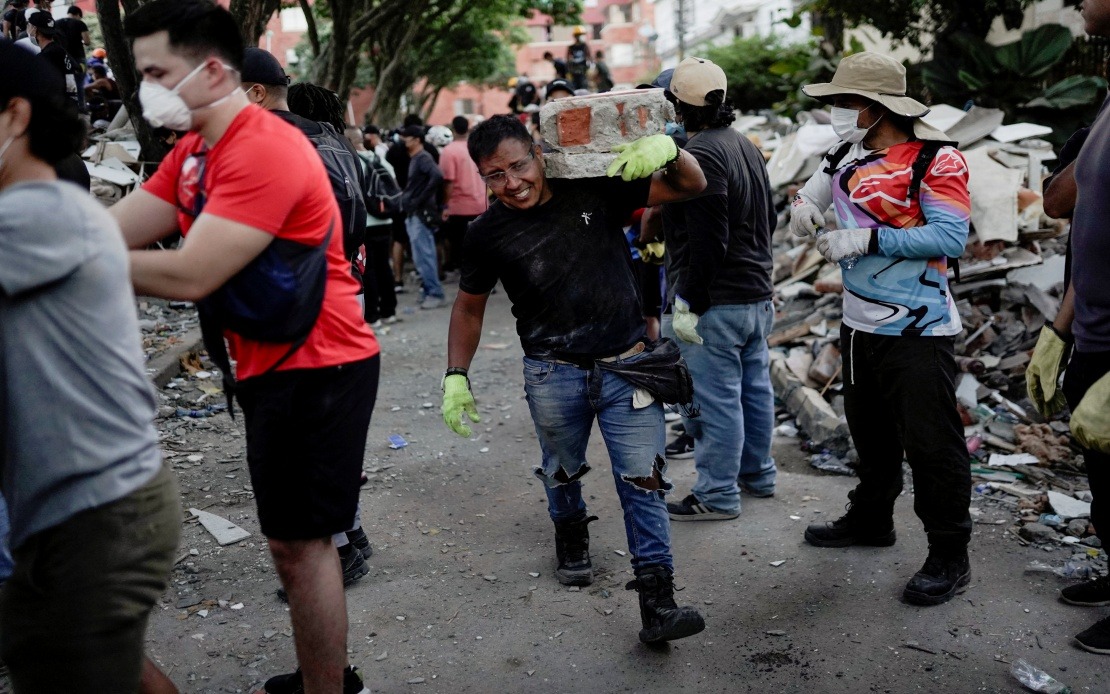
Prime Minister Datuk Seri Anwar Ibrahim has conveyed Malaysia's sympathies and solidarity to the people of Colombia following a catastrophic earthquake that devastated the nation's western regions. The natural disaster, which struck on Monday with a magnitude of 7.4, represents one of the most powerful seismic events to affect Colombia in several decades, leaving a trail of destruction across multiple provinces and claiming more than 100 lives in its immediate aftermath.
Through a statement posted on social media, Anwar articulated Malaysia's commitment to standing alongside Colombia during this period of acute crisis and humanitarian challenge. The Prime Minister's public acknowledgement of the disaster underscores the importance Malaysia places on maintaining solidarity with fellow nations facing natural calamities, reflecting broader principles of international cooperation and mutual support that guide Malaysia's foreign relations across the globe.
The earthquake's epicentre was located in the Chocó region, a densely populated area in western Colombia that encompasses multiple communities and urban centres. The tremors subsequently radiated across a significant geographical area, inflicting severe structural damage in several major cities including Cali, Pereira, and Manizales. Each of these urban centres experienced considerable destruction to buildings, infrastructure, and essential services, compounding the immediate challenges facing rescue and recovery operations.
Anwar specifically acknowledged the exceptional efforts being undertaken by rescue personnel and volunteer organisations who have mobilised rapidly despite ongoing aftershock activity that continues to threaten the region. These brave individuals operate under dangerous conditions, navigating unstable terrain and collapsing structures whilst searching for survivors trapped beneath debris. The Prime Minister's tribute to these frontline responders reflects Malaysia's recognition of the selfless dedication required in large-scale disaster response operations.
Beyond the immediate loss of life, the earthquake has created widespread humanitarian needs across the affected regions. Thousands of residents have been displaced from their homes, medical facilities have been overwhelmed with casualties, and basic infrastructure required to deliver water, electricity, and sanitation services has been severely compromised. The scale of displacement and resource strain places immense pressure on Colombian authorities attempting to coordinate relief efforts whilst managing ongoing seismic aftershocks that destabilise rescue operations.
For Malaysia and Southeast Asia, such natural disasters serve as sobering reminders of regional vulnerability to seismic activity and the importance of maintaining robust disaster preparedness systems. The Ring of Fire, which encompasses the Pacific region, generates frequent earthquake activity affecting various nations. Colombia's experience, whilst geographically distant, carries instructive value for Southeast Asian nations positioned in tectonically active zones, particularly those prone to earthquakes and related hazards such as landslides and tsunamis.
Anwar's message conveyed Malaysia's hope for the swift recovery of injured survivors and the successful location of persons still reported missing in the aftermath of the initial quake and subsequent aftershocks. This sentiment reflects practical compassion for the immediate human toll whilst acknowledging the extended recovery process that confronts Colombia. The rehabilitation of critical infrastructure, restoration of healthcare capacity, and psychological support for traumatised survivors will occupy Colombian authorities for months and potentially years following this catastrophic event.
The international dimension of disaster response has evolved considerably, with nations increasingly coordinating assistance through established frameworks and diplomatic channels. Malaysia's public statement of solidarity creates diplomatic pathways through which bilateral cooperation on humanitarian assistance might be formalised. Such expressions of support, whilst largely ceremonial in nature, establish the political foundation upon which practical aid and technical cooperation can subsequently be negotiated and implemented.
The earthquake also highlights the vulnerability of densely populated urban centres in Latin America, regions that frequently grapple with inadequate building codes and construction standards that would mitigate seismic risk. Many structures across Cali, Pereira, and Manizales were constructed without sufficient earthquake-resistant design principles, a challenge that mirrors vulnerabilities affecting rapidly urbanising regions throughout the developing world, including portions of Southeast Asia.
Anwar's invocation of international community unity reflects an understanding that natural disasters transcend political boundaries and demand collective human response. The acknowledgement of Colombia's need for international support and encouragement signals Malaysia's readiness to participate in global humanitarian efforts, positioning the nation as a responsible actor within international affairs committed to alleviating suffering wherever it occurs.

