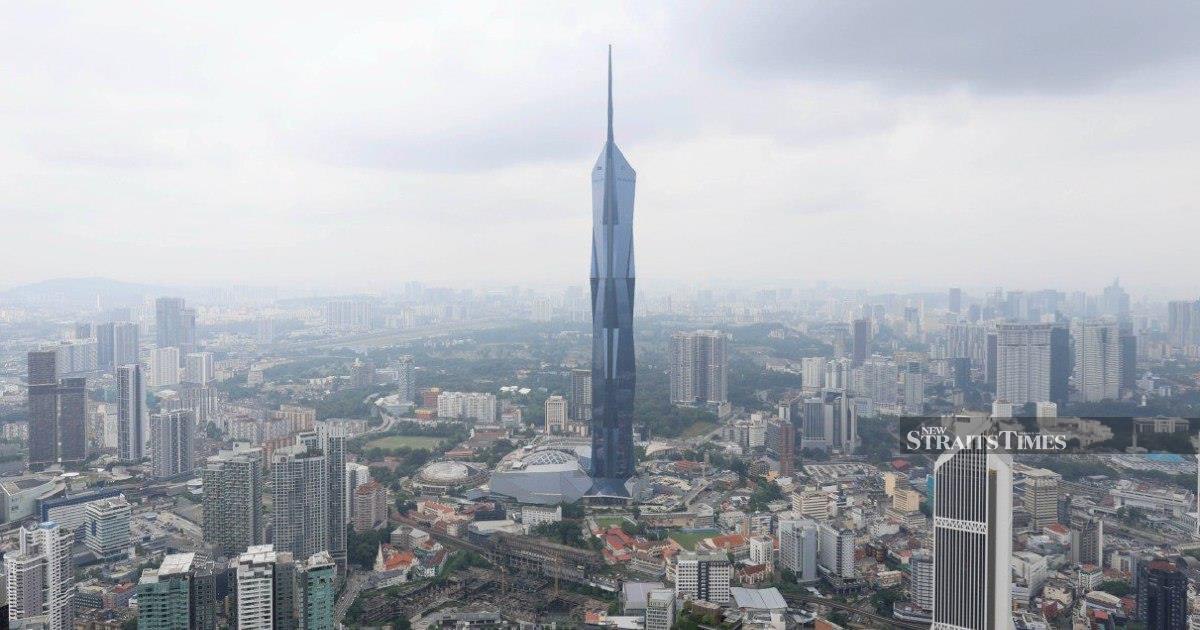
Prime Minister Datuk Seri Anwar Ibrahim has called on Malaysians to offer prayers for the haze to diminish as the nation prepares for its National Day celebrations on August 31, signalling official concern about air quality disrupting the significant national occasion. Speaking in Cyberjaya, the Prime Minister's intervention reflects rising apprehension within government circles regarding the transboundary haze phenomenon that periodically affects the region, particularly during months when agricultural burning and natural conditions conspire to degrade air quality across Southeast Asia.
The appeal comes at a critical juncture in Malaysia's calendar, as August 31 represents the nation's most important patriotic observance, traditionally marked by elaborate ceremonies, public gatherings, and nationwide celebrations that draw Malaysians together. Poor air quality poses a genuine threat to these outdoor activities, potentially forcing the government to postpone or relocate planned events and exposing citizens to health risks that could dampen the festive mood and national spirit. The Prime Minister's publicly voiced concern demonstrates the severity of the situation on the ground and the administration's recognition that conventional mitigation efforts may prove insufficient without broader intervention.
Transboundary haze has emerged as a recurring crisis for Malaysia and other Southeast Asian nations, with emissions originating from agricultural burning in neighbouring regions—particularly during dry seasons—contributing substantially to regional air pollution. The phenomenon transcends national borders and requires coordinated regional response, yet progress on this front has remained frustratingly incremental despite decades of bilateral and multilateral discussions within ASEAN frameworks. Malaysia's vulnerability stems from its geographical position and climatic patterns, making it particularly susceptible to haze episodes that can persist for weeks, affecting millions of citizens across the peninsula and Borneo.
The timing of Anwar's intervention underscores the multifaceted challenges facing government planners as they attempt to balance symbolic national observances with practical health and safety considerations. National Day festivities typically involve mass participation, with thousands gathering at stadiums and public spaces for patriotic performances, parades, and ceremonies. Should air quality indices remain elevated, authorities may face difficult decisions about proceeding with planned events, potentially disappointing citizens who anticipate these occasions and creating logistical complications for organisers who have invested considerable resources in preparations.
Beyond the immediate concern for August 31, the Prime Minister's public prayer appeal reflects deeper anxieties within the Malaysian establishment about climate volatility and environmental pressures that will likely intensify in coming years. The haze crisis exemplifies how transnational environmental challenges can undermine domestic planning, disrupt social cohesion, and impose unexpected health burdens on populations. For Malaysia's leadership, managing public expectations while demonstrating responsiveness to citizen concerns represents an ongoing political balancing act, particularly when meteorological conditions lie substantially beyond governmental control.
The government has historically deployed various strategies to combat haze impacts, including public health advisories, monitoring systems, and occasional diplomatic pressure on source countries to implement stricter burning controls. However, these measures have demonstrated limited efficacy in preventing seasonal haze episodes, leading some analysts to question whether Malaysia should invest more substantially in long-term adaptation strategies such as enhanced air filtration systems in public buildings, expanded indoor recreational facilities, and adjusted scheduling of major events to avoid peak haze seasons. Such forward-thinking approaches would represent a pragmatic acknowledgment that haze may constitute an increasingly permanent feature of the region's environmental landscape.
The commercial and health sectors also face mounting pressure during haze episodes, with businesses reporting reduced foot traffic, healthcare facilities experiencing surges in respiratory complaints, and parents grappling with decisions about children's outdoor activities. Schools have occasionally suspended outdoor classes, and construction projects have experienced delays, creating economic ripple effects that extend far beyond immediate air quality measurements. For vulnerable populations including the elderly, young children, and those with pre-existing respiratory conditions, haze poses genuine health risks that demand serious mitigation efforts from both government and private institutions.
Anwar's emphasis on prayer reflects both the cultural context within which Malaysian leadership operates and perhaps an acknowledgment of the limitations confronting policymakers when confronted with phenomena shaped by regional meteorology and neighbouring nations' agricultural practices. While spiritual appeal may resonate with Malaysia's Muslim majority and broader population, it also serves as political messaging that demonstrates the Prime Minister's personal investment in citizens' welfare and his willingness to mobilise available tools—spiritual and otherwise—to address national challenges. Such gestures, whether substantive or symbolic, matter in democratic contexts where public perception shapes political legitimacy.
Looking ahead, Malaysia's experience with recurring haze episodes suggests that a comprehensive national strategy encompassing emergency preparedness, international diplomacy, environmental partnerships with ASEAN neighbours, and domestic adaptation measures will prove essential. The nation must simultaneously pursue diplomatic solutions encouraging cleaner agricultural practices in source regions whilst investing in domestic resilience mechanisms that protect citizen health and preserve major national occasions regardless of air quality conditions. Until transboundary haze can be genuinely eliminated through regional cooperation, Malaysia must prepare for the possibility that future National Day celebrations may require adaptation to environmental realities beyond any single nation's control.

