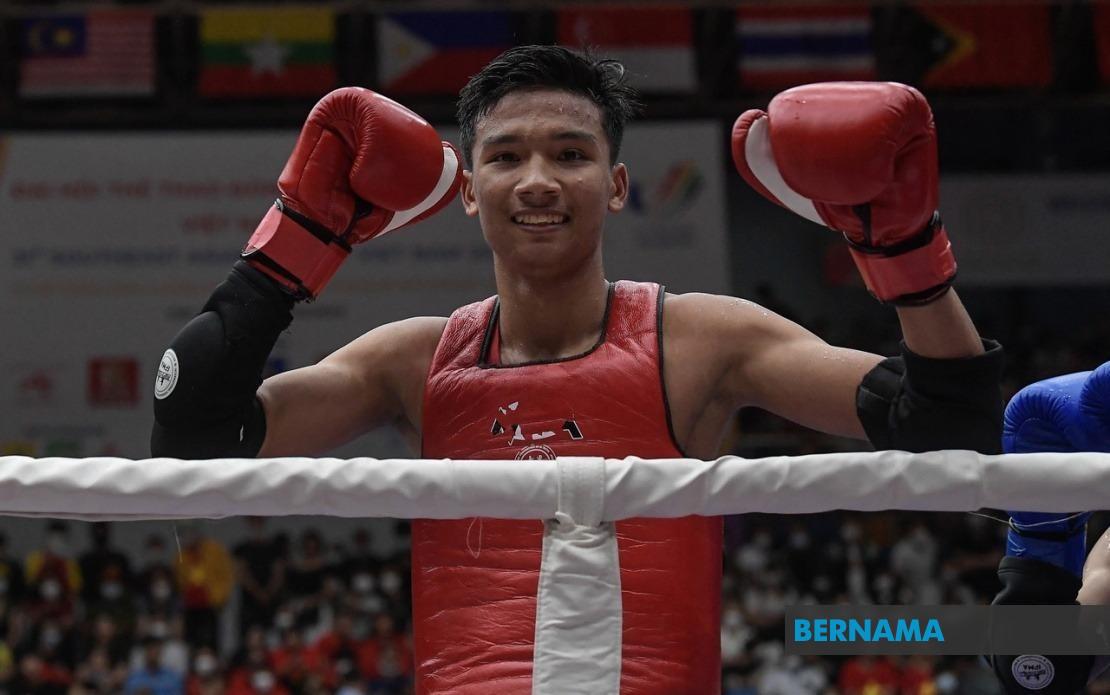
Prime Minister Datuk Seri Anwar Ibrahim has stepped into the sporting arena to mobilise national support for Ahmad Nor Iman Aliff Rakib, a Malaysian Muay Thai champion preparing for what could prove a watershed moment for combat sports in the country. The premier's intervention, shared via social media on July 22, underscores how significantly the government views this athlete's upcoming world title opportunity, positioning it as far more than a personal sporting achievement but rather a matter of national pride and representation on the global stage.
Ahmad Nor Iman Aliff is set to compete for the ONE Interim Strawweight Muay Thai World Championship this Friday at Bangkok's storied Lumpinee Stadium, one of the sport's most revered venues. His opponent will be Sam-A Gaiyanghadao, a Thai Muay Thai legend whose experience and pedigree in the sport span decades. For many Malaysian observers, this matchup represents an unprecedented opportunity: Ahmad Nor Iman Aliff would become the first Malaysian combat sports athlete to capture a world title in a major international promotion should he emerge victorious against such a formidable opponent.
In his message, Anwar called upon fellow Malaysians to unite behind the athlete, framing the contest as an opportunity to elevate the nation's standing in international combat sports. The Prime Minister's language reflected both encouragement and aspiration, emphasising how success at this level could inspire younger generations across Malaysia to pursue excellence in martial arts disciplines. By explicitly linking Ahmad Nor Iman Aliff's performance to national representation and youth inspiration, Anwar positioned the bout as carrying significance beyond the octagon or ring.
The choice of venue adds considerable weight to this encounter. Lumpinee Stadium holds mythological status within Muay Thai circles, having hosted the sport's most celebrated bouts for decades. Competing there represents validation of an athlete's credentials and provides one of the sport's most authentic stages. For a Malaysian fighter to secure a world title shot at such a location speaks volumes about his trajectory and the regard in which he is held by international promoters and the Muay Thai community.
Sam-A Gaiyanghadao's legendary status cannot be understated. His experience, technical mastery, and record of success against elite competition worldwide make him a formidable hurdle for any challenger, regardless of nationality or rank. Yet Ahmad Nor Iman Aliff's qualification to face him demonstrates that Malaysian combat sports have developed to a level where local athletes can compete meaningfully against the sport's established elite. This progression reflects years of investment in training facilities, coaching expertise, and athlete development within Malaysia's combat sports ecosystem.
The Prime Minister's explicit backing serves multiple purposes within Malaysia's sporting landscape. Firstly, it provides psychological support to an athlete facing immense pressure competing at this level. Secondly, it signals government recognition of combat sports as legitimate pathways for national achievement and international recognition. This official acknowledgement could influence resource allocation, sponsorship opportunities, and media attention directed toward combat sports development across the country. Such governmental endorsement has historically catalysed broader interest in sporting disciplines among Malaysian youth.
From a regional perspective, Ahmad Nor Iman Aliff's advancement represents Southeast Asia's evolving influence in combat sports. While Thailand maintains traditional dominance in Muay Thai circles, the emergence of world-class Malaysian challengers demonstrates how the region's talent pool continues to deepen. This dynamic creates opportunities for the entire Southeast Asian region to assert greater presence within major international combat sports organisations and promotions that increasingly shape the sport's future.
The timing of Anwar's public support also reflects contemporary approaches to leadership wherein political figures actively engage with sporting narratives. By personally championing Ahmad Nor Iman Aliff's efforts, the Prime Minister connects political authority with grassroots sporting passion, demonstrating responsiveness to national achievements and fostering a sense of collective investment in Malaysian success stories. Such gestures often resonate powerfully with citizens who view their country's sporting representatives as extensions of national capability.
Looking forward, regardless of the bout's outcome, Ahmad Nor Iman Aliff's participation at this level has already validated Malaysian potential within elite combat sports. Should he prevail, he would cement a historic place in Malaysian sports history and likely accelerate interest and investment in Muay Thai development nationally. Even a competitive loss against such formidable opposition would enhance his international profile and establish him among the world's elite strawweight competitors, potentially opening further opportunities within major international promotions. The framework now exists for Malaysian combat sports athletes to pursue sustained careers competing at the highest levels, with official recognition and support from the country's leadership.

