Prime Minister Datuk Seri Anwar Ibrahim has lashed out at the opposition coalition for converting the Tabung Haji scandal into political theatre, arguing that their focus should remain squarely on those responsible for the pilgrimage fund's financial distress rather than levelling attacks at him personally. The remarks come amid heightened tensions over the handling of a damning Royal Commission of Inquiry report that exposed serious governance failures within the institution spanning 2014 to 2020.
In a pointed Facebook statement, the Prime Minister framed the dispute as a matter of fundamental accountability, questioning whether lawmakers wish to engage in debate about personalities or address the institutional betrayal affecting millions. He highlighted the particular vulnerability of ordinary Malaysians—fishermen, farmers, teachers, police officers, military personnel, and retirees—who have entrusted their savings to Tabung Haji as they work toward fulfilling the Islamic obligation of hajj. His intervention reflects government frustration with what it perceives as opposition tactics designed to score political points rather than advance genuine reform.
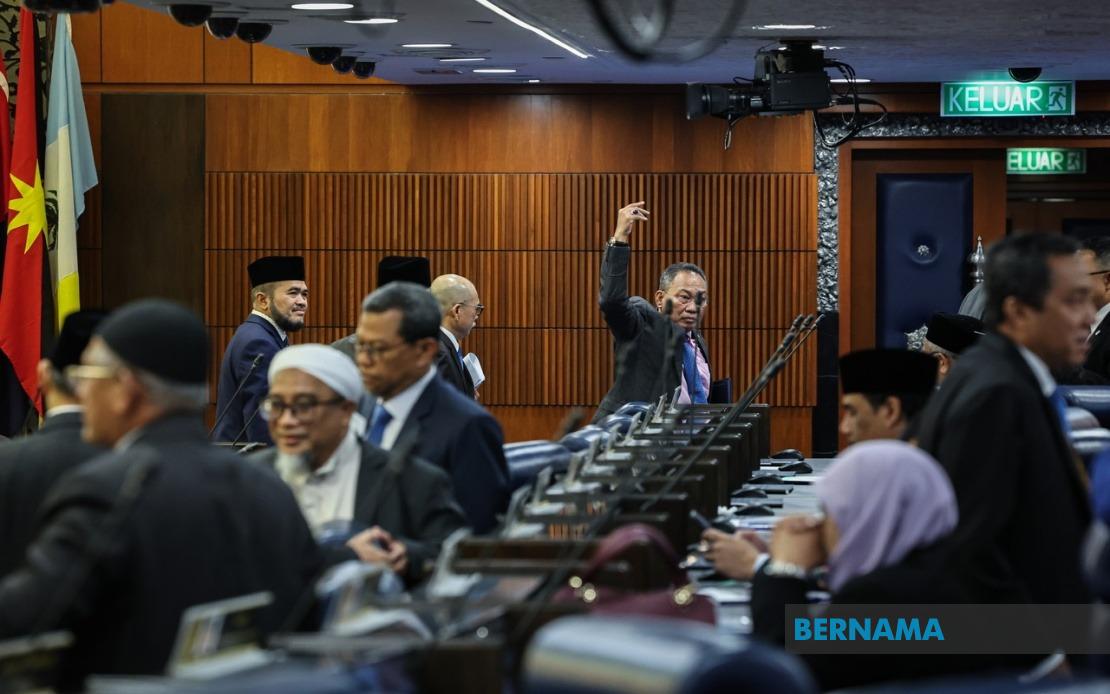
The tension peaked during a special parliamentary sitting convened to brief lawmakers on the RCI findings and government remediation efforts. Several opposition Members of Parliament staged a walkout, refusing to participate in proceedings led by ministerial speakers due to the Prime Minister's absence. They cited procedural objections to Speaker Tan Sri Johari Abdul's decision to proceed without Anwar's presence, and they rejected a motion by opposition chief whip Datuk Seri Takiyuddin Hassan to adjourn the session. Anwar, who was recovering from elective laparoscopic surgery to address a para-umbilical hernia, had issued an advance apology for his inability to attend.
The opposition's parliamentary boycott represents a significant escalation in what has become an increasingly bitter dispute over Tabung Haji governance. The 211-page RCI report, released publicly on July 29, documented systemic weaknesses in management and operational oversight that created the conditions for substantial depositor losses. The inquiry identified 25 recommendations for institutional improvement, with Tabung Haji implementing 75 per cent of these measures by late July. The government established the RCI in 2021 and appointed its members in January 2022, with the formal report presentation to the Yang di-Pertuan Agong occurring in August 2022.
Anwar's critique directly challenges the Perikatan Nasional coalition, which is led by PAS, over its apparent indifference to the plight of ordinary Malaysians whose hajj savings were compromised. He questioned whether the opposition truly cares about protecting vulnerable populations who have dutifully contributed to Tabung Haji, framing this as a test of the opposition's stated commitment to Malay-Muslim interests. This rhetorical move attempts to reposition the government as the defender of depositor welfare while casting the opposition as prioritising political opportunism over genuine reform.
The Tabung Haji crisis represents one of the most serious institutional failures affecting Malaysian Muslims in recent years, making governance and accountability central to national conversation. The fund manages savings accumulated by approximately 4.5 million contributors who depend on these resources to complete the religious pilgrimage. The RCI's findings revealed inadequate internal controls, questionable investment decisions, and governance lapses that permitted significant value deterioration. Restoring public confidence requires transparent implementation of reform recommendations and clear accountability for decision-makers during the problematic period.
The opposition's decision to boycott parliamentary proceedings rather than engage substantively with ministerial briefings raises questions about its own priorities. While legitimate scrutiny of government performance during the crisis period is entirely appropriate, staging tactical walkouts arguably obscures rather than illuminates the specific failings and their remedies. Depositors across Malaysia—many from modest economic circumstances—have legitimate interest in seeing their representatives focus intently on concrete governance improvements rather than partisan positioning.
Government implementation efforts appear substantial, with three-quarters of RCI recommendations already operationalised by late July. The authorities have undertaken significant structural and procedural changes aimed at preventing recurrence of the documented vulnerabilities. However, restoring genuine public trust will require sustained demonstration that governance reforms have taken root and that accountability extends to all responsible parties, regardless of political affiliation. The distinction Anwar draws between legitimate institutional reform and political exploitation of the crisis resonates with depositors' fundamental interests in recovery and prevention of future mismanagement.
The standoff also illuminates broader patterns in Malaysian parliamentary opposition behaviour, where boycotts and procedural objections sometimes substitute for substantive engagement with policy substance. While parliamentary opposition should certainly hold government to account, particularly regarding serious institutional failures, depositors might reasonably expect their elected representatives to maintain focus on remedies rather than participate in reciprocal political theatre. The question of who bears responsibility for Tabung Haji's troubles across multiple administrations remains legitimate, yet cannot overshadow the immediate imperative to stabilise the institution and protect remaining assets.
Moving forward, both government and opposition face pressure to demonstrate that the Tabung Haji crisis will prompt genuine institutional reform transcending political divisions. The RCI report provides a detailed roadmap for improvements; the challenge now involves faithful implementation, rigorous monitoring, and pursuit of accountability wherever evidence leads. For millions of ordinary Malaysian Muslims whose hajj aspirations depend on Tabung Haji's stability, the paramount concern remains not the political drama surrounding the inquiry but rather concrete assurance that their savings will be protected and their religious obligations remain financially accessible.

