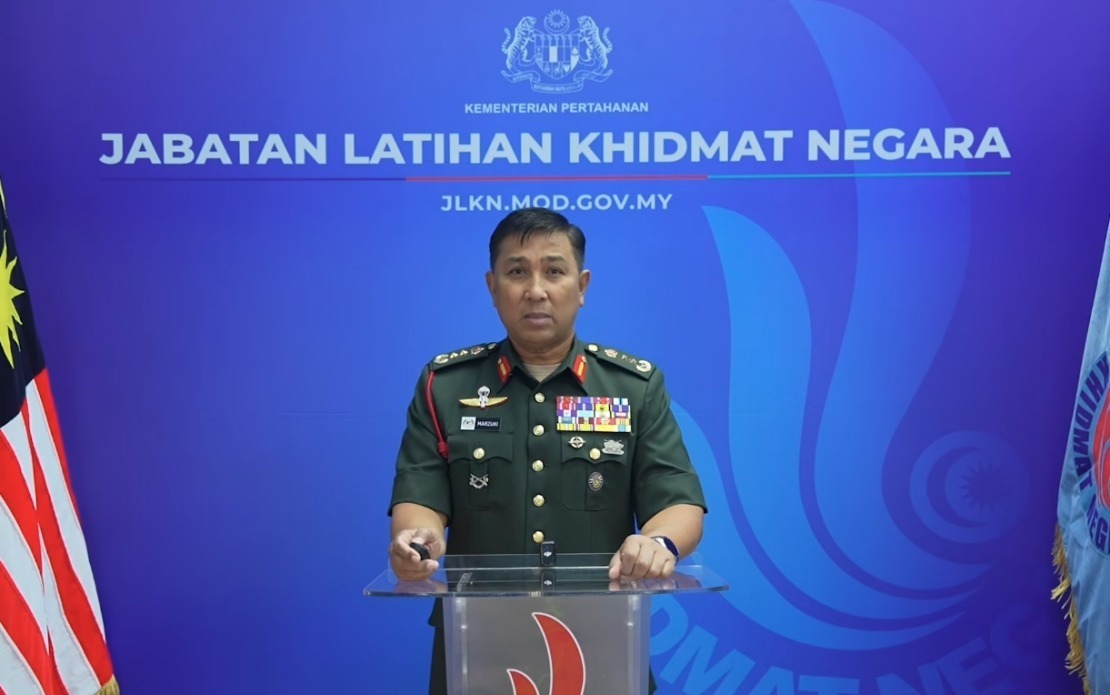
Recognising the fundamental right of young Malaysians to participate in the electoral process, the National Service Training Department has granted 77 trainees enrolled in the third cohort of the 2026 PLKN programme permission to cast their votes in the forthcoming state elections across Johor and Negeri Sembilan. This accommodation reflects a deliberate policy decision to uphold democratic principles whilst maintaining the integrity of the nation's compulsory military service initiative.
Major General Datuk Marzuki Mokhtar, the department's director general, framed the arrangement as essential to protecting the constitutional right to vote without undermining the educational and nation-building objectives embedded within the PLKN 3.0 framework. The decision demonstrates an institutional willingness to adapt operational schedules when competing civic duties arise, a precedent that carries significance for future electoral cycles where similar scheduling conflicts may emerge.
The logistics of the arrangement differ considerably depending on the polling date in each state. For the 31 trainees participating in today's Johor state election, the department has authorised a one-day absence structure, with participants required to report back to their designated training camps tomorrow morning. This compressed timeline reflects the proximity of the voting date to the programme's commencement, necessitating expedited departure and return procedures to minimise disruption to the training schedule.
The situation in Negeri Sembilan presents a more flexible arrangement, as the 46 trainees eligible to vote in that state's election scheduled for August 1 have been allocated two to three days of leave encompassing travel time and the polling day itself. This extended grace period accommodates the geographical distances involved and provides a more comfortable margin for participants to journey to their polling stations, cast their votes, and return without undue haste. The differential treatment reflects practical considerations of distance and logistical efficiency rather than preferential treatment.
The PLKN 3.0 Series 3/2026 cohort commenced today with 870 trainees confirmed across three major training camps strategically distributed throughout the Peninsular region. Camp 505 AW located in Pekan, Pahang, operates as the largest facility with a capacity intake of 500 trainees, establishing it as the programme's primary training hub. The secondary facility, Camp 515 AW situated in Kuala Lumpur, accommodates 250 participants, whilst the smaller Camp 504 AW Bukit Keteri in Perlis enrolls 120 trainees, creating a geographically dispersed network designed to serve different regions of the country.
The programme's duration extends to August 24, providing just over six weeks of intensive training in civics, leadership, and national consciousness. The timing creates an unusual circumstance wherein national and state electoral processes intersect with military service obligations, a scenario that demands careful administrative navigation to ensure neither commitment is compromised. The department's proactive approach in facilitating voting rather than imposing barriers suggests a recognition that democratic participation strengthens rather than weakens national cohesion.
For Malaysian youth, the PLKN programme represents a foundational experience of structured national service, bringing together young people from diverse backgrounds and regions. The opportunity to vote whilst engaged in this service underscores a broader message about the compatibility of military discipline with democratic participation. Rather than viewing the two as competing obligations, the department's decision frames them as complementary aspects of citizenship development.
The decision also addresses potential complications that might otherwise arise from the rigid enforcement of leave restrictions during voting periods. Had the department refused requests for absence, it would have created a situation where some trainees faced the choice between their legal voting rights and programme obligations—an untenable position that could have invited legal challenge or generated political controversy. By accommodating electoral participation, the department preempts such conflicts whilst demonstrating institutional flexibility.
Looking forward, the department has urged prospective participants in the subsequent PLKN 3.0 Series 4/2026 cohort, particularly those born in 2008 who will be reaching voting age, to remain attentive to official communications regarding selection and registration procedures. This forward guidance suggests the department anticipates similar scheduling overlaps in future electoral cycles and wishes to ensure potential trainees understand the framework within which such absences will be managed. The communication emphasises the importance of consulting only official department channels, a precaution against misinformation regarding recruitment and procedural requirements.
The broader implications of this decision extend beyond the immediate 77 trainees involved. It establishes a precedent that compulsory national service programmes should accommodate rather than obstruct electoral participation, a principle that strengthens democratic norms even within quasi-military institutional structures. For Southeast Asia, where several nations employ national service requirements, Malaysia's approach offers a model for reconciling state training obligations with individual voting rights—a balance that respects both national development goals and fundamental democratic freedoms.

