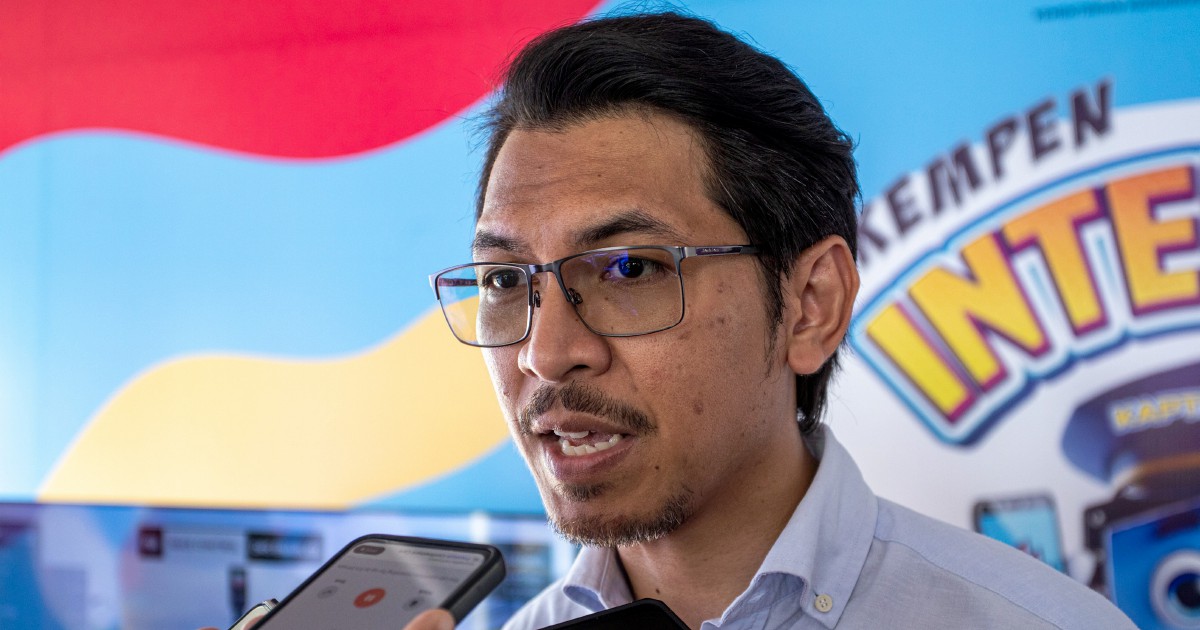
The PKR Youth chief has issued a pointed warning that Pakatan Harapan cannot afford to sidestep mounting public unease regarding the coalition's governance record and leadership trajectory if it intends to regain electoral footing before the next general election. Speaking in Ayer Keroh, the youth wing leader stressed that addressing citizen concerns has become fundamental to any meaningful recovery strategy, suggesting that continued avoidance of difficult questions may only deepen the coalition's political isolation among key voter demographics.
Pakatan Harapan's performance since its 2018 triumph has been shadowed by a series of internal contradictions and leadership challenges that have eroded public confidence. The collapse of the coalition's first government within two years, followed by years of fractious negotiations and leadership disputes, created a credibility deficit that persists today. Many Malaysian voters now view the opposition bloc with skepticism rather than the enthusiasm that characterised its pre-2018 appeal, representing a significant strategic vulnerability as the nation heads toward fresh electoral contests.
The youth chief's intervention reflects broader tensions within PKR itself, where younger party members have grown increasingly vocal about the need for genuine reform rather than business-as-usual politics. This generational pressure from within the party suggests that leadership recognises its current trajectory is unsustainable, and that surface-level messaging campaigns will fail to restore public trust. The frank acknowledgment that trust-building must precede electoral ambitions represents a notable departure from typical opposition rhetoric, which often prioritises attack on the government over introspection.
Public concerns about Pakatan Harapan take several forms. Some voters question whether the coalition possesses the internal cohesion necessary to govern effectively, pointing to the fractious relationship between PKR and its partners DAP and Amanah. Others worry about the coalition's economic competence, given Malaysia's persistent fiscal challenges and the rising cost of living that affects millions of households across the peninsula and East Malaysia. Still others remain unsettled by the handling of sensitive issues like religious affairs and federal-state relations during the coalition's previous stint in office.
The timing of this public warning is instructive. With the next general election likely to occur within the next two years, coalition parties are entering the critical phase of campaign preparation and policy platform refinement. Rather than waiting until formal campaigning begins, the PKR Youth chief's statement suggests that internal discussions are already taking place about how to recalibrate the opposition's appeal. This proactive stance, though internally critical, may indicate strategic thinking about the need to rebuild rather than coast on historical accomplishments.
For Malaysian voters already fatigued by political instability, Pakatan Harapan's willingness to acknowledge and confront public concerns represents a potential pathway toward renewed engagement. The opposition coalition cannot win through default; it must actively persuade citizens that it offers a genuinely superior alternative to the current government. This requires moving beyond comfortable rhetoric directed at core supporters and speaking directly to the anxieties of swing voters in suburban constituencies and smaller towns where recent elections have been decided.
The youth wing's intervention also reflects international trends in opposition politics, where younger cadres increasingly demand that their parties articulate clear, forward-looking visions rather than merely opposing incumbent governments. Across Southeast Asia and beyond, voters have shown willingness to punish opposition movements that appear primarily focused on power-seeking rather than problem-solving. PKR Youth's emphasis on addressing public fears suggests the party understands this dynamic and recognises that credibility must be rebuilt through genuine engagement with citizen concerns.
Religious and communal sensitivities remain particularly challenging terrain for Pakatan Harapan. The coalition's previous government faced criticism from multiple quarters regarding its handling of Islamic affairs, while simultaneously being accused of insufficient commitment to secular governance principles. This impossible balancing act will only grow more complicated as Malaysia's political landscape becomes increasingly polarised along religious and communal lines. Any credible opposition platform must articulate a clear, principled position on these matters rather than attempting ambiguous triangulation.
The economic dimension of public concern cannot be overstated. Malaysians grappling with inflation, stagnant wages, and reduced purchasing power will judge any government or opposition primarily on its ability to deliver tangible improvements to living standards. Pakatan Harapan's previous government inherited a complex fiscal situation but was widely viewed as failing to communicate clear economic strategies or achieve meaningful reforms. The current opposition must develop detailed, credible policies addressing employment, wages, and cost of living if it hopes to persuade voters that change is worth risking.
Moving forward, the PKR Youth chief's remarks suggest the coalition intends to conduct genuine internal evaluation rather than superficial rebranding. This self-critical approach, while potentially destabilising if mishandled, could ultimately strengthen the opposition's position by demonstrating willingness to learn from past mistakes. Malaysian voters have grown weary of political movements that refuse accountability; a coalition that acknowledges shortcomings and commits to substantive reform may find a more receptive audience than one offering hollow assurances of capability.
The next election will ultimately turn on whether Pakatan Harapan can convince sufficient numbers of Malaysians that it genuinely understands their concerns and possesses both the competence and unity to address them. The youth wing's intervention suggests internal recognition that this work must begin immediately, through honest dialogue with the public rather than expedient messaging designed to minimise uncomfortable questions. Only by confronting rather than evading public anxieties can the coalition hope to rebuild the electoral coalition that might secure victory in a genuinely competitive contest.

