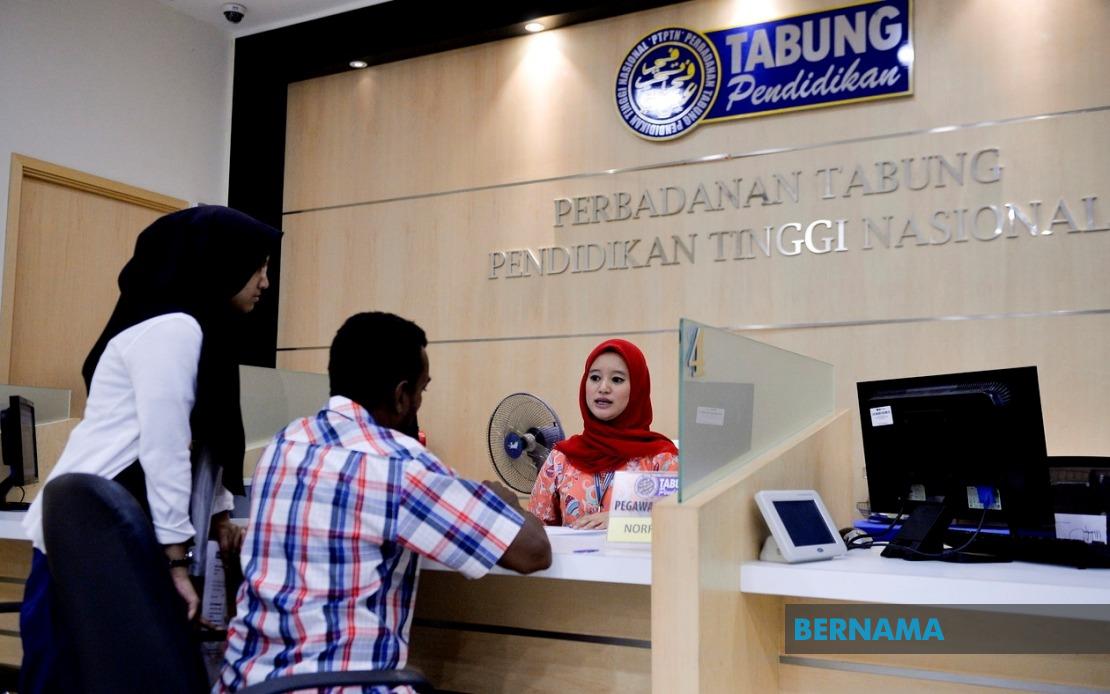
The Women's Wing of Parti Keadilan Rakyat has launched a fresh push for substantial reforms to Malaysia's student loan system, calling on the government to act swiftly in overhauling how the National Higher Education Fund Corporation manages its repayment processes. Speaking through her statement, Karen Kasturi, a member of the party's executive committee, highlighted the mounting difficulties faced by thousands of borrowers who are struggling to meet their monthly obligations under the current framework.
Central to PKR Wanita's demands is the elimination of the 15 per cent debt collection agency fee that is applied to loans referred to third-party agencies for recovery. This charge, according to Kasturi, compounds an already severe financial situation for borrowers who have fallen behind on payments. Many are being asked to settle lump sums representing up to half their remaining balance in addition to this substantial agency fee, creating what the party describes as an insurmountable barrier to resolution. The accumulation of these charges transforms what should be a restructuring opportunity into a potentially catastrophic financial event for vulnerable Malaysians.
Kasturi drew attention to a procedural inconsistency that has left borrowers confused and frustrated. When individuals contact PTPTN seeking to restructure their repayment schedules, they are frequently redirected to debt collection agencies rather than being permitted to negotiate directly with the corporation itself. This lack of transparency and direct engagement removes borrowers' ability to work out reasonable arrangements with the original creditor, instead forcing them into interactions with third parties whose primary incentive is fee collection rather than sustainable resolution. The absence of clear guidance compounds this problem, leaving many uncertain about their actual options and rights.
The party's intervention comes at a moment when higher education financing has become a focal point of national debate. Prime Minister Datuk Seri Anwar Ibrahim recently indicated that the government would explore the possibility of abolishing PTPTN entirely, following discussions during the Johor state election campaign. Anwar signalled his intention to consult with Higher Education Minister Datuk Seri Dr Zambry Abd Kadir on the matter, suggesting senior officials are reconsidering the long-term viability and design of the current student loan system. However, PKR Wanita's position is that waiting for a potential wholesale restructuring should not delay immediate relief for current borrowers.
The party also emphasises that vulnerable income groups warrant particular attention within any reform framework. Borrowers from the B40 and M40 categories face disproportionate difficulties in managing PTPTN obligations alongside other living expenses, and Kasturi argues that more flexible restructuring options must be available to these segments. Additionally, the proposed use of Employees Provident Fund withdrawals to settle PTPTN loans presents another concern: intermediary charges and debt collection fees could substantially erode the retirement savings that individuals had set aside.
Kasturi's framing of the issue represents a significant reorientation of how student borrowers are conceptualised within policy discourse. Rather than viewing PTPTN participants primarily as debtors who have defaulted, she positions them as Malaysians who exercised the opportunity to pursue higher education and are now attempting to rebuild their financial footing. This perspective shift is meaningful because it reframes the repayment challenge not as a compliance or enforcement issue but as a mutual responsibility between the state and its citizens to facilitate sustainable resolution pathways.
The call for direct restructuring negotiations carries practical implications for Malaysia's broader debt management landscape. When borrowers can engage directly with creditors, outcomes tend to be more tailored to individual circumstances and result in higher long-term repayment rates compared to collections agency interventions, which often prioritise immediate recovery over sustainability. By eliminating the debt collection intermediary, PTPTN could potentially improve its overall portfolio performance while simultaneously reducing the financial and psychological distress experienced by struggling borrowers.
The 15 per cent debt collection fee has emerged as a particularly contentious element of the current system because it functions as a penalty on those who are already financially vulnerable. For a borrower with an outstanding balance of RM50,000 referred to a collections agency, this additional charge represents RM7,500—a sum that many cannot raise even if they liquidated other assets. This dynamic effectively locks borrowers into a cycle where the very mechanisms designed to encourage repayment become obstacles to it, creating what economists term a poverty trap within the education finance system.
PKR Wanita's intervention also reflects broader concerns about how Malaysia manages its transition toward inclusive prosperity. As the nation aims to enhance the quality of its workforce and expand access to higher education, the PTPTN system functions as a critical interface between educational aspiration and economic reality. When that system imposes punitive collection mechanisms on those struggling to repay, it potentially discourages future generations from accessing higher education and creates intergenerational resentment toward the state's financing mechanisms.
The timing of this advocacy coincides with heightened political attention to education financing following the Johor election discussions. However, PKR Wanita's emphasis remains on immediate, practical steps rather than long-term systemic overhauls. The party is essentially arguing that while the government deliberates larger questions about PTPTN's future, it should not delay providing relief to current borrowers through the removal of punitive fees and the restoration of direct negotiation pathways. This positions the Women's Wing as an advocate for those most immediately affected by the current system's harshness, regardless of broader policy direction.
The proposal to allow direct restructuring also aligns with international best practice in education loan administration. Jurisdictions ranging from the United Kingdom to Australia have found that embedding flexibility and direct borrower engagement within their student loan frameworks produces better outcomes than rigid collection approaches. Malaysia could potentially benefit from learning these lessons while developing a distinctly Malaysian approach that accounts for the nation's unique economic and demographic context, where rapid urbanisation and wage disparity create uneven capacity to repay across regions and demographic groups.

