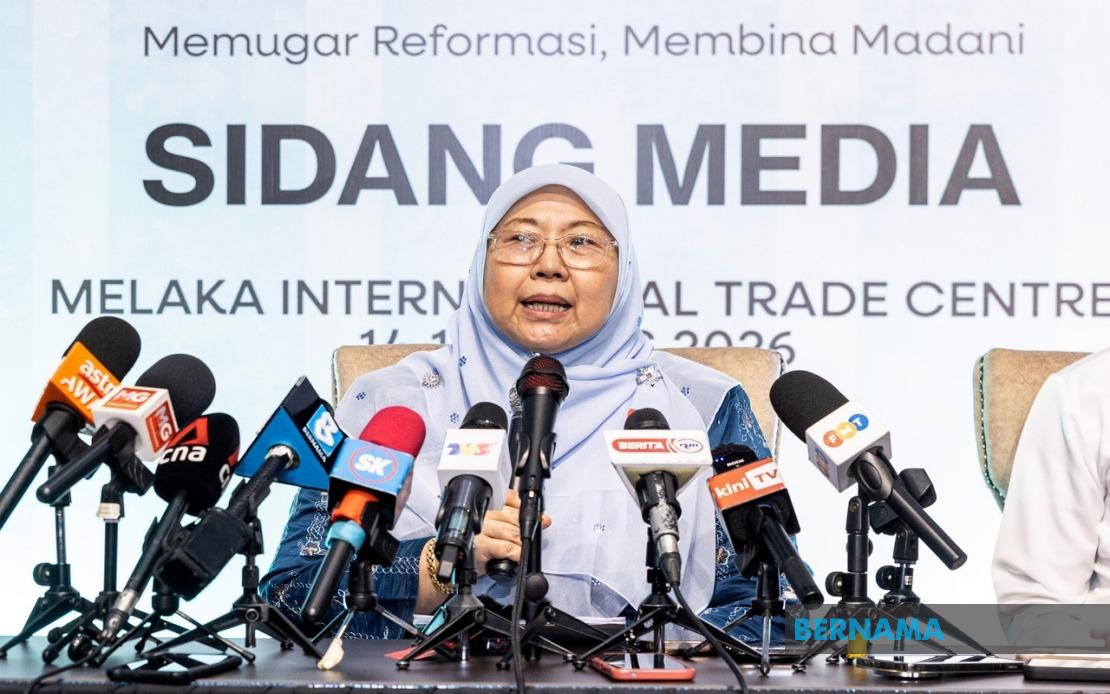
Parti Keadilan Rakyat has adopted a flexible approach to the leave of absence taken by deputy president Nurul Izzah Anwar as she embarks on further academic pursuits, according to party secretary-general Senator Datuk Dr Fuziah Salleh. Speaking during the opening of the party's 2026 National Congress in Melaka on August 14, Fuziah indicated that no predetermined timeline has been established for Anwar's return to her formal responsibilities within the party hierarchy.
The decision reflects a pragmatic stance within PKR's leadership structure, balancing the organizational needs of Malaysia's primary opposition-aligned coalition partner with the personal development goals of one of its most prominent figures. Nurul Izzah, who holds significant influence within the party and the broader political landscape, will step back from her deputy president role following the conclusion of the current National Congress, though she has committed to participating fully in all congress activities until that point.
During the three-day gathering at the Melaka International Trade Centre in Ayer Keroh, Nurul Izzah is scheduled to maintain her full slate of responsibilities, including presiding over the Angkatan Muda Keadilan and Wanita PKR congress sessions, participating in parliamentary-style debates, and delivering formal closing remarks. This arrangement ensures continuity in leadership representation during what promises to be a significant gathering for PKR members and supporters, while signalling the party's acceptance of her temporary withdrawal.
Fuziah's characterization of the leave arrangement emphasizes the party's readiness to reintegrate Nurul Izzah whenever she determines that her academic commitments have been sufficiently advanced. This language suggests an understanding that professional development and educational advancement remain valid priorities for senior political figures, a perspective that may resonate with younger party members and urban constituencies increasingly concerned with skills development and global competitiveness. The flexibility offered stands in contrast to stricter organizational cultures that might demand immediate return dates or impose penalties for extended absences.
The broader context of Nurul Izzah's leave relates to PKR's internal dynamics and succession planning within one of Southeast Asia's most significant democratic parties. As the daughter of Anwar Ibrahim, PKR's president and Malaysia's Prime Minister, Nurul Izzah occupies a unique position combining familial proximity to power with her own independent political standing. Her pursuit of further studies signals confidence in the party's institutional sustainability beyond any single individual, while also positioning her for potentially enhanced roles in future governance.
At the National Congress, PKR president Anwar Ibrahim is anticipated to deliver a comprehensive policy address outlining the party's ideological direction, reform initiatives, and strategic priorities for the medium term. This speech will likely encompass institutional strengthening measures, responses to contemporary political challenges, and the party's vision for Malaysia's democratic development. Such addresses serve crucial functions in maintaining party cohesion and communicating direction to grassroots members and affiliated organizations.
The congress itself represents a significant gathering within PKR's democratic structures, with delegates empowered to raise motions and initiate debates on party governance, policy positions, and organizational matters. Fuziah indicated that the agenda remains flexible, with participants entitled to propose topics ranging from party strengthening to broader political issues. This deliberative process reflects PKR's internal democratic traditions, though the extent to which genuine grassroots concerns penetrate the formal structures remains subject to ongoing analysis by political observers.
For Malaysian politics more broadly, Nurul Izzah's temporary withdrawal from daily party duties occurs at a moment when opposition coalitions face significant pressures and opportunities. The government's stability, economic challenges, and approaching electoral cycles all influence the strategic calculations of major opposition players. PKR's ability to maintain organizational effectiveness during the absence of senior figures will be closely monitored by coalition partners and political analysts assessing the viability of alternatives to the current administration.
The precedent established by PKR regarding extended study leave for senior leaders may influence how other Malaysian political parties approach similar situations involving prominent figures seeking educational advancement. As Malaysia competes for talent and leadership quality in an increasingly complex global environment, political organizations that accommodate professional development may gain advantages in attracting and retaining capable individuals. However, critics might question whether extended absences from formal duties adequately serve party members and constituencies expecting consistent leadership presence.
Fuziah's statements regarding the National Congress also reflected openness to substantive internal debate, suggesting PKR leadership welcomes engagement with grassroots concerns about party direction and effectiveness. The emphasis on institutional reform indicates recognition that contemporary political movements must continually evolve to maintain relevance and credibility. Whether such rhetoric translates into genuine structural changes will substantially influence PKR's trajectory and its capacity to offer meaningful alternatives to current governance arrangements.
The timing of Nurul Izzah's leave, coinciding with a major party gathering, ensures that succession planning and continuity measures remain forefront in organizational discussions. Other senior leaders will assume greater prominence in public representation and decision-making during her absence, potentially altering internal power dynamics and providing opportunities for emerging figures to demonstrate leadership capabilities. Such transitions, while potentially disruptive, can inject new perspectives and energy into political organizations.

