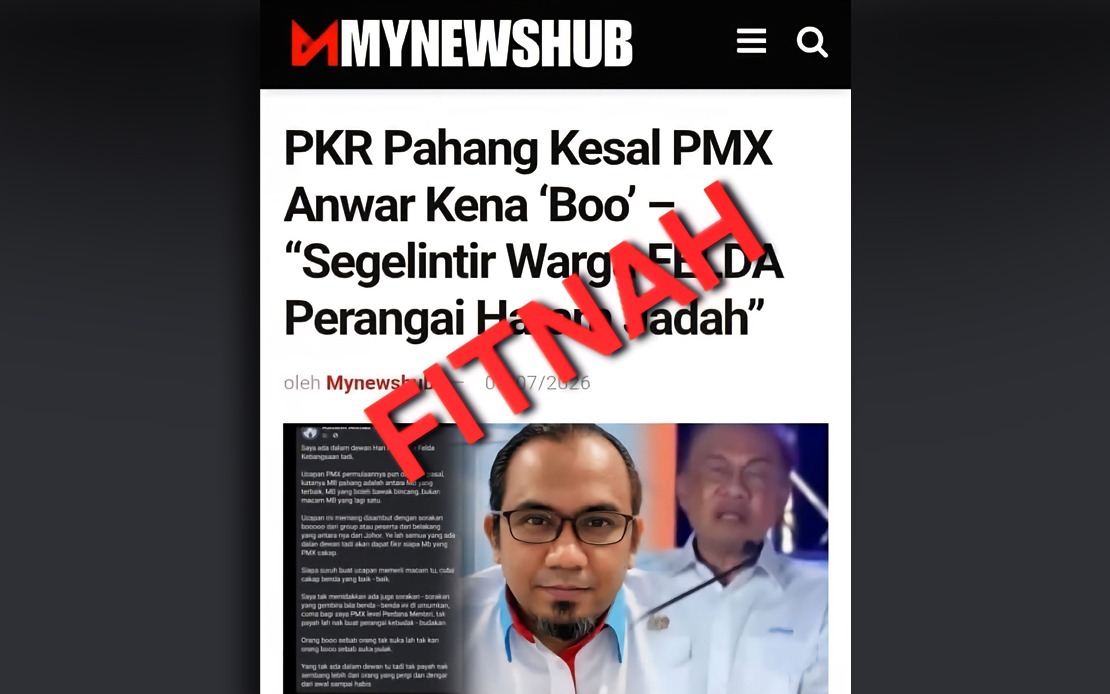
PKR Pahang has issued a categorical denial of reports suggesting that Prime Minister Datuk Seri Anwar Ibrahim experienced a negative response during the Felda Settlers' Day celebration and FELDA's 70th anniversary event held at Stadium Tun Abdul Razak in Jengka. The party's information chief, Datuk Dr Suhaimi Ibrahim, characterized the online account as misleading and fundamentally at odds with what actually transpired at the gathering.
Dr Suhaimi, who personally attended the full duration of the event, provided a starkly different account of the proceedings. He asserted that no such incident occurred and emphasised that the narrative portraying the Prime Minister as having been met with disapproval was a distorted and sensationalised version of events. The characterisation of audience members as having expressed displeasure, he maintained, bore no resemblance to the actual atmosphere during the ceremony.
According to Dr Suhaimi's first-hand account, the gathering was characterised by energy and enthusiasm, with meticulous organisation evident throughout. The attendance figures were substantial, with tens of thousands of FELDA settlers present to participate in the dual celebration. Rather than any sign of tension, the information chief reported that the audience responded positively and with applause whenever announcements relating to settler welfare and development initiatives were made by the Prime Minister.
PKR Pahang expressed particular concern about the misuse of the party's name in the misleading report. Dr Suhaimi underscored that the party had not issued any statement of the nature described in the online account, nor had it employed language that could reasonably be characterised as derogatory towards the FELDA community. He contended that attributing such a statement to PKR Pahang was both irresponsible and damaging to the party's credibility and public standing.
The party official went further in his critique, suggesting that the false attribution and sensationalised reporting represented a deliberate attempt to shape political narratives rather than serve the basic function of journalism. He called this approach fundamentally at odds with standards of fairness and ethical reporting practices that news organisations should uphold.
In response to the incident, Dr Suhaimi made a broader appeal to multiple stakeholder groups. He urged journalists, digital media operators, and social media users to exercise greater diligence in verifying information before publication or sharing. This call reflected growing concerns across the political landscape about the rapid dissemination of unverified claims through digital channels, which can inflame public perception and damage reputations without factual foundation.
The FELDA event itself marked a significant occasion for the federal land development authority and its beneficiaries. Prime Minister Anwar took the opportunity to unveil seven new incentive measures designed to enhance both the economic development prospects and overall welfare standards within the FELDA settler community. These announcements formed the substantive focus of the gathering and were met with positive reception according to witnesses at the event.
This episode highlights the persistent tension in Malaysian political discourse between official statements and online reporting, particularly through unattributed sources and less regulated digital news platforms. The incident underscores how quickly unverified claims can circulate and gain traction, potentially undermining public trust in both political figures and media institutions. The rapid dissemination of such narratives across social media, without adequate fact-checking mechanisms, poses a broader challenge to the integrity of public information.
For FELDA settlers and their representatives, the contradiction between competing narratives about the July 7 event presents a familiar challenge in contemporary Malaysian politics, where the same public event can be characterised in dramatically different ways depending on political perspective and media outlet. The credibility stakes are particularly high for settler communities, whose support remains crucial to any government's electoral prospects, making accurate reporting about their reception of government initiatives essential.
The incident also reflects the heightened sensitivity surrounding public events involving senior government figures, where footage and eyewitness accounts can be selectively interpreted or presented to support particular political agendas. Dr Suhaimi's emphasis on his direct observation of the entire programme serves as a counter to the online report, though the broader challenge of establishing a shared factual foundation for public discourse remains unresolved.
Moving forward, this episode is likely to further intensify debates about media responsibility and the need for more rigorous standards of verification in an era where information travels faster than fact-checking mechanisms can operate. For mainstream news organisations reporting on political events and public reactions, the incident serves as a reminder of the reputational risks associated with relying on unattributed sources or inadequately verified claims about public sentiment.

