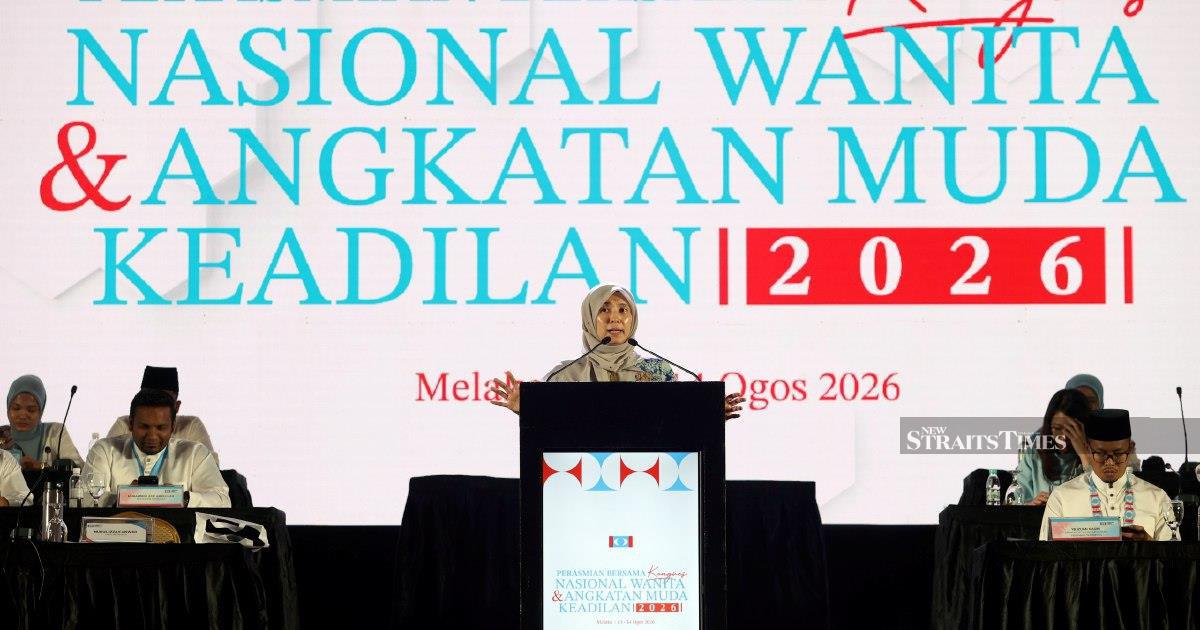
PKR's deputy president Nurul Izzah Anwar has stressed the necessity for her party to articulate explicit ethical boundaries that cannot be crossed, even in pursuit of political gains or during coalition negotiations. Speaking at Ayer Keroh, Nurul Izzah emphasised that while political compromise forms an essential part of democratic governance, such flexibility must never serve as a pretext for tolerating corruption, the misuse of state power, or other forms of wrongdoing.
Her remarks come at a critical juncture for PKR, which continues to navigate the complex landscape of Malaysian coalition politics following the 2022 general election. The party, as a significant component of the Pakatan Harapan alliance, faces ongoing pressure to balance ideological commitments with the practical necessities of maintaining political relevance and partnership arrangements. Nurul Izzah's intervention suggests growing internal recognition that such balancing acts risk compromising the party's foundational reform agenda.
The concept of defining "red lines" in Malaysian politics carries particular significance given the nation's history with political corruption and abuse of executive power. For decades, opposition parties have positioned themselves as ethical alternatives to incumbent coalitions, often gaining electoral traction by emphasising their commitment to clean governance and institutional accountability. PKR, which emerged from reformist movements and has long campaigned on anti-corruption platforms, faces an inherent tension between this ideological positioning and the pragmatic demands of governance participation.
Nurul Izzah's statement reflects a broader debate within progressive political movements across Southeast Asia about maintaining integrity while operating within existing power structures. The challenge is particularly acute for parties like PKR that have transitioned from purely oppositional roles to become participants in government coalitions. This shift inevitably creates scenarios where members must decide whether supporting coalition partners on certain issues constitutes acceptable political compromise or inappropriate moral compromise.
The deputy president's emphasis on preventing corruption and abuse of power from becoming normalised through political expedience speaks to specific concerns within PKR ranks. These concerns likely stem from various incidents where coalition partners' actions or governance decisions have drawn criticism from civil society organisations and party activists alike. By articulating the need for clear boundaries, Nurul Izzah appears to be signalling that PKR must become more vocal and principled in opposing misdeeds, regardless of political consequences.
For Malaysian voters who view PKR as part of the reform movement, such statements offer reassurance that the party retains commitment to its original mission. However, sceptics might view these declarations as somewhat performative—articulated when internal pressures mount but potentially difficult to enforce when political interests conflict. The credibility of Nurul Izzah's call ultimately depends on whether PKR demonstrates willingness to translate such principles into concrete action, including taking positions that might strain coalition relationships.
The timing of these remarks also warrants consideration within the context of Malaysian politics' current trajectory. The country has experienced oscillating periods of reform momentum and political stagnation, with civil society frequently questioning whether ruling coalitions genuinely prioritise accountability. PKR's positioning as a party that will maintain ethical standards even under political pressure could prove electorally valuable, particularly among younger voters and urban constituencies increasingly demanding clean governance.
Regionally, Nurul Izzah's statement resonates with broader conversations occurring across Southeast Asia regarding political integrity. Countries throughout the region continue grappling with corruption challenges and questions about whether democratic transitions genuinely produce cleaner governance. PKR's experience and choices will be observed by reform movements in neighbouring democracies as a test case for whether parties can maintain anti-corruption credentials while operating within complex political coalitions.
The challenge of defining and enforcing red lines extends beyond symbolic statements to practical governance scenarios. PKR members and supporters will scrutinise how the party responds to future situations where coalition partners face corruption allegations, where development decisions benefit connected interests, or where governance choices appear to prioritise political convenience over institutional integrity. These real-world tests will ultimately determine whether Nurul Izzah's call for explicit boundaries translates into substantive political behaviour.
Moving forward, PKR faces the task of converting these principles into a coherent framework that members can apply to specific situations. This might involve establishing formal mechanisms for evaluating coalition proposals against ethical criteria, creating transparent processes for internal accountability, and demonstrating willingness to criticise allies when governance standards are breached. Such institutional approaches would move beyond rhetorical commitments to establishing genuinely enforceable standards.
For Malaysian voters watching PKR's trajectory, the relevant question becomes whether the party will maintain independence and moral authority within coalition arrangements, or whether it will gradually accommodate practices that contradict its founding reform principles. Nurul Izzah's intervention suggests at least a segment within party leadership recognises this tension and seeks to address it proactively. Whether this results in tangible reforms to internal party culture and decision-making processes will ultimately determine PKR's credibility as a force for clean governance in Malaysian politics.

