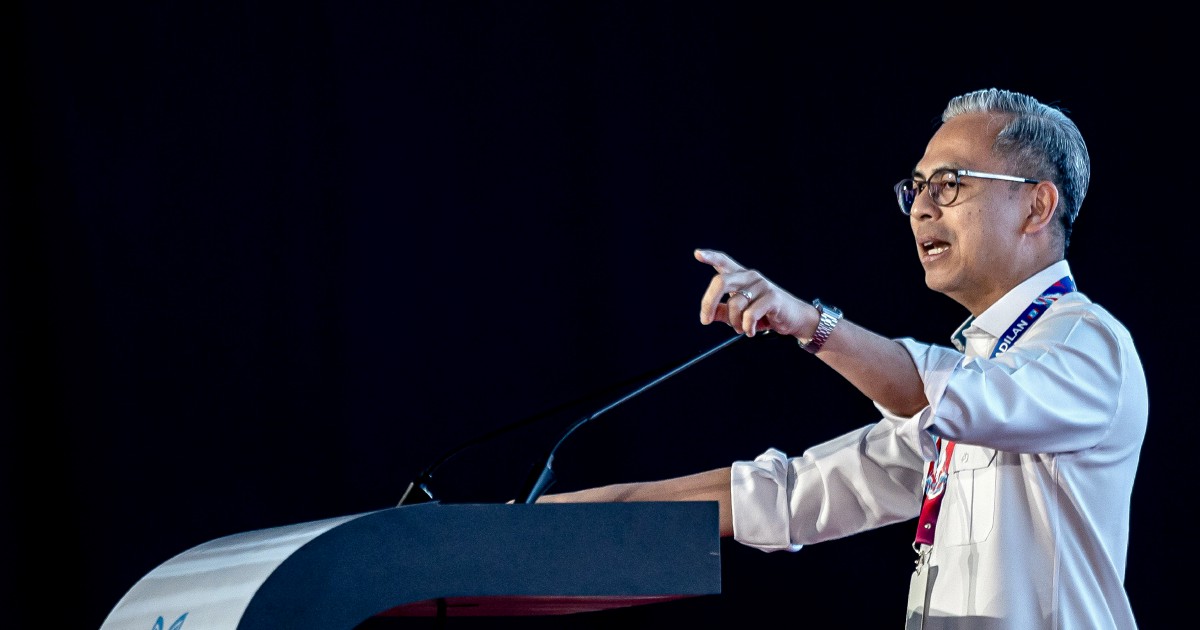
PKR's leadership has been cautioned that electoral success depends on tackling the immediate financial anxieties of ordinary Malaysians rather than celebrating headline economic statistics. Speaking at Ayer Keroh, party information chief Datuk Seri Fahmi Fadzil stressed that robust macroeconomic performance alone insufficient to sway voters who struggle with daily expenses. The message reflects a growing awareness within the ruling coalition that government messaging must shift from celebrating growth rates and GDP figures towards demonstrating tangible improvements in household purchasing power and affordability.
Fahmi's remarks underscore a critical vulnerability in the current political messaging strategy. While Malaysian economic indicators may show resilience and expansion at the aggregate level, a substantial proportion of the electorate experiences persistent financial strain. Groceries, utilities, transport, and housing costs continue climbing faster than wage growth for many households, creating a disconnect between official economic narratives and lived experience. This gap between macroeconomic performance and microeconomic reality has plagued governments worldwide and poses an acute challenge for ruling parties seeking re-election.
The broader context involves Malaysia's evolving economic landscape post-pandemic. The country has navigated inflation pressures, currency fluctuations, and supply chain disruptions that have squeezed household budgets across income brackets. Middle-class Malaysians particularly feel caught between rising living standards expectations and constrained disposable income. Food prices, fuel costs, and accommodation expenses have become political flashpoints, with opposition parties effectively capitalising on public frustration regardless of national growth trajectories.
Fahmi's intervention suggests PKR recognises that economic messaging requires granular focus on real-world impacts rather than aggregate indicators. Government policies creating employment, controlling inflation, subsidising essentials, or expanding social safety nets resonate more powerfully with voters than announcements of quarterly GDP growth or foreign direct investment inflows. The party appears to be recalibrating its communication strategy to emphasise concrete policy outcomes that tangibly improve household economics.
This strategic pivot carries significant implications for coalition dynamics. Pakatan Harapan's electoral base includes urban professionals, rural communities, and young voters with diverse economic concerns. Some prioritise job creation and wage growth; others focus on subsidy regimes, housing affordability, or healthcare costs. A one-dimensional message centred on national economic growth risks alienating constituencies experiencing genuine hardship despite positive headline figures. PKR's call for bread-and-butter focus represents an attempt to build a more inclusive political coalition grounded in populist economic concerns.
Regionally, the warning reflects trends across Southeast Asia where ruling parties face backlash over cost-of-living issues despite solid macroeconomic fundamentals. Indonesia, Thailand, and the Philippines have witnessed similar patterns where government credibility depends on demonstrating commitment to inflation control and household affordability rather than simply pointing to investment statistics. Malaysian policymakers appear cognisant of these regional precedents and the electoral risks of appearing disconnected from public economic anxieties.
The challenge intensifies as Malaysia approaches key electoral cycles. State elections and eventual federal elections will likely turn on voters' perceptions of their personal financial wellbeing. Opposition parties will undoubtedly hammer messaging around affordability, wages, and living costs, making it imperative for the ruling coalition to demonstrate concrete improvements in these domains. Fahmi's comments suggest PKR intends to refocus government messaging and policy priorities accordingly, moving beyond technocratic economic announcements towards voter-centric narratives about household improvement.
Implementing this strategic reorientation requires coordination across multiple government levels. Federal agencies must align on messaging emphasising cost-control measures, targeted subsidies, wage support programmes, and affordability initiatives. State governments under PKR leadership must demonstrate commitment to these priorities through budget allocations and policy announcements. Coalition partners need to amplify complementary messaging about living standards improvement. Without coordinated implementation, Fahmi's warning risks becoming mere rhetoric that fails to move voter perceptions or financial outcomes.
The underlying message also reflects generational understanding within PKR leadership. Fahmi represents a cohort of politicians who recognise that traditional economic appeals based on growth statistics and development indicators hold diminishing electoral returns. Contemporary voters, particularly younger generations shaped by economic instability and constrained opportunities, demand evidence of genuine improvement in their material circumstances. Demonstrating salary growth, housing affordability, or food price stability provides more compelling evidence than GDP expansion figures.
Moving forward, expect PKR and the broader Pakatan Harapan coalition to intensify focus on specific, measurable policies addressing cost-of-living pressures. These might include renewed subsidy programmes, rent control measures, public transportation investment, or wage enhancement initiatives. The party will likely develop more granular economic narratives tailored to different constituencies—emphasising job creation to youth, healthcare affordability to seniors, and educational costs to families with children. This segmented approach represents a maturation of political communication strategy that Fahmi's remarks explicitly endorse.

