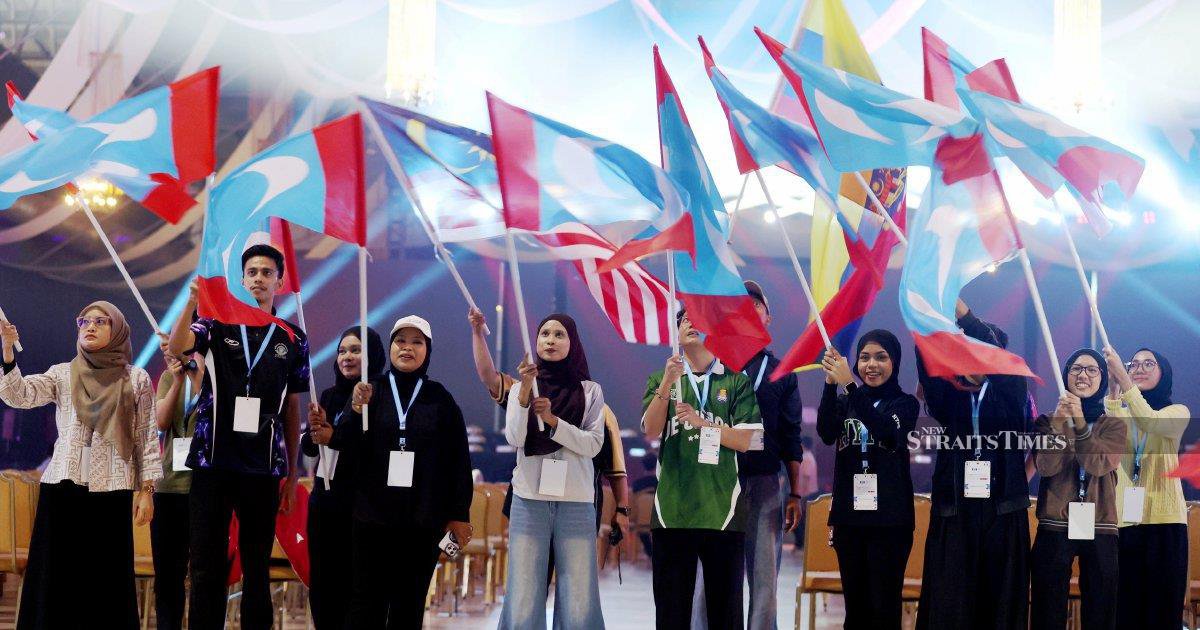
The People's Justice Party (PKR) convenes its congress at the Melaka International Trade Centre in Ayer Keroh today, arriving at a particularly vulnerable moment in its political trajectory. The gathering of party delegates takes place against the backdrop of disappointing electoral performances in recent state polls and a deteriorating internal environment marked by significant organisational tensions. These converging pressures have amplified scrutiny of the party's leadership and raised fundamental questions about its ability to maintain cohesion and electoral credibility in Malaysia's increasingly fragmented political landscape.
The party's recent setbacks in Johor and Negri Sembilan represent more than routine electoral losses. Both states hold strategic importance within PKR's broader regional ambitions and organisational footprint. The defeats have been interpreted by political observers as symptomatic of deeper structural challenges within the party, including weakening grassroots mobilisation capacity and difficulty in articulating a compelling political message that resonates with voters across diverse demographic and geographic constituencies. These results have consequently emboldened critics within party ranks who question the effectiveness of the current leadership approach and strategic direction.
Internal divisions within PKR have intensified considerably over recent months, manifesting in public disagreements between senior figures and competing visions for the party's future positioning. These factional disputes extend beyond simple personality conflicts; they reflect genuine ideological and strategic differences about how the party should navigate Malaysia's complex coalition politics, manage its relationship with other Pakatan Harapan components, and allocate resources between competing priorities. The visibility of these internal tensions has eroded party discipline and created an impression of disorganisation that has not been lost on either supporters or political opponents.
For Malaysian political observers and regional analysts, PKR's predicament carries broader implications for the stability and viability of the Pakatan Harapan coalition itself. PKR has positioned itself as a crucial bridge across the coalition's diverse membership, and internal weakness directly undermines its ability to perform this critical function. The party's struggles also invite scrutiny of coalition dynamics more generally, particularly whether Pakatan Harapan possesses sufficient institutional strength and strategic coherence to mount effective challenges to Barisan Nasional and other rival coalitions in forthcoming elections.
The timing of this congress is particularly significant. Rather than representing a moment of internal consolidation or strategic planning, the gathering now carries the weight of accountability and difficult conversations about party direction. Delegates will scrutinise leadership performance and press for responses to electoral disappointing results and explanations regarding internal disputes. The congress potentially offers an opportunity to reset party messaging and recommit fractious elements around shared objectives, though success is far from guaranteed given existing tensions.
Regional context matters considerably here. Southeast Asia has witnessed multiple instances of political parties experiencing simultaneous electoral reverses and internal fragmentation, often signalling deeper vulnerabilities in party structure and voter attachment. Malaysia's domestic political environment presents particular challenges: rapid shifts in voter sentiment, ethnic and religious complexities, and the rise of smaller competitor parties all demand sophisticated organisational response. PKR's current struggles suggest insufficient adaptation to these dynamics.
The congress agenda will inevitably be dominated by discussion of these challenges rather than forward-looking strategic initiatives. Delegates will demand accountability regarding resource allocation, candidate selection processes, and campaign strategies that yielded disappointing results. Leadership responses to these questions will shape party trajectory over coming months and potentially influence broader coalition stability. The party cannot afford to dismiss these concerns or impose unity through top-down mechanisms; doing so would likely deepen existing divisions and further alienate dissatisfied members.
External political actors are watching this congress with considerable interest. Rival coalitions see vulnerability to exploit, potentially poaching disaffected PKR members or targeting marginal constituencies where party organisation has visibly weakened. International observers monitoring Malaysian political developments similarly note that PKR's difficulties contribute to broader questions about institutional strength within the opposition bloc and Malaysia's overall democratic capacity for effective political competition.
PKR's position within Pakatan Harapan also complicates its congress calculations. The party cannot address internal challenges in isolation without considering broader coalition interests. This constraint limits the scope for radical organisational restructuring or leadership changes that might otherwise be contemplated in response to electoral defeats. Coalition dynamics therefore become an additional factor shaping congress outcomes and the party's ability to implement meaningful reform.
Moving forward, PKR faces the dual challenge of restoring internal cohesion while simultaneously rebuilding electoral credibility. This congress represents an essential first step in acknowledging problems and beginning the long process of organisational renewal. Success will require not merely rhetorical acknowledgement of difficulties but concrete commitments to address identified weaknesses in party structure, campaign capacity, and leadership effectiveness. The next weeks will reveal whether this congress represents genuine turning point or merely a temporary pause in an accelerating decline.

