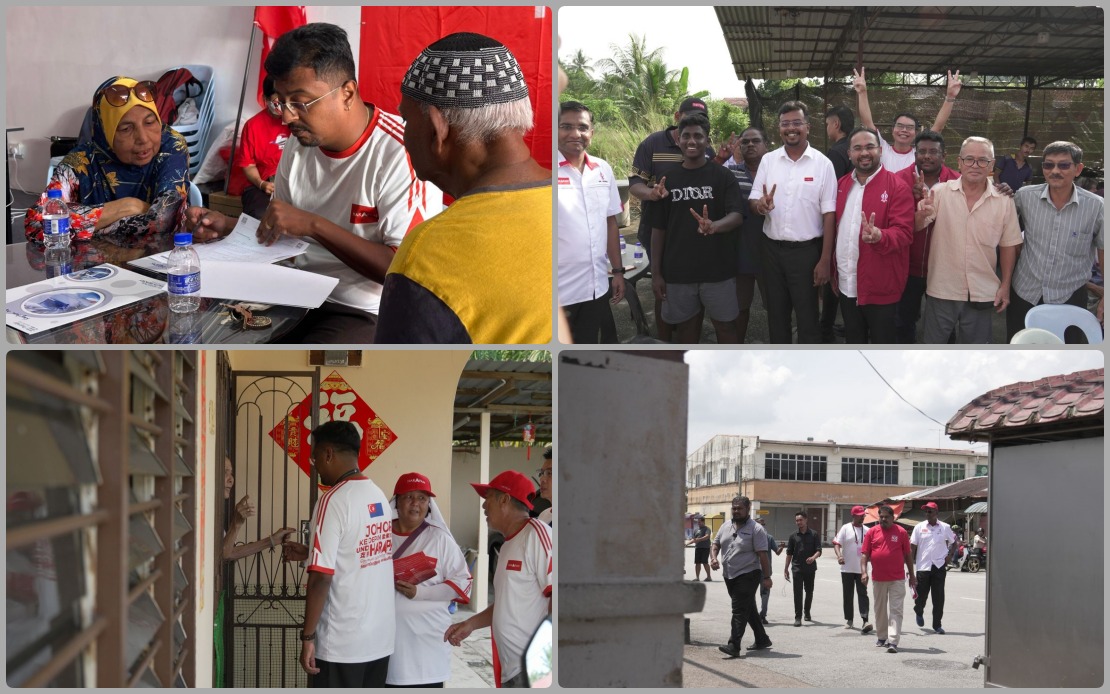
Dr. A. Ruban, the Pakatan Harapan candidate seeking to represent the Paloh state assembly constituency, was admitted to hospital in Batu Pahat on July 7 following a recurrence of chronic spinal problems that worsened during the ongoing campaign. The medical intervention became necessary after he experienced significant pain and mobility restrictions that developed overnight, forcing him to step back from active campaigning just four days before Johor voters head to the polls.
Abdul Majid Abd Aziz, serving as Dr. Ruban's campaign manager, disclosed the hospitalisation to news outlets and characterised the situation as a temporary setback rather than a grave medical emergency. According to Abdul Majid, the candidate had endured persistent discomfort throughout the morning that substantially limited his ability to move, ultimately necessitating immediate medical attention at the Batu Pahat facility.
The underlying cause traces back to a longstanding spinal condition that has affected Dr. Ruban for some time. He had previously undergone surgical intervention to address these structural issues, yet the symptoms have resurfaced during the intensive demands of the current electoral campaign. Abdul Majid attributed the relapse partly to the gruelling schedule and physical exertion required for ground-level campaigning, as candidates typically undertake numerous walkabouts through constituencies to connect directly with voters.
The strenuous nature of electoral campaigns in Malaysia, particularly during state-level contests, places considerable physical demands on candidates who must maintain high visibility across their assigned constituencies. Extensive face-to-face engagement with voters, coupled with frequent movement between different areas and sustained standing during public events, can aggravate pre-existing health vulnerabilities. For candidates with histories of musculoskeletal problems, the cumulative toll of such activities can trigger acute episodes requiring medical intervention.
Despite the setback, Abdul Majid sought to reassure supporters and the broader electorate that Dr. Ruban's condition remains manageable and non-threatening. He indicated that the candidate's prognosis is favourable, with hospital officials anticipating discharge within one to two days pending his recovery trajectory. This timeline would potentially allow him to resume some level of campaign participation ahead of the July 11 polling date, though his capacity for extensive ground activities may remain constrained.
The interruption to Dr. Ruban's direct participation does not necessarily translate into a complete cessation of campaign operations in the Paloh constituency. Abdul Majid committed to ensuring that the broader Pakatan Harapan machinery would maintain active engagement with voters throughout the period of his medical treatment. The campaign apparatus intends to continue disseminating Dr. Ruban's policy platform and electoral messages through alternative means, including surrogate campaigners and direct outreach programmes that do not require the candidate's personal presence.
The Paloh contest has emerged as a closely watched four-way fight that reflects broader electoral dynamics playing out across Johor. Dr. Ruban faces competition from D. Jeevakumar representing Perikatan Nasional, independent candidate G. Kamaleswaren, and the incumbent Lee Ting Han of Barisan Nasional. This multi-cornered configuration means that vote fragmentation could prove decisive, and maintaining voter engagement during the final campaign period remains crucial for all contestants.
The timing of Dr. Ruban's hospitalisation underscores the physical and psychological pressures that Malaysian political candidates navigate during election cycles. The relatively compressed campaign periods leading up to polling day require sustained intensity from contenders, who must balance promotional activities against the demands of their existing professional and personal responsibilities. For candidates with underlying health conditions, such compressed timelines can precipitate medical crises that force difficult judgments about continuity of participation.
Early voting conducted on July 7 proceeded as scheduled, with the main election set to determine which of the four contenders will secure the Paloh seat in the 16th Johor state election. The timing of Dr. Ruban's hospitalisation, occurring during the early-voting phase, affords him a brief window for recovery before the formal polling day arrives. His campaign team's optimistic assessment regarding his discharge timeline suggests confidence in his ability to contribute meaningfully to final-phase campaign activities, whether through personal participation or coordinated surrogate efforts.
The incident serves as a reminder that electoral contests in Malaysia involve not only political and strategic dimensions but also substantial physical demands on participants. The Paloh race will ultimately be decided by voters weighing candidates' policy offerings, party affiliations, and track records, though the circumstances surrounding candidate health and campaign momentum invariably influence electoral dynamics at the constituency level. The Johor election results on July 11 will provide clarity on whether Dr. Ruban's brief medical interruption affects his electoral prospects in this competitive four-way contest.

