The Philippines, currently serving as chair of the Association of Southeast Asian Nations, is facilitating an informal gathering of foreign ministers from across the bloc alongside Myanmar's top diplomat in Bangkok on Sunday, July 12. This diplomatic initiative comes under the auspices of the Department of Foreign Affairs and represents a significant moment in ASEAN's ongoing efforts to maintain dialogue with its troubled member state. Myanmar will send U Tin Maung Swe, its foreign minister, to participate in what promises to be a closely watched diplomatic engagement.
The significance of this meeting lies primarily in its timing and format. This will be the first direct in-person interaction between Myanmar's foreign minister and the collective foreign ministers of ASEAN since the military coup that upended the country's political system in February 2021. Over three years have elapsed since that seismic event, and while ASEAN has maintained formal ties with Myanmar, the relationship has remained deeply strained by the junta's crackdown on dissent and the ongoing humanitarian crisis engulfing the nation.
The informal nature of the Bangkok consultation reflects ASEAN's characteristic diplomatic approach—favouring dialogue and engagement over confrontation, even when member states face severe internal instability. The DFA statement emphasises that Myanmar continues to hold an integral position within the ASEAN community despite the profound political upheaval at home. This reaffirmation of Myanmar's membership, though implicit, carries weight in a region where stability and consensus remain prized values.
During the meeting, foreign ministers are expected to hear directly from U Tin Maung Swe about the current state of affairs within Myanmar. This briefing opportunity allows ASEAN governments to obtain first-hand accounts of developments on the ground, ranging from the humanitarian situation to security conditions. For nations across Southeast Asia with significant interests in Myanmar's stability, such direct communication channels remain crucial for understanding the trajectory of the country and assessing the efficacy of international engagement strategies.
The discussion framework is anchored in ASEAN's Five-Point Consensus, a framework adopted in April 2021 that sought to guide the bloc's response to Myanmar's political crisis. The consensus emphasises several key objectives: an immediate cessation of violence, the facilitation of constructive dialogue among conflicting parties, the provision of humanitarian assistance, and mediation efforts by an ASEAN envoy. These principles have shaped the organisation's public messaging and diplomatic objectives regarding Myanmar for over two years.
Foreign ministers will specifically focus on potential concrete measures through which Myanmar might address international concerns about violence, foster meaningful dialogue between the military administration and opposition forces, and expand humanitarian access to vulnerable populations. Myanmar faces accusations of widespread human rights violations and has been criticised for restricting aid delivery to conflict-affected regions. The informal meeting provides an opportunity for ASEAN capitals to convey their expectations regarding these critical issues without the formal rigidity that might characterise official state visits or bilateral negotiations.
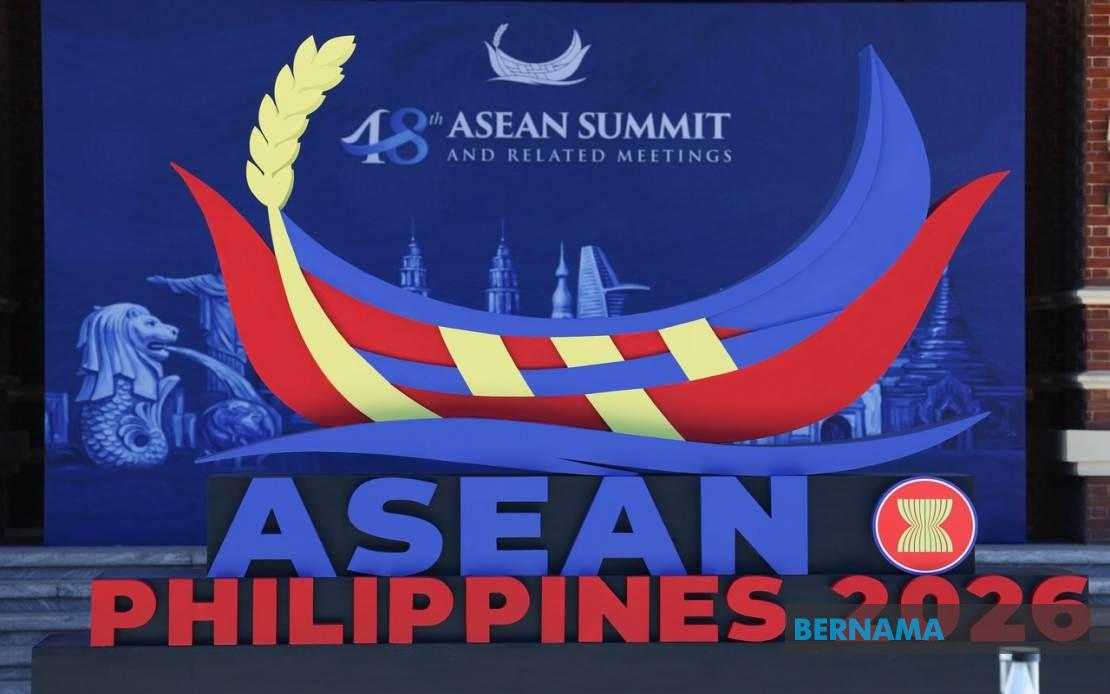
This initiative draws authority from decisions made during the 48th ASEAN Summit, held in Cebu, Philippines earlier this year. At that gathering, ASEAN's leaders explicitly tasked their foreign ministers with pursuing continued constructive engagement with Myanmar whilst maintaining unwavering commitment to the Five-Point Consensus framework. The distinction between constructive engagement and principled diplomacy reflects the delicate balancing act ASEAN performs—maintaining dialogue while expressing concern about the junta's conduct and policies.
For Malaysia and other Southeast Asian nations, the meeting carries particular relevance given the regional implications of Myanmar's instability. Cross-border displacement, transnational criminal activity, and regional security concerns all stem from the ongoing crisis in Myanmar. Malaysia, which hosts significant Rohingya refugee populations and shares maritime boundaries with Myanmar, has vested interests in seeing progress toward stability and humanitarian access. ASEAN's collective voice, conveyed through this Bangkok meeting, represents the bloc's effort to influence Myanmar's trajectory.
The Philippines' role as chair positions Manila as a key architect of ASEAN's Myanmar strategy during a critical juncture. By convening this informal consultation, the Philippine leadership demonstrates commitment to maintaining ASEAN unity and demonstrating to Myanmar that the bloc remains engaged despite the country's isolation internationally. This diplomatic outreach reflects the broader ASEAN philosophy that maintaining dialogue creates better conditions for eventual resolution than imposing sanctions or isolation, an approach that distinguishes the bloc from many Western nations' responses to Myanmar.
The meeting also signals to Myanmar's military leadership that ASEAN is willing to work with its administration, provided genuine progress occurs on the Five-Point Consensus objectives. This carrot-and-stick approach aims to incentivise cooperative behaviour whilst preserving ASEAN's stated principles. However, observers of Myanmar's trajectory over the past three years note that the junta has demonstrated limited willingness to implement the consensus framework, suggesting that foreign ministers may face challenging conversations regarding implementation timelines and concrete outcomes.
For the broader Southeast Asian region, this meeting represents a test of ASEAN's coherence and influence. The bloc's ability to marshal collective pressure on Myanmar whilst maintaining its non-interference traditions remains contested. Some ASEAN members, particularly those with closer ties to Myanmar, may resist stronger criticism, whilst others advocate for more robust responses to the humanitarian crisis. The informal Bangkok meeting may help gauge whether any consensus exists on escalating or reframing ASEAN's approach to its wayward member.
Looking ahead, the outcomes of this consultation could shape ASEAN's Myanmar strategy for the remainder of 2024 and beyond. Whether the meeting yields concrete commitments from Myanmar on violence cessation, humanitarian access, or dialogue facilitation remains to be seen. Regardless, the gathering reaffirms that ASEAN continues to prioritise engagement with Myanmar, maintaining hope that dialogue might ultimately contribute to de-escalation and political progress.

