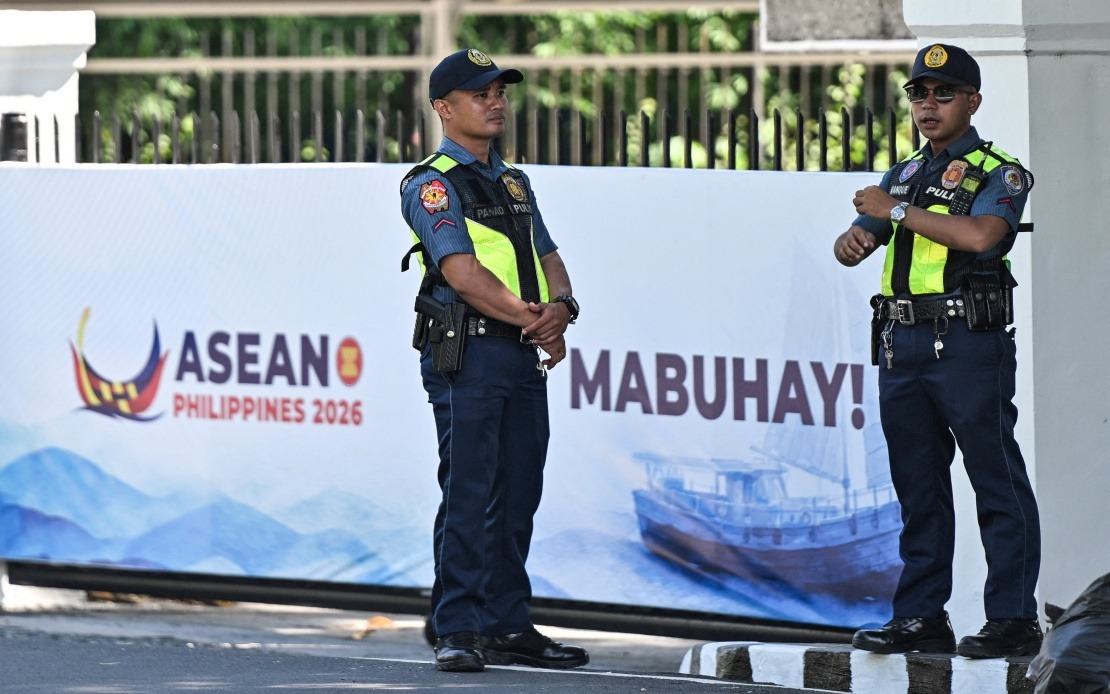
The Philippines is steering high-level discussions on regional security, human rights protection, and geopolitical developments as it chairs the 59th ASEAN Foreign Ministers' Meeting and Related Meetings this week. Spanning from July 20 to 24 in Manila, the gathering brings together Southeast Asia's diplomatic leadership to chart the course for one of the world's most strategically significant regions. Foreign Affairs Assistant Secretary Dominic Xavier Imperial, serving as ASEAN Spokesperson, explained that the week-long programme aims to advance key development priorities while strengthening the community's collective identity during a period of global instability.
The agenda reflects ASEAN's multifaceted challenges and opportunities in the current geopolitical landscape. As a bloc increasingly caught between competing great-power interests and facing internal crises, the meetings signal the organisation's commitment to maintain its relevance and voice amid external pressures. "Building on the momentum we have sustained over the past seven months, these meetings will advance key development priorities and further reinforce ASEAN community identity," Imperial stated. This emphasis on continuity and community consolidation underscores ASEAN's strategy of deepening internal cohesion as a counterweight to external pressures.
Human rights advocacy gained prominence early in the proceedings with the 16th face-to-face interface between ASEAN Foreign Ministers and the ASEAN Intergovernmental Commission on Human Rights. This dialogue mechanism, which has evolved over the years despite initial reluctance from some member states, reflects growing recognition within the bloc that human rights protections are integral to regional stability. Imperial emphasised that the engagement "underscores the commitment of ASEAN towards advancing the promotion and protection of human rights and fundamental freedoms for all peoples of the region, especially those in vulnerable situations." The interface represents a delicate balancing act between respecting state sovereignty, a founding principle of ASEAN, and addressing documented abuses and protection gaps across the region.
Nuclear security emerged as another substantive priority, with regional ministers convening for the Southeast Asia Nuclear Weapon-Free Zone Commission meeting. The gathering reviewed implementation of the 2023–2027 plan of action and examined whether new candidate states should accede to the treaty's Protocol. The nuclear-free zone, established decades ago, remains a cornerstone of ASEAN's security architecture and a proud achievement of regional diplomacy. Maintaining this status while managing the security concerns of major powers—some of which conduct naval operations through Southeast Asian waters—requires careful diplomacy.
The formal AMM sessions, opening on Tuesday, will bring together foreign ministers alongside the diplomatic corps and resident missions to assess progress across ASEAN's three community pillars: political-security, economic, and socio-cultural. Ministers will evaluate the bloc's external relations and exchange perspectives on pressing global developments affecting Southeast Asia. The anticipated outcome documents include the 59th AMM Joint Communiqué, which will comprehensively reflect regional decisions and positions, and the Guidelines on the Modalities for Engagement of ASEAN with High Contracting Parties to the Treaty of Amity and Cooperation in Southeast Asia.
The guidelines represent a significant deliverable of the Philippine chairmanship, establishing formal procedures for engagement with nations lacking official partnerships with ASEAN. This framework addresses a long-standing gap in ASEAN's external relations architecture. Imperial noted that "the guidelines are intended to strengthen cooperation with these states while upholding the principles of the TAC as the cornerstone of peace, stability, and confidence-building in the region." By formalising such engagement, ASEAN hopes to expand its diplomatic influence and provide structured channels for dialogue with non-aligned and emerging powers seeking closer ties with Southeast Asia.
Post-ministerial conferences with key dialogue partners will occupy Wednesday's agenda, bringing together representatives from India, the United States, Canada, Russia, China, the Republic of Korea, Japan, Australia, New Zealand, the United Kingdom, and the European Union. These bilateral and collective meetings offer opportunities to address regional and global concerns directly with major powers. Imperial characterised such engagements as "a very good opportunity, a venue for the dialogue partners... to address whatever is impacting currently regionally as well as globally." For Southeast Asian nations balancing relationships with competing powers, these conferences provide crucial platforms for expressing regional interests and concerns.
Thursday will see sequential meetings of the 27th ASEAN Plus Three gathering, the 33rd ASEAN Regional Forum, and the 16th East Asia Summit, each representing different formats for multilateral engagement. Together, these mechanisms form a nested architecture of diplomacy designed to address issues ranging from traditional security to transnational challenges. The progression from smaller, more focused groupings to broader forums allows ASEAN to calibrate messages and test consensus before larger gatherings. This diplomatic choreography reflects the bloc's sophisticated understanding of how to navigate complex multilateral environments.
A particularly significant bilateral engagement confirmed during the meetings involves Foreign Affairs Secretary Ma. Theresa Lazaro and Chinese Foreign Minister Wang Yi. Imperial highlighted the importance of this encounter, noting that the Philippines and China will address bilateral relations while considering "the regional impact of what's happening globally to the region." This framing indicates that despite bilateral complexities, both nations recognise the need to manage their relationship within the broader Southeast Asian context. Such high-level interactions set the tone for regional stability and signal the level of diplomatic priority both capitals assign to their engagement.
Two issues are virtually guaranteed to dominate ministerial discussions: the Myanmar crisis and territorial disputes in the South China Sea. The Code of Conduct negotiations in the South China Sea and enforcement of the Five-Point Consensus on Myanmar remain permanent fixtures on ASEAN's agenda. Imperial confirmed that "on the COC, it will always be a part of their discussions. And also on Myanmar, there will be an exchange of views on this issue." The Myanmar situation remains particularly vexing for ASEAN, as the bloc attempts to maintain dialogue with the State Administration Council while supporting democratic stakeholders and addressing humanitarian concerns. This requires diplomatic finesse to avoid appearing complicit with military rule while preserving ASEAN's engagement strategy.
Progress on the South China Sea Code of Conduct represents another long-standing challenge requiring careful navigation. While negotiations have advanced since framework discussions began, fundamental disagreements persist between claimant states and major powers regarding enforcement mechanisms, dispute resolution procedures, and substantive limitations on military activities. The scheduled discussions will likely reflect the slow, incremental progress characteristic of ASEAN's consensus-based approach, with each step carefully calibrated to maintain unity among member states with divergent interests and capabilities.
Engagement strategies toward Myanmar will expand beyond the state apparatus, as Imperial indicated that "engagement continues with not only the [State Administration Council] but also with other Myanmar stakeholders" in pursuit of measurable progress. This multi-track approach acknowledges that sustainable solutions require dialogue with diverse actors within Myanmar's fractured political landscape. ASEAN's challenge lies in maintaining constructive channels while supporting humanitarian objectives and democratic principles, a tension that has strained the bloc's consensus on several occasions.
The week's activities culminate on Friday with a commemorative event marking the Treaty of Amity and Cooperation's 50th anniversary. The TAC, signed in 1976, established the legal and normative foundation for ASEAN engagement with external parties based on mutual respect for sovereignty, non-interference, and peaceful resolution of disputes. Celebrating this milestone amid contemporary challenges serves to reinforce ASEAN's foundational principles while reflecting on how these decades-old commitments remain relevant to addressing modern security dilemmas and great-power competition.

