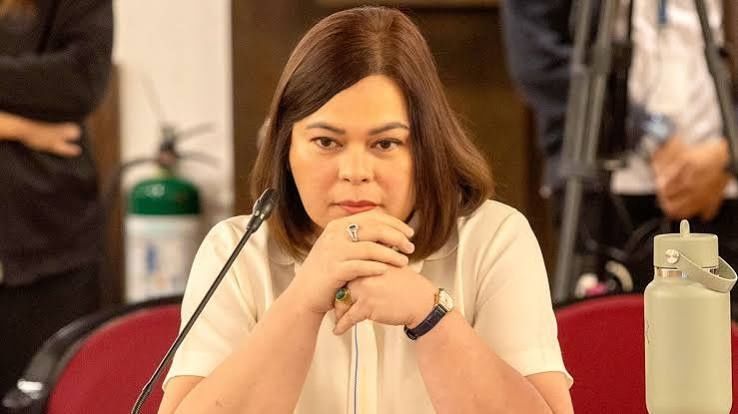
The Philippine political landscape enters turbulent waters as the nation's security apparatus gears up for one of the most significant constitutional proceedings in recent years. The Philippine National Police announced on Friday that it will station approximately 6,000 officers throughout the Senate complex and surrounding areas of Manila to maintain order during Vice President Sara Duterte's impeachment trial, which formally begins on Monday. This substantial security deployment underscores the gravity and sensitivity of the proceedings, reflecting concerns about potential civil disturbance given the high-profile nature of the case and Duterte's prominence in Philippine politics.
The impeachment trial represents a watershed moment for the Philippines' democratic institutions and the separation of powers between the executive and legislative branches. The Senate impeachment court previously issued a directive requiring the vice president to appear before it, either personally or through legal representation, signalling that formal proceedings will proceed as scheduled. Local authorities in Pasay City, where the Senate complex is situated within Metro Manila, have begun preparing infrastructure adjustments, with temporary road closures anticipated from Monday onward to facilitate security operations and manage the anticipated surge in foot traffic.
Sara Duterte, daughter of former President Rodrigo Duterte, currently holds one of the Philippines' most powerful constitutional positions. Her announcement of candidacy for the 2028 presidential election in February this year added another dimension to her political trajectory, positioning her as a potential successor to current President Ferdinand Marcos Jr. The timing of her impeachment proceedings during an active presidential campaign cycle has intensified scrutiny and raised questions about the intersection of electoral politics and institutional accountability mechanisms.
The constitutional framework governing impeachment in the Philippines sets an exceptionally high threshold for conviction, requiring more than two-thirds of senators to vote affirmatively. This supermajority requirement reflects the framers' intent to reserve removal from office for only the most serious breaches of public trust. Should such a majority materialise, Duterte would face immediate removal from the vice presidency and permanent disqualification from holding any public office—a punishment with profound implications for her political future and potential 2028 ambitions.
The Office of the Vice President provided administrative context on Thursday by announcing that it had received an unmodified audit opinion from the Commission on Audit regarding financial statements for calendar year 2025. The COA's assessment indicates that the OVP's financial presentations were fairly represented and aligned with applicable reporting standards. This clean audit opinion, however, operates in a separate legal and constitutional sphere from the impeachment proceedings, which address allegations of a different character unrelated to fiscal management or compliance matters.
For Malaysian observers and broader Southeast Asian readers, the unfolding situation illuminates the complexities of presidential systems in the region, particularly regarding executive accountability and institutional checks. The Philippines' impeachment mechanism, inherited from American constitutional traditions, places significant power in the legislative body to police executive conduct. Unlike parliamentary systems prevalent in Southeast Asia, where a prime minister's tenure depends on legislative confidence, presidential systems require explicit impeachment machinery to address executive wrongdoing—a less efficient but arguably more protective mechanism against arbitrary legislative overthrow.
The scale of the police deployment—6,000 officers—reflects practical experience from previous high-stakes political events in the Philippines and anticipates the possibility of competing political demonstrations. Duterte maintains substantial support networks among certain constituencies, while her opponents view the impeachment as essential accountability. The security operation will need to balance free expression and assembly rights with maintaining decorum befitting a formal constitutional proceeding.
The international community watches these developments closely, as the Philippines holds significant strategic importance in regional geopolitics and maintains substantial economic and security partnerships throughout Southeast Asia and beyond. The stability and perceived legitimacy of the impeachment process will signal the health of Philippine democratic institutions to both domestic observers and external partners. A contested or chaotic trial could undermine confidence in the judiciary's independence and the Senate's impartiality.
The implications extend beyond the immediate question of Sara Duterte's political future. The impeachment trial will test whether the Senate can function as an impartial body despite enormous political pressures and competing partisan interests. The two-thirds supermajority requirement, while ensuring that conviction requires genuine bipartisan consensus, simultaneously complicates proceedings by forcing negotiation across factional lines and reducing the likelihood of conviction unless charges are overwhelming.
As Monday approaches and the formal trial machinery activates, the Philippine system confronts the challenging intersection of constitutional law, political ambition, and institutional legitimacy. The presence of 6,000 police officers serves as a visible reminder that even established democracies require substantial management to navigate moments of constitutional stress. The outcomes of the coming weeks will shape not merely Sara Duterte's trajectory but broader perceptions of the Philippines' capacity to hold its highest officials accountable through lawful, institutionalised procedures—a matter of genuine consequence for democratic governance throughout the region.

