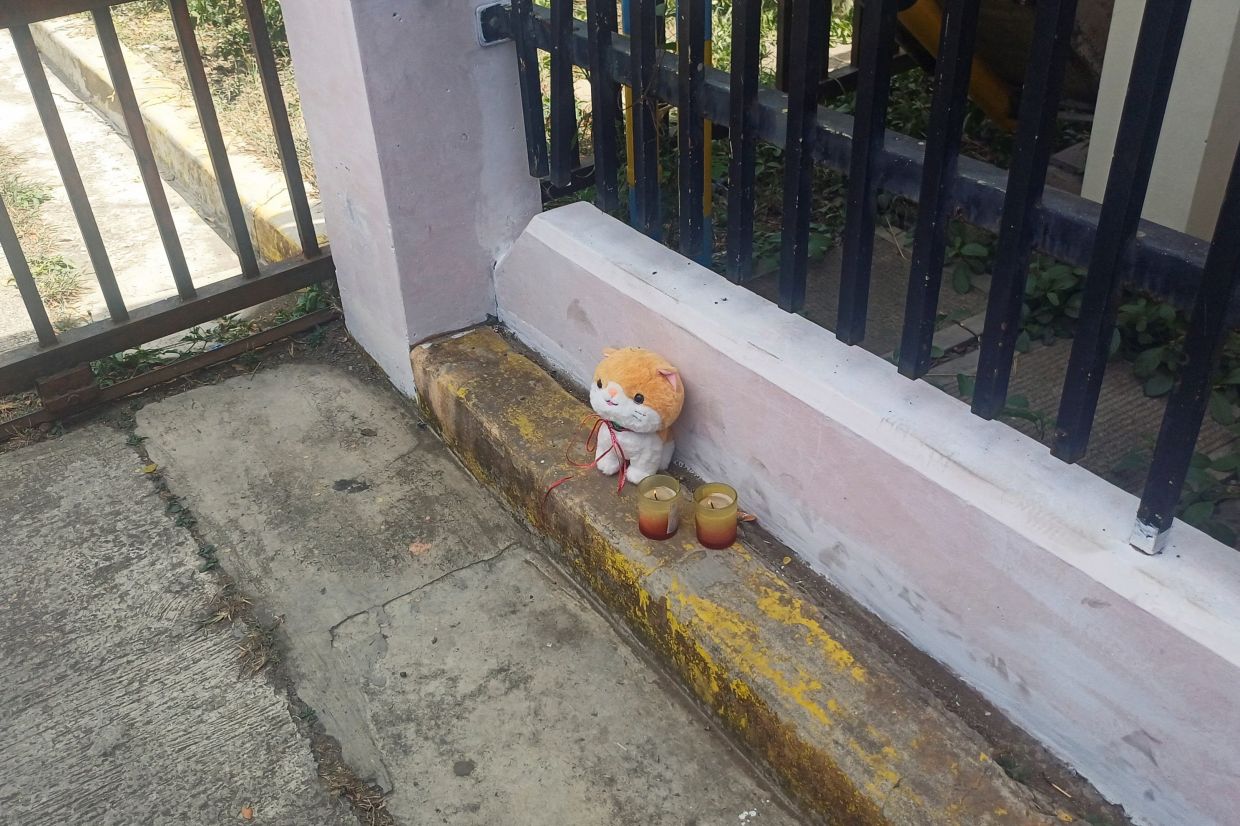
The death of two students in a shooting at Ateneo de Zamboanga University has forced Philippine authorities and lawmakers to confront uncomfortable questions about how a high-performing student could carry out such an attack and livestream it to the world, raising fresh concerns about the intersection of youth access to social platforms and unsecured firearms within homes. The incident on 18 August marks the second such tragedy in less than two months, signalling a troubling pattern that demands immediate policy responses across multiple fronts, from technology regulation to firearm management.
Education Secretary Sonny Angara expressed shock that the Grade 8 shooter did not present obvious warning signs to teachers or school administrators at the Zamboanga City campus. The student maintained a strong academic record and was not flagged by educators as having behavioural or emotional problems—a reality that underscores how traditional assessment methods in schools may fail to detect critical psychological deterioration or ideological radicalisation. Angara's acknowledgment that the student "was not considered a problematic student" highlights the blind spots that institutions face when monitoring student welfare in the digital age, where concerning thoughts and plans may be expressed primarily online rather than in classrooms or counselling offices.
The tragic event has crystallised concerns about the adequacy of current school safety infrastructure. While Angara acknowledged the importance of physical security measures such as fencing, closed-circuit television systems, and metal detectors, he argued forcefully that these alone cannot prevent determined individuals from causing harm. Instead, he stressed the need for proactive community engagement and early intervention, suggesting that meaningful connections between educators and students may serve as the most effective deterrent to violence. His remarks reflect a philosophical shift away from purely defensive security architecture toward a more holistic, relationship-based approach to school safety that emphasises human connection and psychological support.
One of the most troubling aspects of the attack is that the shooter utilisé a body-worn camera to livestream the violence, transforming the incident into a real-time spectacle distributed across social media networks. This technological dimension has prompted Senate President Sherwin Gatchalian to champion legislation that would impose a blanket prohibition on social media use by children under 16 years of age. Gatchalian's argument centres on the hypothesis that widespread circulation of graphic footage and violent imagery normalises such behaviour among young people and potentially inspires copycat attacks—a concern that reflects international research on the contagion effect of mass violence coverage.
The livestreaming dimension of the attack raises profound questions about the responsibility of technology platforms in moderating content that glorifies violence or that is produced by minors. The rapid dissemination of disturbing imagery through group chats and social networks has compounded parental anxiety and confusion, as Claire, a parent of a student at another campus, observed. Her point about the absence of ratings systems for social media content, despite the existence of formal mechanisms for television and cinema, exposes a regulatory gap that has widened as digital platforms have become the primary information source for young Filipinos.
Simultaneously, investigators are working to determine how the Grade 8 student accessed firearms belonging to his father, including a .40-caliber pistol that had been issued by the Bureau of Customs. Police discovered the shooter dead from a self-inflicted gunshot wound on the fifth floor of the school building, indicating he had moved from the fourth floor where the initial shooting occurred. The fact that a minor was able to obtain a customs-issued firearm from a family member's possession suggests serious gaps in how households with licensed firearms store and secure weapons, particularly when adolescents or young adults are present.
Interior Secretary Jonvic Remulla has proposed strengthening penalties for gun owners whose weapons are accessed by minors, a measure designed to incentivise more responsible storage practices among licensed firearm holders. Simultaneously, he has called for comprehensive review of existing firearms legislation to address the problem of loose weapons circulating in communities. These proposals reflect recognition that gun violence prevention requires not only restricting access at the point of sale but also ensuring that licensed owners maintain security protocols that prevent family members—particularly young people—from acquiring weapons without authorisation.
The investigation into the shooting's origins remains ongoing, with police working to establish the student's motive through forensic examination of electronic devices and reconstruction of events preceding the attack. The absence of identifiable warning signs raises troubling questions about whether certain individuals can plan and execute violence while maintaining external appearances of normalcy and academic competence. This possibility suggests that mental health screening and intervention protocols in schools may need to be more sophisticated and penetrating, particularly in identifying students experiencing social isolation, ideological radicalisation, or suicidal ideation that may not be apparent through traditional behavioural observation.
For the broader Southeast Asian region, the Philippine case study carries significant implications. Many countries across the region have experienced rapid social media adoption among young populations without proportionate development of digital literacy programmes or regulatory frameworks governing platform responsibility. Similarly, several nations maintain permissive firearms laws or weak enforcement of existing restrictions, creating conditions where motivated individuals can access weapons. The convergence of these factors—unrestricted social media access, inadequate firearm regulations, and limited youth mental health infrastructure—represents a structural vulnerability that multiple Southeast Asian societies share.
The tragedy also reveals tensions between security and freedom in the educational setting. While enhanced school security measures may provide psychological comfort to parents and administrators, they may simultaneously create institutional environments that feel carceral to students and that fail to address underlying causes of violence rooted in social disconnection, mental health crises, or ideological extremism. The path forward will require balancing practical security improvements with investment in counselling services, teacher training in recognising psychological distress, and community-based early intervention programmes that identify vulnerable young people before crises erupt.
The policy debate that has emerged from the shooting encompasses three distinct but interconnected domains: the regulation of social media and content distribution to minors; the strengthening of firearm owner liability and weapon security requirements; and the enhancement of school-based mental health and counselling infrastructure. Each domain presents distinct technical and political challenges, and success will require sustained political commitment and inter-agency coordination across education, law enforcement, and technology regulation bodies. The coming months will determine whether Philippine policymakers can translate the momentum generated by this tragedy into durable legislative reforms that meaningfully reduce the risk of future incidents.

