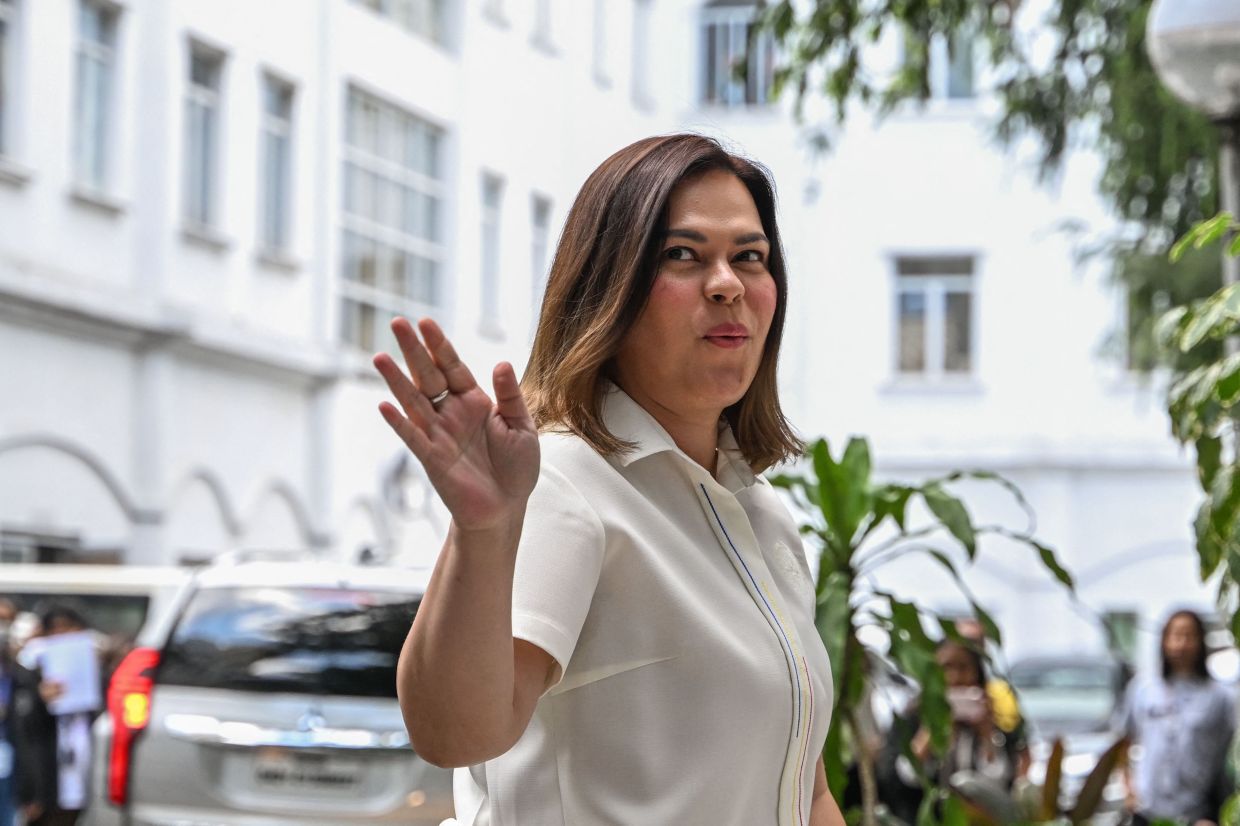
Vice President Sara Duterte has left the Philippines for an extended foreign journey approved by President Ferdinand Marcos Jr, the Malacanang Palace revealed this week, even as the political controversy surrounding her impeachment trial unfolds back home. The presidential office authorised the trip, which runs from mid-July through the end of the month, taking the vice president across multiple European nations and the Middle East. Palace press officer Claire Castro confirmed the arrangement during a regular media briefing, emphasising that the visit had received formal clearance from the Office of the Executive Secretary.
The approved itinerary encompasses visits to Qatar, Germany, the United Kingdom, Northern Ireland, and the Netherlands over a two-week period. This extended absence represents a significant departure from Manila's political centre during a particularly turbulent moment in the vice president's political standing. The timing has drawn attention given the concurrent impeachment proceedings against Duterte, which continue without her physical presence in the country. Defence counsel Michael Poa acknowledged during Tuesday's court session that his client was indeed overseas but indicated she would return within a reasonable timeframe.
Duterte's current location is The Hague in the Netherlands, where she has been attending to a pressing family matter. Her father, former President Rodrigo Duterte, has been held in detention at a facility in the Dutch city since March of the previous year while awaiting trial proceedings before the International Criminal Court. The former president faces charges related to alleged crimes against humanity stemming from his tenure leading the Philippine government's controversial anti-drug campaign, which human rights organisations have criticised for resulting in thousands of deaths under contested circumstances.
The arrest of the former president followed a directive from the ICC, with Philippine authorities executing the international warrant in March. The charges against Rodrigo Duterte centre on his role as an indirect co-perpetrator in extrajudicial killings that allegedly occurred during both his mayoral period in Davao City and his presidential tenure. The campaign in question ran from 2011 through 2019, spanning his municipal leadership and his six years as national chief executive. The ICC has scheduled a significant trial date for November 30, when proceedings are expected to begin in earnest.
The vice president's journey to The Hague underscores the deep personal and familial dimensions underlying the current political turmoil engulfing the Duterte political family. While Sara Duterte grapples with impeachment charges in her capacity as vice president, her father faces international criminal justice proceedings that carry far graver potential consequences. The convergence of these two legal proceedings has intensified pressure on the family and raised broader questions about accountability within Philippine politics, particularly regarding the human costs of the drug war that defined Rodrigo Duterte's presidency.
From a regional perspective, the case represents a significant moment for the International Criminal Court's enforcement capabilities in Southeast Asia. The ICC's pursuit of a sitting or former head of state demonstrates the court's willingness to challenge powerful political figures, even those who command substantial domestic support in their home countries. This development carries implications for other nations in the region, particularly those grappling with contested governance records and concerns about international accountability mechanisms.
The Philippine political establishment has remained divided over these prosecutions and investigations. While supporters of the Duterte family view the impeachment and ICC proceedings as politically motivated persecutions, critics argue they represent necessary accountability for governance decisions that resulted in widespread loss of life. The question of presidential immunity and the limits of executive authority has become central to the national discourse, with implications extending beyond the immediate parties involved.
The approval of Sara Duterte's foreign travel during her impeachment trial reflects the complex intersection of executive discretion and political contestation. President Marcos Jr's decision to authorise the trip, despite the ongoing proceedings, suggests either confidence in the political resilience of his vice president or perhaps a calculation regarding the broader dynamics of their relationship. The formal approval through established executive procedures demonstrates that the journey carries official sanction, distinguishing it from an unauthorised absence during critical political proceedings.
For Malaysian observers, these developments offer important lessons regarding checks and balances within democratic systems and the challenge of managing serious criminal allegations against high-ranking officials. The Philippines' engagement with international justice mechanisms, through the ICC process, demonstrates how domestic legal systems increasingly intersect with global accountability frameworks. The proceedings also highlight the difficulties that Southeast Asian democracies face when confronting leaders who have cultivated substantial political support despite controversial governance records.
The vice president's expected return to the Philippines before the month's end will return her to the centre of the impeachment controversy. Her defence team's preparation for trial proceedings suggests that her legal strategy depends partly on navigating both the domestic impeachment process and, indirectly, the international scrutiny affecting her father. The convergence of these legal challenges positions the Duterte family at a pivotal moment in Philippine political history, with outcomes that may influence governance standards and accountability mechanisms throughout the region.

