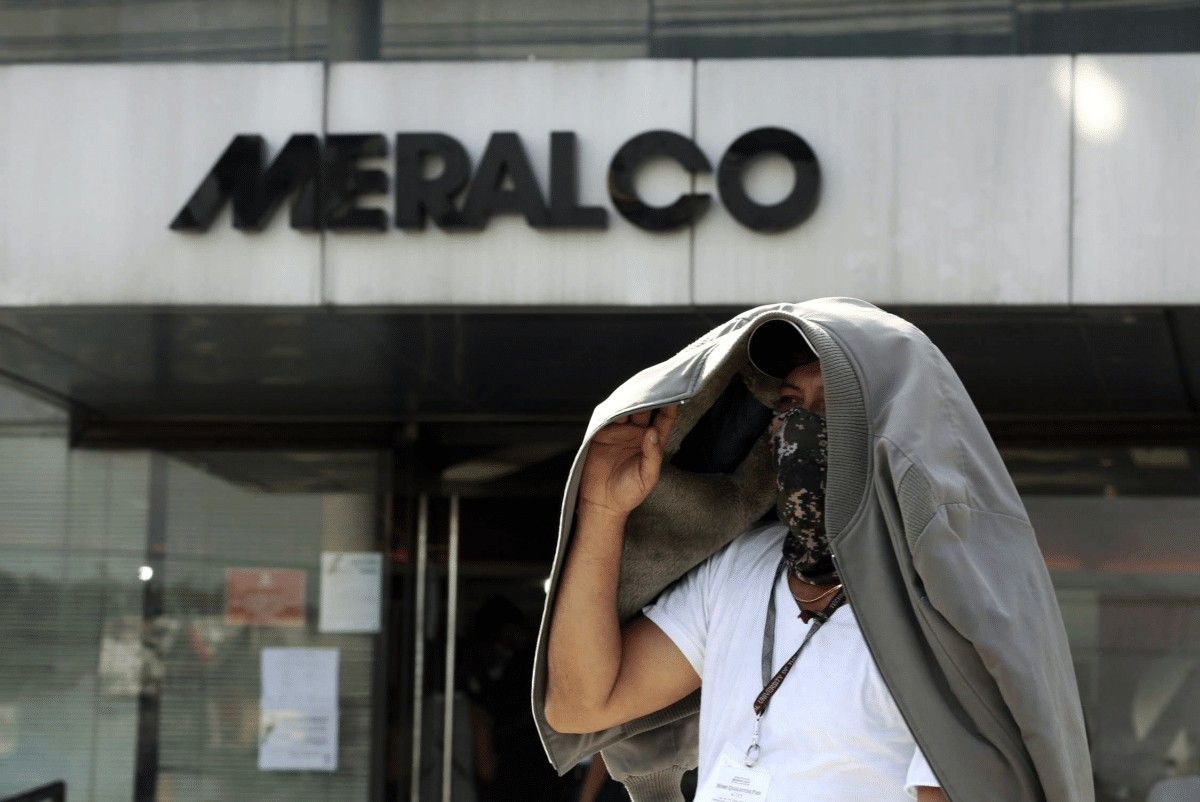
The Philippines' largest electricity distributor, Manila Electric Co. (Meralco), has been directed by regulators to return ₱9.5 billion to its consumers in a decision that provides temporary relief from persistently high power costs affecting millions of households and businesses across the country. The Energy Regulatory Commission issued its ruling on July 31, mandating the refund be distributed across customer bills as a discrete line item over a six-month implementation window beginning in the next billing cycle after the decision takes effect.
The refund translates to a credit of ₱0.3449 per kilowatt-hour, a meaningful adjustment for a nation where electricity costs have become an increasingly pressing household budget concern. Francis Saturnino Juan, who chairs and leads the ERC as chief executive officer, confirmed the implementation would commence promptly upon the regulator's official notification to Meralco. The phased approach through billing statements rather than lump-sum payments reflects regulatory practice in distributing large adjustments while minimizing administrative disruption to the utility's operations.
At the heart of this decision lies a peculiar but consequential regulatory gap. The refund specifically addresses what the ERC terms a "lapsed period"—the twelve-month stretch from January through December 2025 when no formal rate adjustment had occurred. During such intervals, electricity distributors continue billing customers using tariffs established under the previous regulatory period, even though the company's actual operating costs, investment requirements, and market conditions may have shifted substantially. This temporal mismatch creates what regulators call an "over-recovery," where the utility collects revenue exceeding what would be justified under current cost structures.
Understanding the mechanics of rate-setting in the Philippines illuminates why such gaps arise and why they matter for consumers. Regulated monopolies like Meralco must periodically submit comprehensive filings to the ERC detailing their anticipated expenditures, infrastructure investments, and operational projections—typically covering five-year horizons unless regulators extend the timeline. These submissions form the foundation for calculating the rates that utilities may charge. The process involves scrutiny of capital spending plans, maintenance schedules, staffing costs, and return-on-investment expectations. Once approved, these rates remain in effect until the next formal review, creating periods when actual conditions diverge from the regulatory assumptions underpinning the approved tariff.
The 2025 lapsed period presented precisely this scenario. Meralco operated under rates established during a previous regulatory cycle, but the formal process to reset those rates for 2025 and beyond had not yet concluded. Consequently, customers paid using outdated pricing structures that failed to reflect the current financial reality facing the utility. When the ERC finally completed its assessment, it discovered that Meralco had collected revenues exceeding what would have been justified under properly calibrated rates—hence the requirement to return the surplus.
The commission's decision explicitly incorporates interest costs in calculating the total refund obligation, a detail that underscores the regulatory body's intent to fully compensate consumers for extended exposure to inflated rates. By including accrued interest, the ERC ensures that the refund reflects not merely the difference between actual and appropriate charges, but also the financial burden imposed by charging customers at elevated rates over an extended period. This methodology demonstrates that regulators view over-recovery as more than a simple accounting error requiring correction; it represents a legitimate cost to consumers warranting full remediation.
For millions of Filipinos already grappling with electricity bills that consume significant portions of household income, this refund offers modest but welcome relief. The country has confronted persistent challenges around power affordability, particularly as infrastructure constraints and supply-demand dynamics have maintained upward pressure on generation and distribution costs. In urban centers like Metro Manila, where Meralco serves the majority of the population, electricity expenses rank among households' largest monthly outlays alongside rent and food. A reduction of ₱0.3449 per kilowatt-hour may seem marginal in isolation, but when multiplied across millions of consumers and dozens of billing cycles, the aggregate impact becomes substantial.
The broader regulatory context surrounding this decision reflects ongoing tensions between ensuring utilities receive adequate revenue for essential infrastructure investment and protecting consumers from monopolistic pricing. The ERC must balance competing objectives: allowing Meralco sufficient financial resources to maintain reliable electricity supply and fund grid modernization, while preventing the utility from exploiting its position as an uncompeted monopoly distributor. Rate-resetting mechanisms represent the regulatory tool designed to achieve this balance, but the timing gaps inherent in formal review processes create windows where theoretical and actual pricing diverge.
Meralco's implementation of this refund through separate billing line items rather than consolidated adjustments will provide transparency, allowing customers to clearly identify the credit. This visibility matters beyond mere accounting clarity; it reminds the public that regulatory oversight functions to restrain utility pricing power and protects consumer interests. However, the refund addresses only the past over-recovery. Meralco's rate structure moving forward will depend on the outcome of its next formal rate application, where the utility will present its case for appropriate tariffs covering the forthcoming regulatory period.
The decision also signals the ERC's willingness to actively police utility revenues and enforce cost discipline on regulated monopolies. Regulators could theoretically have absorbed the over-recovery into calculations of future rate adjustments rather than requiring explicit refunds, but the choice to order direct compensation demonstrates commitment to protecting current customers from bearing costs they should not have incurred. This approach may face pushback from utilities arguing that regulatory uncertainty discourages investment, yet the ERC's position reflects a consumer-protection orientation increasingly visible across Philippine regulatory agencies.
Looking forward, the refund process itself will test administrative coordination between Meralco's billing systems and the ERC's oversight. Distributing ₱9.5 billion across millions of customer accounts over six months requires sophisticated systems and careful reconciliation to ensure accuracy. Any implementation shortfalls or disputes could necessitate further regulatory intervention, potentially delaying the relief intended by this decision. The coming months will reveal how smoothly this complex financial adjustment occurs within the Philippine power sector's existing infrastructure and processes.
For Malaysia and other Southeast Asian nations monitoring electricity market regulation, the Meralco case illustrates both the promise and limitations of rate-based regulation for natural monopolies. While the ERC successfully identified and corrected consumer overcharges, the existence of the lapsed period itself reflects structural challenges in keeping regulatory determinations synchronized with actual market conditions. As regional electricity markets grow increasingly complex, with rising renewable energy penetration and climate-driven volatility, regulators across Southeast Asia will face growing pressure to modernize their rate-setting frameworks to respond more dynamically to evolving costs and conditions.

