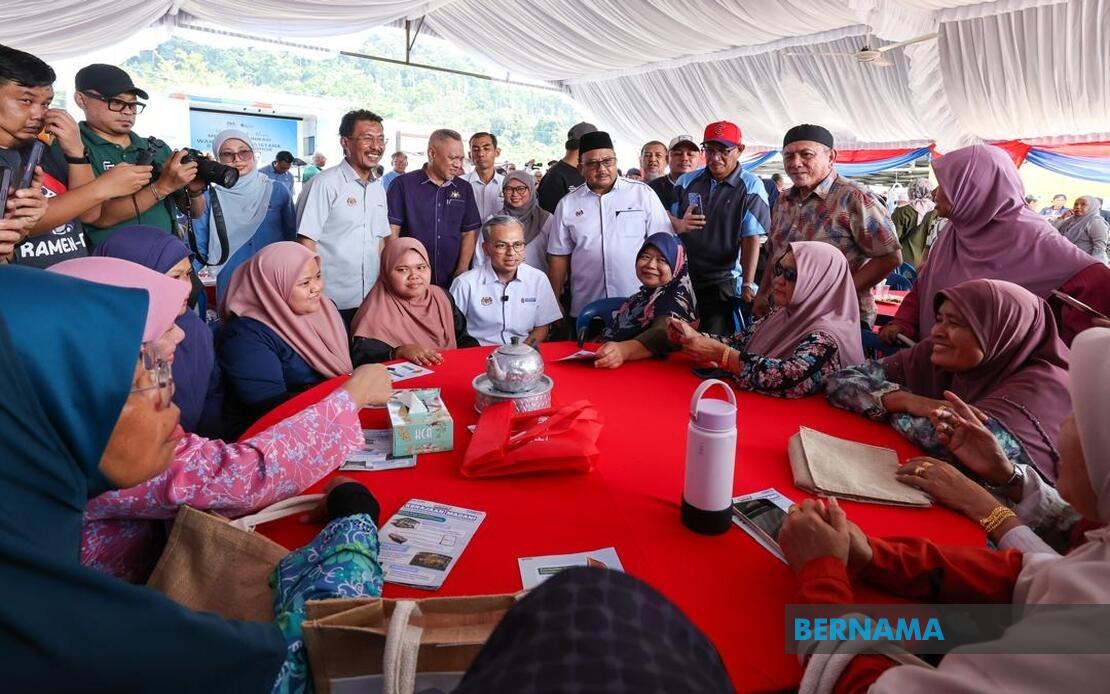
Pakatan Harapan's Communications Minister Datuk Fahmi Fadzil has pushed back against growing criticism over the timing of the coalition's state election manifesto, characterizing the delayed rollout as a deliberate choice made to ensure quality and leadership consensus. Speaking at a campaign event in Batu Pahat on July 4, Fahmi indicated that PH prioritized comprehensive policy development and approval from the coalition's senior echelon, including the Prime Minister, over rapid public deployment. The decision to unveil the 'Johor for All' manifesto on Friday marked the beginning of the campaign's second week, positioning it strategically after both coalitions had introduced their respective candidates and were entering the substantive policy phase of the contest.
The manifesto launch has become a flashpoint in the Johor State Election campaign, with internal coalition voices expressing concern that the timing weakened PH's narrative momentum. Former Bangi MP Ong Kian Ming had previously warned that the coalition faced structural disadvantages, citing not only the delayed manifesto but also the absence of a declared menteri besar candidate and limited participation from senior party figures on the campaign trail. Ong had predicted a landslide victory for Barisan Nasional on the strength of these factors. However, Fahmi's reframing positions the manifesto launch as evidence of PH's organizational discipline rather than campaign sluggishness, arguing that the coalition had learned from past elections the importance of coordinating policy announcements across leadership structures.
The debate over manifesto timing reflects deeper anxieties within PH about campaign momentum and narrative control in a state where the coalition faces formidable organizational disadvantages. Johor has remained a Barisan Nasional stronghold, and the state's Menteri Besar Datuk Onn Hafiz Ghazi commands significant incumbent advantage. For a coalition still rebuilding public confidence after the 2022 internal collapse that fractured Unity Government arrangements, every campaign element carries heightened significance. The manifesto serves not merely as a policy document but as a signal of coalition coherence and seriousness, particularly to voters weighing whether to support a realigned opposition alliance.
Fahmi also turned the criticism of former UMNO Youth leader Khairy Jamaluddin, who characterized the PH manifesto as largely copied from the BN version, into an indirect critique of the ruling coalition's own campaign discipline. By observing that Khairy appeared to be campaigning more aggressively than Johor's incumbent Menteri Besar, Fahmi suggested a deeper malaise within the BN campaign structure. The quip that Khairy's energy and political stature might benefit Onn Hafiz if transferred carried implications about the relative caliber of leadership between the two coalitions. This rhetorical maneuver shifted the conversation from PH's campaign weaknesses to questions about whether BN's machinery was functioning at optimal capacity despite the party's structural advantages.
The manifesto controversy has coincided with broader questions about party discipline within PH, particularly concerning the Democratic Action Party (DAP). Marina Ibrahim, a former Skudai assemblyman, recently posted on social media that she had withdrawn from politics, citing disillusionment with what she described as DAP leadership's handling of the pardon question involving former Prime Minister Datuk Seri Najib Tun Razak. Such departures, even from lower-profile party members, carry symbolic weight in a state election where coalition unity is essential. Fahmi addressed the Marina Ibrahim matter directly, indicating that PH remained unfazed by what he characterized as outlier positions disconnected from grassroots sentiment.
Fahmi's confidence in dismissing concerns about DAP's internal dynamics rested on observed turnout and enthusiasm at campaign events across the state. He noted robust grassroots engagement and support at every PH function he had attended during the campaign period, suggesting that voters were responding to the coalition's message despite background noise about party management issues. The inclusion of DAP candidates such as Ng Yak Howe contesting for the Bentayan state seat demonstrated that the coalition remained operationally unified despite individual dissensions. Fahmi's argument implied that campaign effectiveness ultimately derives from ground-level organization and voter receptiveness rather than from individual departures or social media narratives about party leadership.
The 16th Johor State Election represents a significant test for PH's capacity to compete in a traditionally non-aligned state where neither the opposition nor the ruling coalition has dominated electoral outcomes in recent decades. With 172 candidates contesting 56 state seats, the scale of the campaign requires coordinated messaging and candidate deployment across multiple fronts. Polling is scheduled for July 11, with early voting occurring on July 7. The compression of the campaign timeline means that manifesto launches, candidate introductions, and messaging strategies carry concentrated impact. In this context, Fahmi's defense of the manifesto timing as deliberate rather than tardy takes on significance as a statement about PH's strategic coherence.
The manifesto launch debate also intersects with questions about how opposition coalitions in Malaysia calibrate their electoral strategies in light of post-2022 governance lessons. The period following the internal collapse of the Anwar Ibrahim-led government's original configuration in 2022 has required PH to rebuild public trust while simultaneously maintaining coalition discipline across ideologically diverse partners. The decision to launch a manifesto only after top leadership endorsement reflects an effort to project unity and deliberateness. Whether this approach resonates with voters who may perceive it as cautious rather than confident remains an open question as the Johor campaign enters its decisive phase.
Fahmi's framing of the manifesto launch as appropriately timed also serves to preempt future criticism should PH's performance disappoint. By establishing a narrative that the coalition acted methodically and with leadership consensus, Fahmi has created defensive ground for interpreting any electoral shortfalls as reflecting voter preferences rather than campaign management failures. This rhetorical positioning is particularly important given that internal coalition figures like Ong Kian Ming had already staked out positions critical of PH's campaign execution. The manifesto launch timing controversy thus reflects not only genuine tactical disagreements about campaign strategy but also deeper questions about leadership and direction within an opposition coalition seeking to establish relevance in a competitive and historically volatile state political arena.

