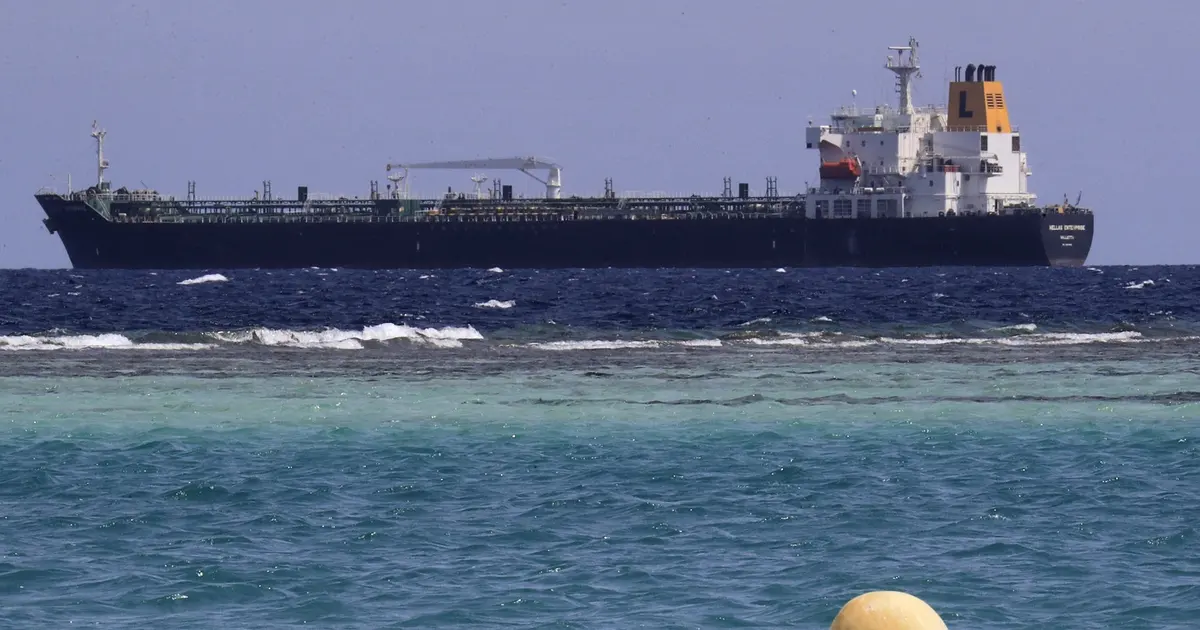
Malaysia's ability to maintain operational shipping corridors through the Red Sea reflects the government's success in pursuing a balanced and pragmatic foreign policy, according to Prime Minister Anwar Ibrahim. The clearance granted to a Petronas-operated vessel to navigate the strategically vital waterway and subsequently dock at Melaka next month signals that Malaysia continues to sustain functional diplomatic relationships with multiple regional and international actors despite rising tensions in the Middle East.
The Red Sea remains one of the world's most critical maritime passages, facilitating roughly 12 per cent of global trade and serving as a crucial artery connecting Europe, Asia, and Africa. Recent years have witnessed mounting security concerns along this corridor, with various armed groups and maritime incidents creating hazards for commercial shipping. The fact that a major Malaysian energy corporation's vessel can still transit this route underscores the stability of Malaysia's diplomatic standing and its ability to work across competing interests in a fractious geopolitical environment.
Prime Minister Anwar's public emphasis on this development carries deeper significance beyond the immediate logistics of transporting Petronas assets. His remarks reflect a deliberate messaging strategy to demonstrate that Malaysia's foreign policy framework—characterised by non-alignment and measured engagement with diverse stakeholders—yields tangible benefits for the nation's economic and strategic interests. In an era when many countries face pressure to choose rigid ideological camps, Malaysia's approach of maintaining substantive ties with both traditional Western partners and emerging powers remains valuable.
The Petronas vessel's scheduled arrival in Melaka next month will represent a routine yet symbolically important operation for Malaysia's maritime sector. Melaka's strategic position as a major regional port makes it a natural terminus for significant shipping operations, and the vessel's routing through contested waters to reach this destination demonstrates continuity in normal commercial operations despite global instability. This normalcy is vital for Malaysia's reputation as a reliable trading nation and for investor confidence in the country's ability to maintain supply chains and logistical networks.
Malaysia's approach to Red Sea security differs from that of some regional neighbours who have faced more acute pressure or restrictions on their maritime access. The government has neither joined military coalitions that police the waterway nor severed engagement with parties involved in regional conflicts. Instead, Malaysian diplomacy has focused on maintaining channels of communication and ensuring that Malaysian interests—particularly those of major state-owned enterprises like Petronas—are adequately protected through conventional diplomatic and commercial means. This equilibrium-seeking approach has enabled Malaysia to avoid becoming entangled in internecine conflicts that do not directly concern core national interests.
The clearance for Petronas operations also reflects the company's strategic importance to Malaysia's economy and energy security. Petronas, as a downstream and upstream operator, depends on access to global markets and supply chains. Restrictions on its vessels would directly impact Malaysia's hydrocarbon revenue, employment in the energy sector, and the government's capacity to fund domestic programmes. By maintaining operational access to crucial maritime routes, the government protects one of the country's most valuable state enterprises and the thousands of jobs dependent on its activities.
From a Southeast Asian perspective, Malaysia's successful navigation of Red Sea shipping challenges carries implications beyond its own borders. The region's economies are deeply integrated into global supply chains, and disruptions to maritime corridors affect multiple countries. Malaysia's diplomatic skill in maintaining access to the Red Sea—without compromising other relationships or becoming isolated—offers a model of how smaller regional powers can exercise agency within a multipolar system. This approach contrasts sharply with either isolation or forced alignment with major powers seeking hegemonic control over strategic waterways.
Prime Minister Anwar's framing of the Petronas clearance as validation of Malaysia's foreign policy strategy is politically astute. It demonstrates to domestic audiences that non-alignment and diplomatic pragmatism produce concrete outcomes that benefit ordinary Malaysians through maintained employment and economic stability. Simultaneously, it sends a signal to the international community that Malaysia remains a dependable trading partner capable of independent decision-making based on national interest rather than external pressure.
Looking forward, Malaysia will likely continue refining this balancing act as Middle Eastern tensions fluctuate and global maritime security challenges evolve. The government's demonstrated capacity to secure passage for critical national assets through contested waters—without sacrificing diplomatic relationships with any major party—suggests that this pragmatic approach remains effective. For Malaysian businesses and citizens, the ability of Petronas vessels to continue regular operations through the Red Sea means sustaining one of the critical pillars of the nation's prosperity and regional standing.

