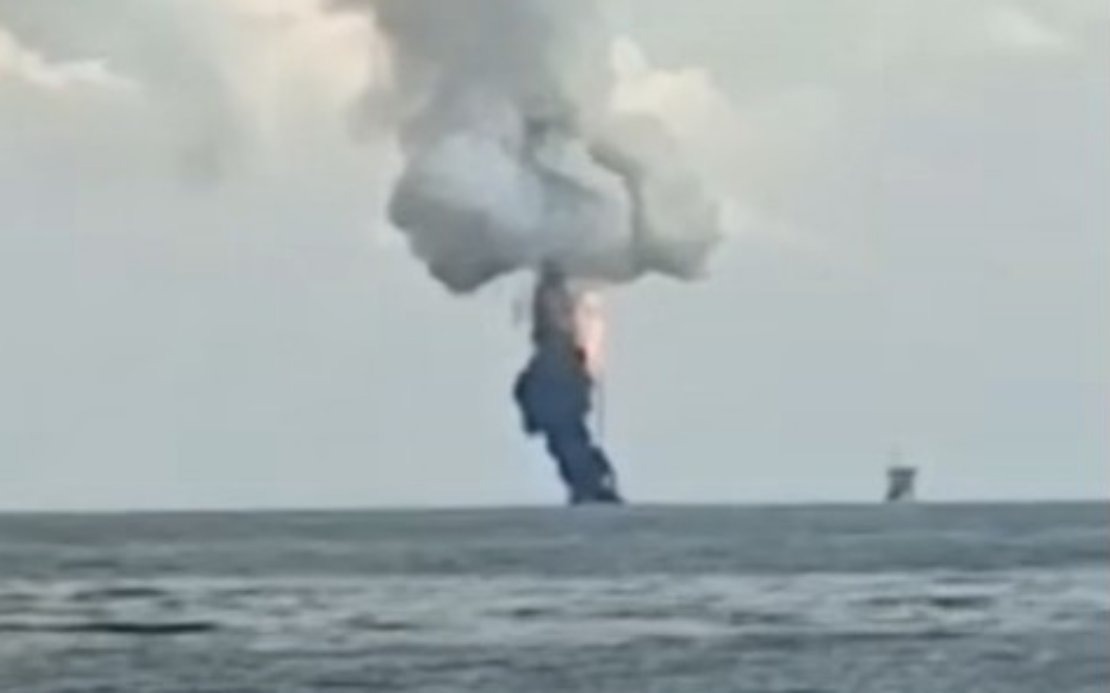
Vestigo Petroleum Sdn. Bhd., a subsidiary of Petronas Carigali, has officially confirmed that a fire broke out at its West Lutong Vent A (WLV-A) offshore facility in Sarawak waters on the afternoon of June 28. The incident, which occurred around 2 pm, was quickly brought under control, according to a company statement released on June 29. The operator has initiated a formal investigation into the underlying cause of the fire while maintaining strict coordination with all relevant governmental and maritime authorities.
The company's prompt disclosure and transparent communication about the incident underscore industry-standard protocols for managing offshore emergencies in Malaysian waters. Vestigo's decision to engage directly with regulatory bodies demonstrates the seriousness with which such occurrences are treated within the national petroleum sector, particularly given Sarawak's strategic importance as a hydrocarbon production region and the sensitivity surrounding operational safety in the South China Sea.
A notable aspect of this incident is how rapidly information circulated through social media channels, with video footage of the fire spreading online before official confirmation. This reflects the modern reality of crisis management in the oil and gas sector, where digital platforms can amplify awareness of industrial incidents faster than traditional news cycles. The company's swift public statement effectively addressed public concern and prevented misinformation from dominating the narrative, a critical consideration for maintaining stakeholder confidence and regulatory standing.
Vestigo's statement explicitly confirmed that no personnel suffered injuries or adverse health effects from the incident. This outcome represents a significant success in emergency response procedures, suggesting that evacuation protocols and on-site safety systems functioned as intended. The absence of casualties is particularly important given the inherent hazards associated with offshore petroleum operations, where workers face complex evacuation challenges and the potential for rapid escalation of incidents in marine environments.
The company emphasised that the fire posed no immediate environmental or community risk. This assurance holds particular weight in Sarawak, where coastal communities depend on sustainable marine ecosystems and where any pollution incident could trigger significant regulatory scrutiny and public backlash. The fact that environmental impact appears contained reflects both the nature of the incident and the effectiveness of emergency containment measures implemented at the facility.
Vestigo's operational presence in Sarawak waters represents a crucial component of Malaysia's domestic petroleum production capacity. The West Lutong field has historically been a reliable contributor to national oil output, and any disruption—however temporary—has implications for overall production levels and export commitments. The swift restoration of operational stability following the fire therefore carries economic significance beyond the immediate facility.
Investigations into offshore incidents typically involve multiple stakeholders including the Malaysian Maritime Enforcement Agency, the Department of Occupational Safety and Health, and Petronas internal safety divisions. These investigations serve dual purposes: establishing immediate causes to prevent recurrence and identifying systemic vulnerabilities that might affect other installations. The thoroughness of such inquiries often determines whether industry-wide safety improvements are mandated.
The incident occurs within a broader context of intensified focus on offshore safety standards throughout Southeast Asia. Following several high-profile incidents in the region over recent years, regulators have become increasingly stringent in their oversight of operational practices. For Malaysian operators, maintaining exemplary safety records is essential for preserving operational licences and investor confidence, particularly as global energy markets scrutinise environmental and safety performance.
Vestigo's commitment statement emphasising personnel safety, environmental protection, and operational integrity represents both a reaffirmation of corporate values and an implicit acknowledgment of stakeholder expectations. Such declarations are standard in crisis management but carry weight when backed by demonstrated performance during actual incidents. The successful containment of this fire and the absence of casualties suggest that Vestigo's safety culture and emergency preparedness systems are functioning effectively.
Looking forward, the formal investigation findings will likely inform sector-wide discussions about equipment redundancy, maintenance protocols, and emergency response procedures on comparable installations. If particular equipment failures or procedural gaps are identified, remedial measures could be mandated across the industry, affecting operational costs and scheduling for multiple operators. The transparency with which Vestigo handles these findings will significantly influence its regulatory standing and industry reputation.

