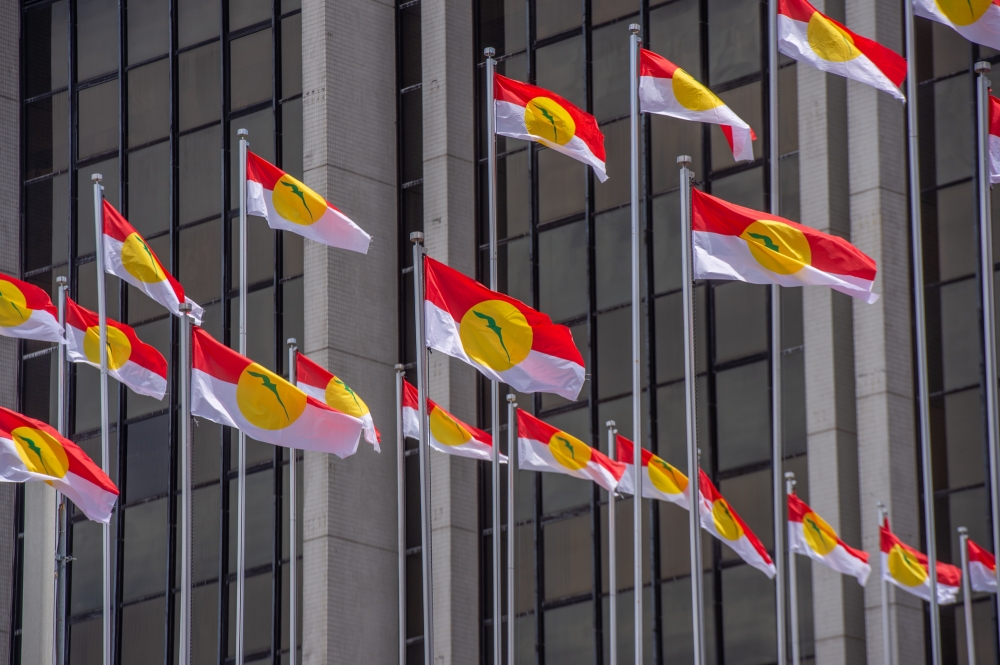
The Umno division in Perlis has embarked on a comprehensive organisational drive to mount a solo electoral challenge across all 18 constituencies—comprising the full complement of 15 state assembly seats and three parliamentary divisions—in the forthcoming general election. This move represents a significant positioning by the party as it prepares to stand without coalition partners in Malaysia's northern-most peninsula state, marking a departure from traditional alliance arrangements that have characterised Umno's approach to electoral contests in recent cycles.
The decision to field candidates independently across every seat signals Umno's confidence in its grassroots machinery within Perlis and reflects broader internal assessments about the party's capacity to compete effectively without relying on coalition partners. Party leadership in the state has begun intensifying mobilisation efforts, training candidates, and strengthening branch-level organisations to support what constitutes an ambitious undertaking. This comprehensive approach contrasts with previous electoral models where Umno typically negotiated seat allocations with Barisan Nasional allies or other political partners.
For Malaysian political observers, this development carries implications beyond Perlis itself. The state serves as a bellwether for intra-coalition dynamics within Umno and offers insights into how the party is recalibrating its electoral strategy nationally. Umno's decision to contest solo in Perlis may signal confidence that the party can recover voter support without necessitating coalition arrangements, or it may reflect tensions with traditional partners over seat negotiations. The outcome in this relatively small state could influence how Umno approaches negotiations in larger, more contested states.
Perlis, with its population of approximately 270,000, presents both opportunities and challenges for such a unilateral strategy. The state has historically been an Umno stronghold, providing a relatively secure testing ground for party initiatives. However, the political landscape has shifted considerably since the 2018 general election, which fundamentally reshaped Malaysian politics. Umno must navigate an environment where voter loyalty cannot be assumed, and competition from both established and emerging political forces remains intense.
The decision also reflects calculations about the broader political environment and Umno's role within it. By contesting all seats, the party demonstrates that it views itself as capable of functioning as a comprehensive political force rather than merely one component of a larger coalition structure. This positioning becomes particularly significant given the evolving nature of Malaysia's political coalitions, where traditional arrangements have fractured and reformed multiple times over recent years.
Candidates will face the dual challenge of establishing themselves as credible local representatives while simultaneously benefiting from Umno's organisational resources and brand recognition. The party's machinery in Perlis will need to ensure that campaign narratives resonate with diverse voter concerns—ranging from economic opportunities and development priorities to governance issues and social services provision. Each constituency presents distinct demographic and socio-economic profiles that will require tailored campaign messaging.
From a Southeast Asian perspective, this development exemplifies broader trends in Malaysian politics where major parties are reassessing coalition arrangements and exploring electoral independence. The region has witnessed significant realignment in political structures across multiple countries, and Malaysia's trajectory influences regional understanding of how established governing parties adapt to changing electoral dynamics. Umno's strategic choices in states like Perlis provide data points for analysing how dominant parties maintain or rebuild electoral coalitions.
The preparation phase becomes crucial to success. Perlis Umno must identify and nurture candidates who command local respect and possess the organisational capacity to campaign effectively. Party divisions at district and branch levels require activation, volunteer mobilisation must extend beyond traditional networks, and messaging frameworks need development to appeal to swing voters who may have drifted toward other political options. The administrative machinery must function smoothly across all 18 constituencies simultaneously, which presents logistical complexity even in a state of Perlis's modest size.
Umno's leadership in Perlis also faces questions about coalition dynamics more broadly. While contesting independently across this state, the party will simultaneously navigate negotiations regarding coalition arrangements in other states where partnership arrangements remain standard. This apparent contradiction—independence in Perlis versus coalition participation elsewhere—requires careful political choreography to avoid perceptions of inconsistency or internal disarray.
The electoral timeline and political developments leading toward the next general election will significantly influence how this strategy develops. Should national political dynamics shift substantially, or should major coalition arrangements change, Umno's leadership in Perlis may reassess its approach. Conversely, early positive signals from campaign mobilisation could reinforce commitment to the solo strategy and potentially influence how the party positions itself in other states.
For Malaysian voters in Perlis, this arrangement provides an opportunity to evaluate Umno's vision and candidates without filtered assessments from coalition partners' campaigns. It also creates openings for other political forces to compete more directly with Umno without navigating multi-party coalition dynamics. The outcome of this electoral experiment will carry lessons for how Umno approaches future contests and may influence broader patterns in Malaysian coalition politics as the party continues adapting to a more fragmented and competitive electoral landscape.

