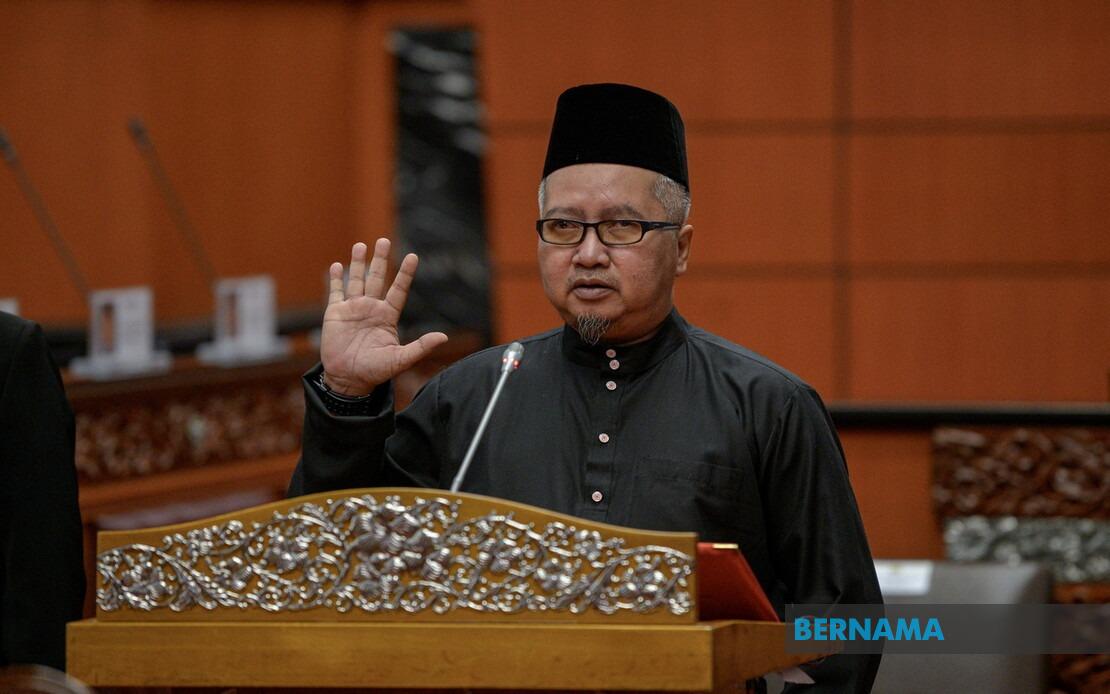
Senator Azahar Hassan has ended his membership in Parti Pribumi Bersatu Malaysia, stepping down from all positions within the party structure with immediate effect. The Perlis-based politician made the announcement in Kangar on July 9, signalling a significant shift in his political alignment at a time of continued flux within Malaysia's ruling coalition dynamics.
In explaining his departure, Azahar stressed that his decision reflected a careful evaluation of recent political circumstances and broader strategic considerations. He framed the resignation not as a sudden move but as the culmination of deliberate reflection on the direction he wished to pursue in his political career. This careful language suggests a measured rather than acrimonious break, indicating that his exit may stem from substantive disagreements about party direction rather than interpersonal conflict.
The senator's assertion that his decision stems from personal conviction and specific principles hints at ideological or tactical divergence between himself and the party leadership. In the context of Bersatu's ongoing internal dynamics and its complex positioning within the Perikatan Nasional coalition, such departures often signal broader tensions about the party's strategic direction. For Malaysian political observers, such exits become significant indicators of shifting allegiances within the broader power structure.
Despite severing his party ties, Azahar has made clear his intention to continue serving his constituents and the state of Perlis through his role in the Dewan Negara, the upper house of Malaysia's parliament. This distinction underscores an important aspect of Malaysian politics: party membership and legislative responsibilities remain separate matters, allowing elected representatives to pivot their party affiliations without immediately affecting their parliamentary duties. His commitment to remaining in the Dewan Negara reflects a determination to fulfill his obligations to the people of Perlis regardless of his party status.
Azahar's journey within the political system has been relatively recent. The Perlis State Legislative Assembly appointed him as a Senator on October 10, 2024, meaning his tenure in the upper house spans less than nine months prior to his party resignation. This brief tenure before departing from Bersatu raises questions about whether his appointment itself may have precipitated a reassessment of his political positioning or whether his resignation reflects early recognition of fundamental misalignments.
Bersatu, formally known as Parti Pribumi Bersatu Malaysia, has experienced multiple leadership and membership transitions since its formation. The party's evolution from its earlier incarnation and its present role within Perikatan Nasional have generated considerable internal debate about strategic priorities. Departures by senior figures like Azahar contribute to ongoing speculation about the party's internal cohesion and whether it can maintain unity around shared political objectives.
Perlis, as Malaysia's smallest state by population, remains politically significant despite its size. The state's configuration within the broader Malaysian political landscape means that shifts in party membership among Perlis-based politicians can have implications for state-level political balances and federal coalition arrangements. Azahar's departure from Bersatu potentially reshapes the party's representation and influence in the state.
The timing of Azahar's resignation occurs amid broader questions about coalition stability in Malaysia. Following the 2022 Perikatan Nasional arrangement and subsequent political negotiations, various parties have undergone internal restructuring and realignment. Individual departures like this one, when examined collectively, reveal patterns of how politicians navigate competing interests and changing political circumstances.
For Malaysian governance more broadly, Azahar's decision illustrates the flexibility that exists within the parliamentary system, where party membership and legislative representation can operate somewhat independently. This arrangement reflects Malaysia's Westminster-influenced constitutional framework, which permits legislators to change party affiliation without triggering automatic seat loss, thereby preserving democratic representation even during periods of political realignment.
Moving forward, Azahar's status as an independent or potentially aligned with another political formation will merit close observation. His future political moves could indicate whether his departure from Bersatu represents a pathway toward joining another established party, forming new political alliances, or maintaining independent status. Such developments often foreshadow larger shifts within Malaysia's political landscape, particularly at state level where smaller personnel changes can produce measurable impacts on legislative mathematics and coalition formation.
The senator's departure also raises questions about Bersatu's appeal and retention capacity among its political membership. When established party members depart citing personal principles, it invites examination of whether the party's current strategy and leadership effectively represent the interests and values of its members. For Perlis specifically, the exit of a senior party figure may prompt recalibration of Bersatu's standing within state political circles.
As Malaysian politics continues its complex evolution, resignations like Azahar's serve as important data points for understanding shifting political allegiances and the underlying tensions within established party structures. His determination to maintain his Dewan Negara position while leaving Bersatu exemplifies how modern Malaysian politics accommodates both change and continuity simultaneously.

