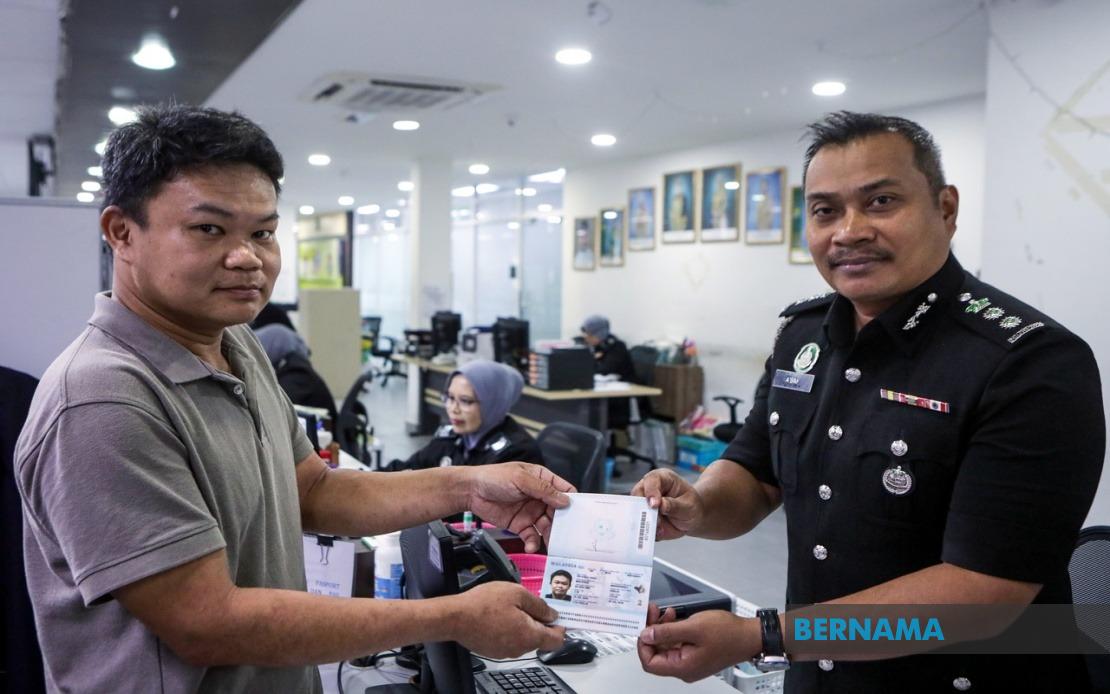
The Perlis Immigration Department has begun distributing the newly redesigned Malaysian International Passport, a modernised travel document incorporating 94 distinct security measures to combat fraud and enhance document integrity. The rollout commenced following the successful installation of dedicated printing equipment earlier this month, with citizens in the northern state now able to apply and receive the credential from the Immigration Office located within Kangar's Urban Transformation Centre.
Mohammad A'sim Md Ali, who heads the Perlis Immigration Department, confirmed that the initial public response to the enhanced passport has been positive during its debut week of implementation. He noted that the Kangar UTC facility currently serves as the sole processing point for the new document in Perlis, with applicants able to select validity periods of either five or ten years according to their individual requirements and travel patterns. This flexibility represents a departure from previous passport issuance protocols and provides Malaysian citizens with greater control over their document renewal cycles.
The department plans to expand printing capacity by establishing a secondary facility at the Perlis Ministry of Home Affairs Complex in Kangar, though this expansion faces timing constraints. According to Mohammed A'sim, the transfer of printing operations to the ministry's headquarters depends on the completion of structural upgrades and renovation work on service counters, which immigration officials anticipate concluding sometime in October. This phased approach ensures that document security standards are maintained while infrastructure improvements proceed in parallel.
Statistical data from the Perlis Immigration Department reveals substantial demand for travel documents across the state. During the first seven months of the calendar year through mid-July, the department processed 31,722 travel documents overall, with 6,918 Malaysian passports issued alongside 72 Restricted Travel Documents and 24,732 Border Passes. These figures demonstrate the critical role that immigration services play in facilitating mobility for residents of Malaysia's smallest state by area.
Prime Minister Datuk Seri Anwar Ibrahim formally unveiled the new Malaysian International Passport on June 30, positioning it as a cornerstone of Malaysia's evolving security infrastructure. Applications opened nationwide from July 1, making the credential available to Malaysian citizens aged 18 and above. The introduction of this strengthened travel document reflects a broader government commitment to safeguarding the integrity of Malaysia's travel documentation system while simultaneously delivering tangible improvements to user experience and document functionality.
The enhanced security architecture embedded within the new passport addresses vulnerabilities identified in previous iterations. With 94 distinct security features integrated throughout the document's design and structure, the new credential represents a significant technological leap forward in counterfeit prevention and authenticity verification. These features likely encompass advanced printing techniques, biometric elements, microprint patterns, and specialised inks that present considerable barriers to fraudulent reproduction, aligning Malaysia's standards with best practices implemented by international peers.
For Malaysian citizens planning international travel, the new passport offers practical advantages beyond enhanced security. The option to select either five or ten year validity periods allows individuals to align renewal timelines with anticipated travel frequency and personal circumstances, reducing unnecessary administrative burden and expense for those with minimal international mobility while accommodating the needs of frequent business and leisure travellers. This flexibility also addresses evolving life circumstances, from employment changes to family situations that influence travel patterns.
The staggered implementation approach adopted in Perlis provides a template for other states as they transition to the new document. By concentrating production at a single verified facility initially, authorities maintain quality control and security oversight while gradually expanding capacity as infrastructure improvements progress. This measured rollout reduces the risk of security compromises that might accompany rapid, simultaneous deployment across multiple locations without adequate preparation.
From a regional perspective, Malaysia's investment in advanced passport security reflects the country's positioning within Southeast Asia's competitive landscape for tourist and business travel. Enhanced document security bolsters Malaysia's reputation as a reliable source of travel credentials, potentially supporting the country's broader tourism and foreign investment objectives. As other ASEAN nations similarly upgrade their travel documentation systems, Malaysia's proactive approach positions the country within the vanguard of the region's security standards.
Citizens currently holding older Malaysian passports need not rush to replace them immediately, as valid documents retain their legal standing for international travel until their printed expiration dates. However, individuals approaching renewal deadlines or planning extended overseas trips may find advantages in transitioning to the new credential, particularly given the security enhancements and validity period flexibility it provides. Immigration offices throughout Malaysia will continue processing applications for the new document throughout the rollout period.
The initiative also underscores the Malaysian government's commitment to digital-era governance and modernisation of public services. By adopting cutting-edge printing technology and security architecture, the immigration system demonstrates responsiveness to contemporary security challenges including identity fraud, document forgery, and unauthorised travel. These investments in infrastructure and technology position Malaysian immigration services to better protect both national security interests and individual citizens' travel rights and personal data.

