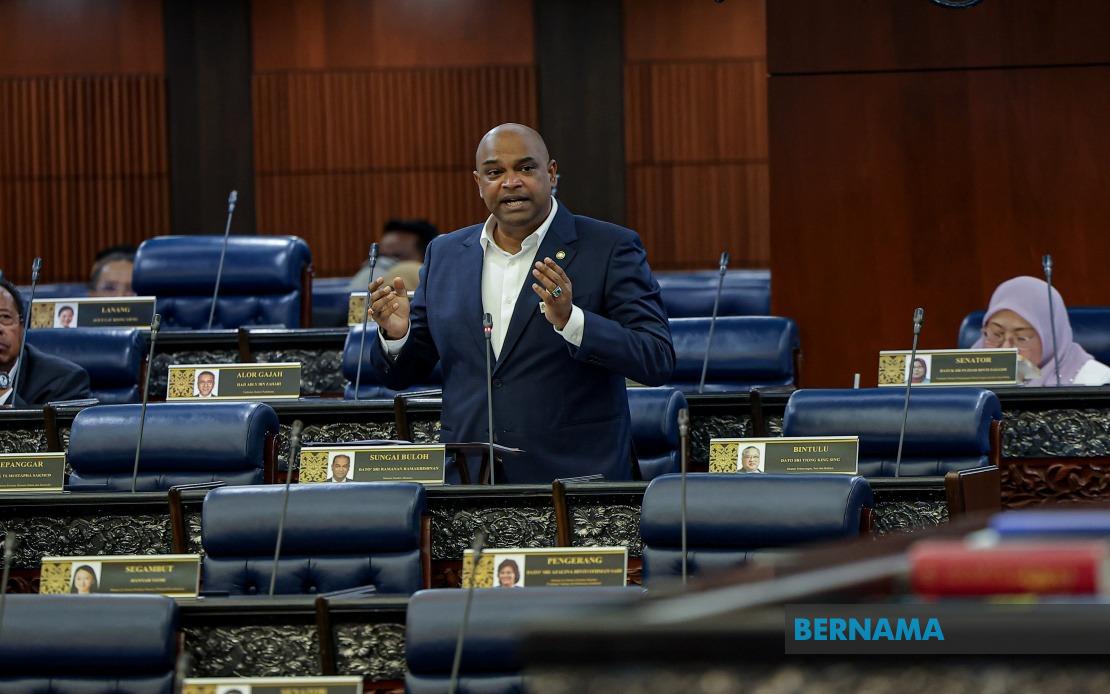
Malaysia's Social Security Organisation, better known as PERKESO, has delivered impressive operational performance with a claims processing compliance rate exceeding 96 per cent for contributors last year, according to disclosures made in parliament. Human Resources Minister Datuk Seri R. Ramanan revealed that the organisation has substantially strengthened its service delivery mechanisms through the introduction of stricter Customer Charter standards implemented across all three major protection schemes: LINDUNG Pekerja, LINDUNG Kendiri, and LINDUNG Kasih. This development signals a marked shift towards more accountable social security administration in the region's third-largest economy, where reliable benefit processing directly affects millions of workers and their families.
The new Customer Charter framework establishes clear processing timeframes tailored to different claim categories, creating transparency that was previously lacking in PERKESO's operations. The organisation now guarantees completion of Funeral Benefit and Temporary Disablement Benefit applications within two working days of receiving complete documentation. More complex claims—including those for Permanent Disablement Benefit, Invalidity Pension, Survivor's Pension, and Dependant's Benefit—are processed within three days, substantially faster than the administrative delays that historically plagued social security systems across Southeast Asia. For the newer LINDUNG Kerjaya scheme, the 2025 Customer Charter commits to two-day processing for all benefit types, and remarkably, PERKESO achieved an exceptional 99.68 per cent compliance rate specifically under this scheme.
The improvements documented by Ramanan reflect a comprehensive modernisation programme anchored in digital transformation. PERKESO has rolled out the LINDUNG Faedah PERKESO portal, a digital gateway designed to streamline how contributors submit claims and track payment status. The organisation has further upgraded its internal infrastructure through implementation of the 1Best system, which became fully operational this year and consolidates backend processing to eliminate bottlenecks and duplicate paperwork. These investments address a persistent challenge in developing economies: bridging the gap between policy intentions and actual service delivery at the ground level. For Malaysian workers accustomed to administrative delays, such digitisation represents tangible progress in accessing earned social protection benefits.
Beyond portal improvements, PERKESO introduced the PRIHATIN application to democratise access to information about available services. This mobile-first approach acknowledges that not all contributors possess advanced digital literacy or regular access to desktop computers, particularly among older workers and those in rural areas. The Prihatin Squad programme complements this digital infrastructure by deploying trained advisors who offer face-to-face guidance, helping beneficiaries navigate claim procedures and understand their entitlements. This hybrid approach—combining automation with human assistance—represents best practice in social security administration and reflects lessons learned from successful models in Singapore and South Korea.
Investigating the potential for expedited processing of accident-related claims, Ramanan highlighted the INSPIRE System, which establishes direct digital linkage between hospital records and PERKESO's assessment teams. This integration proves particularly valuable for workplace accident cases, where timely benefit disbursement can make the difference between financial stability and hardship for injured workers. For emergency situations, procedures have been simplified to enable claim resolution within 24 hours, a substantial improvement that acknowledges the urgent nature of medical crises and the financial strain they impose on households. The system's success hinges on cooperation between three traditionally siloed entities—healthcare providers, employers, and the social security regulator—representing a meaningful shift in inter-agency coordination that Malaysian policymakers have long advocated.
Fraud detection remains a persistent concern for social security administrators managing substantial public funds. Rather than relying exclusively on artificial intelligence, PERKESO maintains a multi-layered verification approach that deploys technology for preliminary screening while preserving manual verification as a critical secondary check. This balanced methodology protects against both false rejections of legitimate claims and approval of fraudulent applications. The recognition that human judgment remains essential, despite AI's analytical power, reflects mature risk management and suggests policymakers understand that over-automation can create new problems—such as denying benefits to vulnerable populations due to algorithmic errors. Malaysian social protection administrators face the same tension that authorities across Southeast Asia grapple with: harnessing technological efficiency without sacrificing the human discretion necessary for equitable administration.
The reported metrics warrant scrutiny beyond surface impressions. While 96 per cent compliance with published Customer Charter standards indicates substantial operational improvement, this measure captures only whether PERKESO meets its own targets—not whether those targets themselves represent adequate speed. Some contributors in other regional economies benefit from same-day processing for routine claims, suggesting PERKESO's two and three-day windows, though respectable, may still reflect conservative administrative practices. Furthermore, compliance rates measure whether deadlines are met, not whether the quality of assessments remains adequate or whether claimants encounter hidden barriers in the documentation requirements that precede formal processing periods.
For Malaysian readers and employers, these developments carry practical significance beyond the official statistics. Workers injured in manufacturing accidents, domestic workers filing invalidity claims, or families navigating survivor's benefits now operate within a framework promising faster decisions and clearer expectations. The INSPIRE System's hospital integration particularly benefits workers in Selangor and the Klang Valley, where industrial concentration creates elevated accident incidence. Self-employed workers under LINDUNG Kendiri benefit from clearer standards around digital submission, potentially reducing the documentation burden that historically deterred informal economy participants from claiming benefits they had contributed towards. Employers gain clarity around timelines, enabling better workforce planning when workers require extended medical leave.
The regional context sharpens the significance of PERKESO's improvements. Across ASEAN, social security administration remains fragmented and often opaque, with contributing members uncertain whether their payments have been properly recorded or when they might receive benefits. Malaysia's progress establishes a comparative benchmark that other developing economies in the region may seek to emulate. Thailand's social security body, Indonesia's Jaminan Sosial Tenaga Kerja, and the Philippines' Social Security System all grapple with similar processing delays and public scepticism. PERKESO's achievement in publishing specific timeframes and tracking compliance rates signals a shift toward public accountability that could influence best practices across Southeast Asian social protection systems.
Looking forward, the next frontier involves extending these improvements beyond urban centres and formal employment sectors. Rural contributors, seasonal workers, and those in the gig economy often lack reliable internet access or familiarity with digital platforms that increasingly dominate benefit claims. PERKESO's commitment to maintaining the Prihatin Squad suggests recognition of this challenge, yet substantial resource commitments remain necessary to ensure equitable service quality. The organisation's trajectory suggests that Malaysian policymakers view social security modernisation not merely as administrative efficiency improvement but as foundational infrastructure supporting broader development goals. Whether these commitments translate into sustained funding and staffing increases will determine whether current compliance rates represent permanent institutional advancement or temporary achievements vulnerable to regression during budget constraints.

