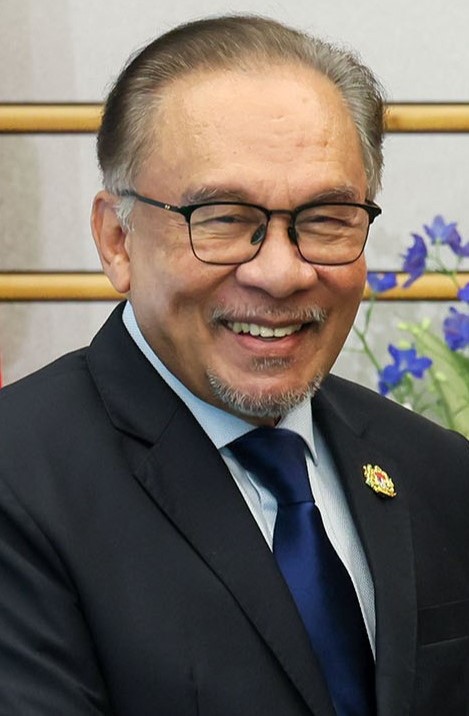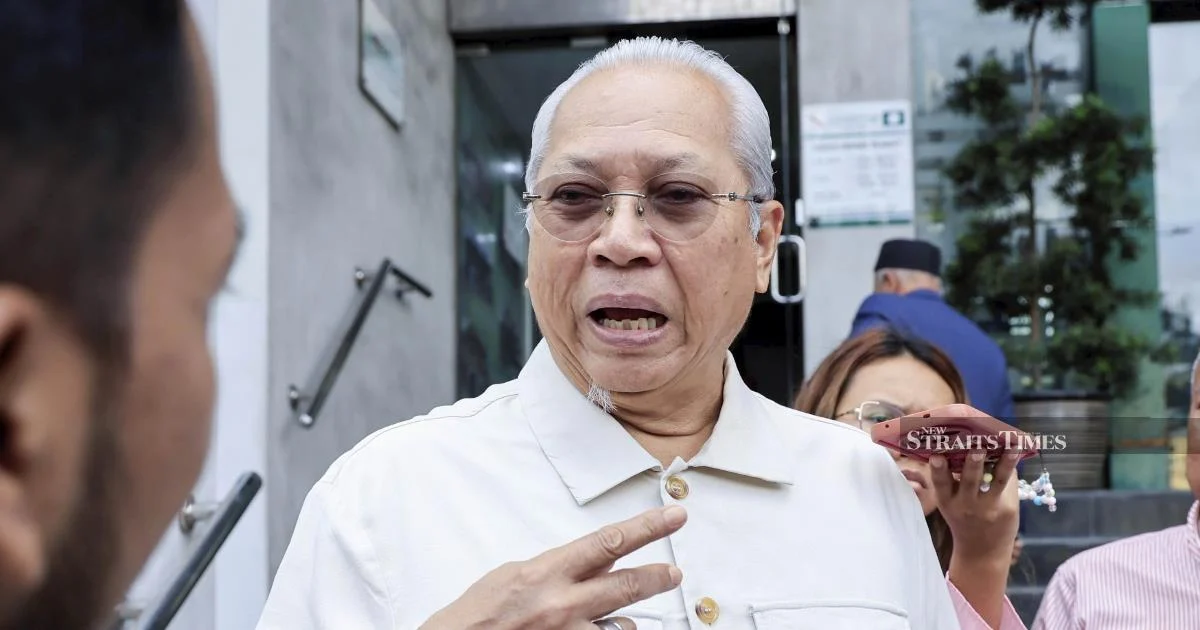
The senior ranks of Perikatan Nasional emerged from deliberations at PAS headquarters in Kuala Lumpur today expressing confidence that their coalition has navigated a potentially fractious phase in campaign preparation. The resolution of seat distribution arrangements—a perennially sensitive issue in multi-party electoral alliances—appears to have proceeded without the public acrimony that occasionally haunts such discussions in Malaysian politics. Coalition officials departing the venue conveyed optimism about the pathway forward, suggesting a unified front as the grouping prepares for the Johor electoral contest.
Seat-sharing negotiations between rival political parties competing within a coalition framework represent one of the most delicate aspects of pre-election coordination in Malaysia. The process demands that competing interests—each party's desire to maximise parliamentary representation, secure valuable constituencies, and maintain grassroots momentum—be reconciled through compromise and careful political calibration. That PN leadership emerged from these talks without reports of breakdown or rancorous disagreement indicates that the coalition's internal machinery has functioned adequately. The absence of public friction stands in contrast to previous election cycles where coalition partners have aired grievances about allocation fairness.
The smooth conclusion of these negotiations carries implications for the broader political landscape in Johor, a state traditionally considered crucial to national coalition-building efforts. As Malaysia's second-largest state by population and a traditional battleground in electoral contests, Johor remains strategically significant for any coalition aspiring to parliamentary dominance. PN's apparent internal cohesion on seat matters suggests the coalition presents a more unified challenge to rival political groupings. This contrasts markedly with periods when coalition disputes have generated voter scepticism about alliance stability or commitment to shared governance principles.
For Malaysian voters evaluating coalition credibility, smooth operational processes provide reassurance about effective governance capacity if such alliances assume power. Coalition partners who publicly disagree over parliamentary seat allocation before elections risk undermining voter confidence in their ability to coordinate policy implementation and fiscal management during governing periods. The PN leadership's evident satisfaction with negotiation outcomes therefore carries significance beyond mere administrative coordination—it serves as a confidence signal to the broader electorate about institutional coherence and professional political management.
The Johor context adds another layer of significance to these developments. The state government's political complexion will influence national policy direction on matters ranging from economic development priorities to federal-state revenue sharing arrangements. Political coalitions contesting Johor elections must therefore demonstrate not only capacity for internal agreement but also alignment around substantive governance priorities. PN's positive exit from these negotiations suggests coalition members have found sufficient common ground on both seat allocation mechanics and broader strategic direction to proceed confidently into campaign phases.
Regional implications warrant consideration as well. Johor's geographic proximity to Singapore and its position as a major economic hub means state-level policy decisions ripple across the broader Southeast Asian economic environment. Foreign investors and neighbouring jurisdictions observe Malaysian coalition stability as an indicator of broader political predictability. Coalition partners appearing harmonious during pre-election phases signal to external observers that Malaysia's political environment remains manageable and that governance frameworks will maintain consistency regardless of electoral outcomes.
The successful conclusion of PN's seat negotiations also reflects evolution in Malaysian coalition management practices. Decades of federal and state coalitions have produced institutional mechanisms and negotiating protocols that facilitate compromises when interests diverge. Senior party leaders have accumulated experience in reading which concessions matter most to coalition partners and which disputes merit escalation versus compromise. This accumulated expertise helps explain why coalitions can now resolve potentially contentious matters relatively expeditiously.
Looking forward, PN's demonstrated internal cohesion during pre-election negotiations establishes baseline expectations for campaign conduct and post-election cooperation. Should coalition partners achieve their electoral objectives in Johor, voters will assess whether the cooperative spirit displayed during seat negotiations persists through governance phases. Coalition governments often struggle when pre-election agreements receive insufficient monitoring or enforcement during implementation phases. PN leadership's public affirmation of successful negotiations creates accountability benchmarks against which subsequent governance performance will be measured.
The broader significance of these talks extends to how Malaysian political coalitions manage increasingly complex internal dynamics. Modern Malaysian coalitions encompass parties with varying ideological commitments, ethnic and religious constituencies, and regional support bases. Negotiating seat distributions across such diverse membership requires sophisticated understanding of local political terrain and sophisticated compromise frameworks. PN's apparent success in completing these negotiations suggests the coalition has developed adequate mechanisms for managing such complexity, at least in the pre-electoral phase.
As the Johor campaign progresses, observers will monitor whether the unity displayed during headquarters negotiations translates into cohesive campaign messaging and coordinated field operations. Coalition campaigns often falter when partner parties pursue contradictory public narratives or compete aggressively for voter attention in ways that undermine broader alliance messaging. The positive mood with which PN leaders concluded today's discussions suggests leadership commitment to maintaining this cooperative tone through subsequent campaign phases, though sustained unity will depend on execution capacity and evolving electoral dynamics.