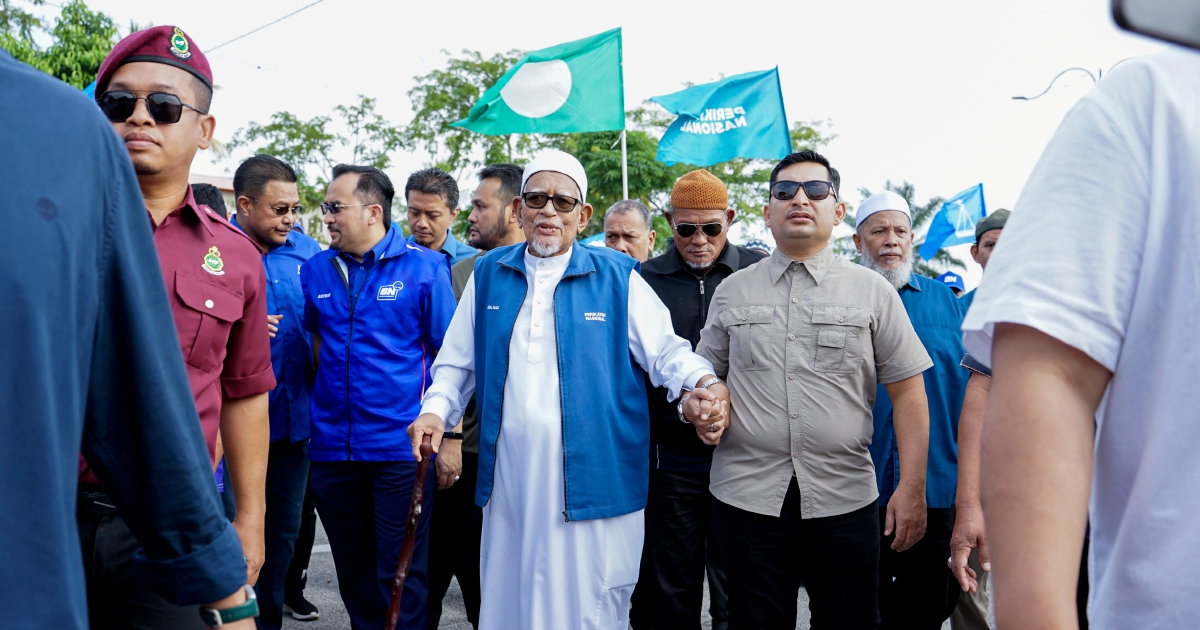
Perikatan Nasional and Barisan Nasional are engaged in ongoing seat negotiations ahead of the forthcoming Melaka state election, according to Pas president Tan Sri Abdul Hadi Awang. The discussions aim to establish a workable division of electoral constituencies between the two major political coalitions, a development that could significantly reshape the political landscape in the historically important southern state.
These negotiations represent a delicate balancing act in Malaysia's complex multiparty political environment. Perikatan Nasional, which includes PAS, Bersatu, and other component parties, must coordinate internally before presenting a unified position to Barisan Nasional, the traditional ruling coalition dominated by UMNO. The need for such high-level talks underscores the competitive nature of contemporary Malaysian politics, where no single coalition can assume automatic victory in any state election without careful strategic planning and inter-party consensus.
Melaka holds particular significance in Malaysian politics as a bellwether state that often signals broader electoral trends. Control of the state government carries substantial influence over development projects, resource allocation, and political patronage networks. For both PN and BN, success in Melaka would validate their respective political strategies and appeal to voters, making the seat-sharing negotiations far more than a technical exercise—they represent a test of each coalition's political viability and credibility.
The fact that Tan Sri Hadi is personally overseeing or announcing these negotiations suggests the discussions have reached a senior level of engagement. As PAS president, Hadi wields considerable influence over the party's electoral strategy and coalition-building efforts. His willingness to discuss seat allocations publicly indicates that both coalitions view a negotiated settlement as preferable to outright competition that might fragment opposition votes or weaken Barisan Nasional's traditional base.
Seat allocation talks between rival coalitions typically involve complex arithmetic regarding which party fields candidates in which constituencies. Each coalition seeks to maximize its winning seats while minimizing the risk of splitting votes in marginal areas. Historical performance data, demographic trends, and grassroots organizational strength all factor into determining who contests which seat. For PAS, ensuring adequate representation is crucial to maintaining party relevance within Perikatan Nasional and demonstrating tangible benefits to its supporters.
The timing of these negotiations carries implications for the broader national political environment. Malaysia's electoral calendar influences coalition dynamics at both state and federal levels. A successful seat-sharing arrangement in Melaka could establish a template for future cooperation between PN and BN in other state elections, potentially reshaping the country's political equilibrium. Conversely, failure to reach agreement might trigger internal tensions within both coalitions and complicate future inter-coalition relationships.
Barisan Nasional's approach to these negotiations reflects UMNO's recognition that maintaining relevance requires strategic flexibility rather than assuming perpetual electoral dominance. The coalition that once held uncontested power across Malaysia now must negotiate terms with rivals, a significant shift from Malaysian politics before 2018. This negotiation process demonstrates how substantially the political terrain has transformed, with competition now the default state rather than the exception.
For voters in Melaka, these behind-the-scenes negotiations will ultimately determine what choices appear on their ballot papers. The seat-sharing outcome will influence whether they can vote for PN or BN candidates in their constituencies, and whether they face three-way contests or simpler binary choices. Public perception of these negotiations will also affect voter sentiment—agreements viewed as delivering fair representation tend to generate legitimacy, while deals perceived as undemocratic arrangements can provoke backlash.
The negotiations also reflect broader trends in Malaysian coalition politics where informal power-sharing arrangements coexist with formal electoral competition. Rather than contesting every seat and potentially weakening each other, PN and BN appear willing to recognize mutual interests in certain constituencies. This pragmatic approach has become increasingly common as parties recognize that maintaining broad political coalitions often requires strategic concessions to coalition partners.
Successful completion of these seat negotiations could provide both coalitions with a platform to campaign on shared governance visions or complementary policy priorities. Alternatively, unresolved disputes over seat allocation could damage relations and complicate election administration. The upcoming weeks will therefore be crucial in determining whether PN and BN can reach consensus or whether electoral competition will proceed without a prior understanding.
For Melaka voters and Malaysian political observers generally, the outcome of these negotiations carries significance extending beyond a single state election. The agreement reached—or failure to reach one—will influence how coalitions interact across Malaysia's remaining states and potentially reshape calculations for future federal elections. The negotiations underway represent a microcosm of the complex political maneuvering that now characterizes Malaysian electoral politics.

