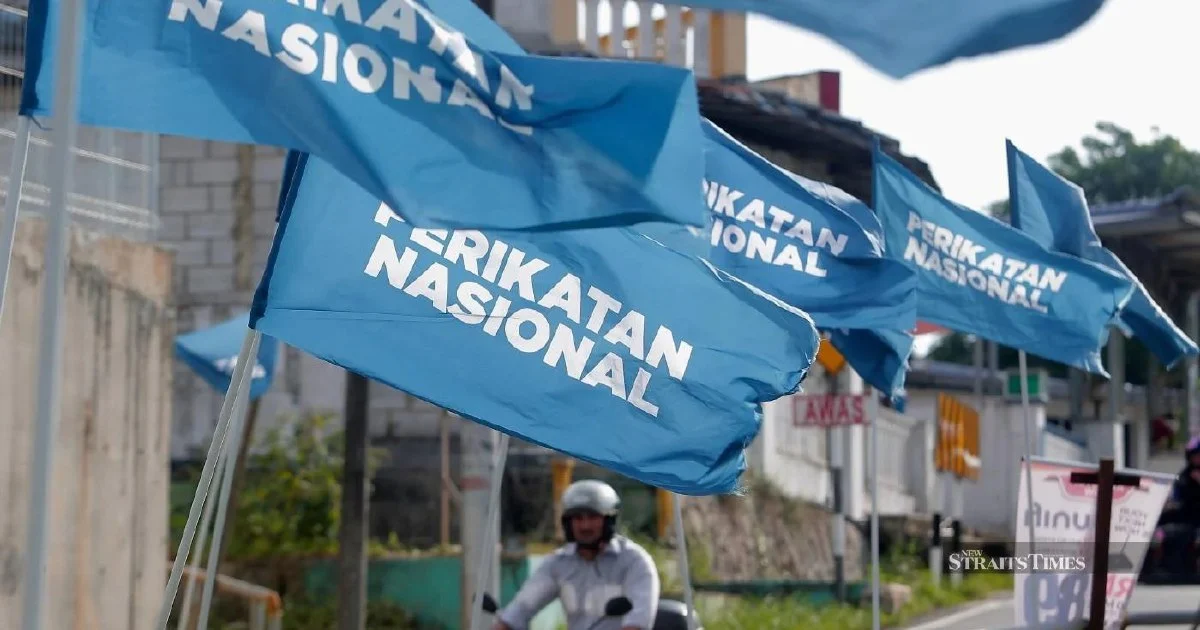
Perikatan Nasional appears committed to keeping its political alliance with Bersatu intact during a critical phase ahead of upcoming state elections in Johor and Negri Sembilan, according to assessments from Malaysian political analysts. The coalition's calculated restraint reflects the high stakes involved in these contests, which represent significant opportunities for PN to consolidate its position in key regions and demonstrate its capacity to govern at the state level.
The timing of these elections creates substantial pressure on PN to maintain internal cohesion. Any public displays of discord or internal squabbling could undermine voter confidence and hand advantages to competing coalitions. Analysts note that the proximity of these polls to potential points of tension within the PN framework makes strategic unity management essential for the bloc's electoral prospects.
Bersatu's role within PN has historically been complex, reflecting the party's evolution from its origins within UMNO-led structures to its current status as a significant player in Malaysia's political landscape. The party brings particular influence in certain constituencies and demographic segments that could prove decisive in closely contested state races. Maintaining Bersatu's engagement through the election cycle prevents the kind of defections or split campaigns that could fragment PN's voter base at crucial moments.
Johor represents one of Malaysia's most consequential political battlegrounds, with historical significance in national politics and considerable representation in parliament. Success in the state could enhance PN's credibility as a governing alternative and provide momentum heading into future national considerations. Negri Sembilan, while smaller, carries its own strategic importance in terms of peninsular political configurations and could contribute to broader regional positioning for the coalition.
The electoral mathematics in both states likely favours coalition coherence over individual party maximisation. Analysts suggest that PN's components have reached informal understandings about seat allocation, campaign messaging, and post-election governance arrangements that make their continued partnership mutually beneficial. Breaking these arrangements now would expose negotiated advantages and potentially alienate grassroots supporters who see value in unified opposition or alternative governance models.
Beyond the immediate electoral cycle, broader structural considerations influence PN's approach. The coalition has positioned itself as offering voters substantive policy alternatives and fresh governance approaches. Internal fracturing would validate criticisms that PN lacks the stability and discipline required for sustained governance. By demonstrating cohesion during challenging campaign periods, PN aims to build credibility as a serious governing alternative to established coalitions.
The relationship between Bersatu and other PN components, particularly PAS and smaller partners, requires delicate balance. Each party brings different constituencies and ideological commitments to the coalition. Managing these differences while maintaining unified campaign messages and coordinated ground operations demands conscious strategic choices, particularly when electoral pressures mount. Analysts believe current leadership across PN components recognises these dynamics and has prioritised holding the line.
For Malaysian voters, this coalition stability has practical implications. State-level governance requires implementing policies across diverse portfolios, and coalition governments function more effectively when partners maintain working relationships. Johor and Negri Sembilan electorates considering PN alternatives can assess not just proposed policies but the coalition's demonstrated capacity to work together on complex governance challenges. This performance testing will likely influence perceptions of PN viability for broader electoral contests.
The broader Southeast Asian context also matters. Malaysia's political volatility in recent years has drawn regional and international attention. Coalitions that can maintain stability and demonstrate orderly political processes contribute to regional confidence in democratic institutions. By keeping its components aligned during elections, PN contributes to perceptions of political maturity and institutional robustness that affect Malaysia's standing in regional affairs.
Looking forward, electoral outcomes in these states will test both the durability of PN's coalition structure and the effectiveness of its campaign strategies. If the coalition performs strongly, analysts expect the partnership to strengthen, potentially setting templates for coordinating larger electoral contests. Conversely, disappointing results could create pressures within the coalition that test the current commitment to maintaining unity. For now, all visible indications suggest PN components have made conscious decisions to prioritise coalition coherence through these critical campaign periods.