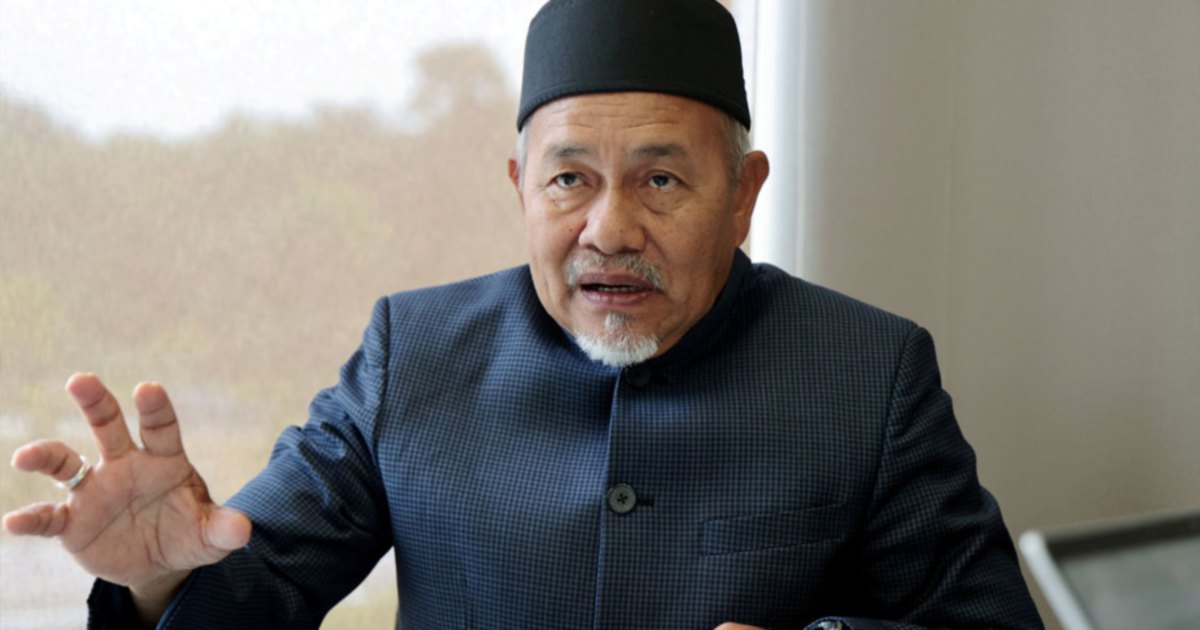
Perikatan Nasional has firmly rejected claims made by Bersatu that the coalition's Seat Negotiation Committee deferred its meeting indefinitely because PAS sought to pursue political cooperation with Barisan Nasional. The denial, issued in Kota Baru, underscores mounting tensions within the opposition alliance as the three-party coalition navigates complex internal dynamics ahead of potential electoral challenges.
The dispute centres on the timing and reasoning behind the postponement of crucial seat-allocation discussions between PN's constituent parties. Bersatu had suggested that PAS's interest in exploring closer ties with BN prompted the coalition to shelve negotiations, effectively signalling priorities had shifted. Such a move would have profound implications for the opposition bloc, potentially weakening its electoral positioning by introducing doubt about unified campaign strategies.
PN's rejection of Bersatu's narrative suggests the coalition leadership contests not merely the accuracy of the postponement explanation but also questions the appropriateness of Bersatu making such claims public. The manner in which internal disagreements are aired indicates underlying strains that could complicate coordination during a general election campaign, where seat distribution remains a contentious issue that determines electoral viability.
For Malaysian observers, the Perikatan Nasional dispute reveals how opposition coalitions remain vulnerable to internal fragmentation. Unlike governing alliances that benefit from patronage distribution and resource allocation to maintain cohesion, opposition blocs rely primarily on shared interest in challenging the government. When that unifying force weakens or individual parties pursue alternative partnerships, centrifugal forces quickly emerge.
PAS, as the largest party within PN, occupies a pivotal position that affords it considerable leverage in negotiations. Any suggestion that the Islamic party entertains simultaneous cooperation with BN signals that PN may not be its sole strategic focus. This hedging behaviour reflects rational political calculation—PAS seeks to maximise its influence regardless of which coalition configuration ultimately emerges as dominant.
Bersatu's decision to publicly attribute the postponement to PAS's external overtures appears designed to pressure the Islamic party into demonstrating commitment to the opposition alliance. By framing the delay as resulting from rival coalition courting, Bersatu attempts to force PAS to clarify its loyalties and prioritise PN negotiations. Such tactics, however, risk deepening resentment and mutual suspicion among parties that require trust for effective coordination.
The postponement itself reflects broader challenges in Malaysian coalition management. Seat negotiations involve complex calculations regarding constituency competitiveness, incumbent protection, and opportunities for each party to expand representation. When parties cannot reach consensus, deferring talks buys time but simultaneously signals dysfunction. Indefinite postponement suggests disagreements run deeper than technical seat-allocation issues.
For the opposition's broader strategic position, these internal disputes arrive at a particularly sensitive moment. The government's political stability remains contested, and electoral calculations depend partly on opposition readiness. A fractured PN presents vulnerabilities that the ruling coalition can exploit, while unified opposition coordination would pose greater electoral challenges. The public airing of PN tensions therefore carries consequences extending well beyond internal party management.
Regionally, Malaysia's opposition dynamics reflect patterns evident across Southeast Asia, where multi-party coalitions struggle with internal coherence. Thailand, Indonesia, and the Philippines all demonstrate that opposition blocs frequently fragment when individual parties perceive opportunities to secure power through alternative partnerships. PN faces similar centrifugal pressures, particularly given the historical fluidity of Malaysian political alignments where parties shift coalitions in response to electoral prospects.
The specific allegation concerning PAS-BN cooperation, whether accurate or exaggerated, touches on fundamental questions about opposition viability in Malaysia's current political landscape. BN's historic dominance means it retains negotiating power despite recent electoral setbacks, making it an attractive alternative for ambitious parties. PAS may view simultaneous engagement with both PN and BN as prudent hedging rather than disloyalty.
Moving forward, PN faces a critical juncture. The coalition can only function effectively if member parties clearly prioritise unified action over individual advancement. The public dispute between Bersatu and PN leadership suggests this prioritisation remains uncertain. Without resolution, seat negotiations will remain stalled, hampering the opposition's preparation for electoral competition and reinforcing perceptions that PN cannot govern as a unified entity.
The dispute also raises questions about coalition governance structures. If seat negotiations remain hostage to inter-party disputes, PN requires mechanisms for conflict resolution that carry sufficient authority to enforce decisions. The current situation suggests such mechanisms either lack sufficient power or failed in their application, allowing public disagreements to fester.
Ultimately, this episode demonstrates how Malaysian opposition politics remains shaped by elite calculations and personal relationships rather than institutional frameworks. Coalitions survive only when constituent parties maintain sufficient trust and see mutual advantage in cooperation. Bersatu's allegations, regardless of their accuracy, signal that such trust is eroding within PN, a development with consequences extending well beyond the coalition itself into Malaysia's broader political balance.

