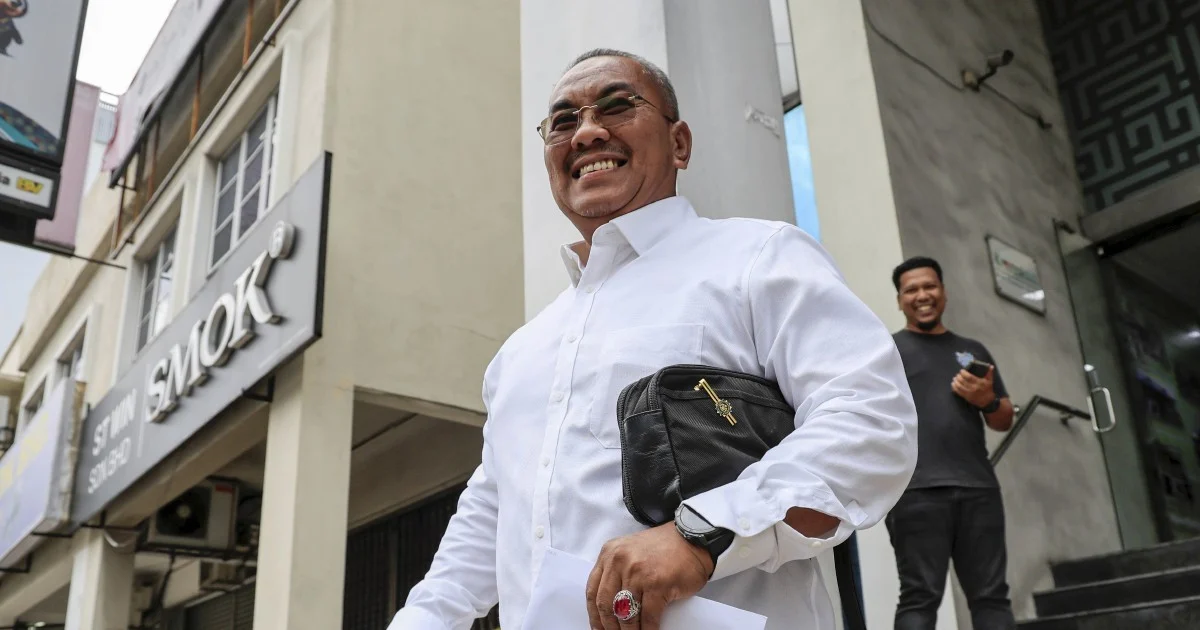
Perikatan Nasional's election machinery has successfully navigated the typically contentious process of allocating parliamentary and state assembly seats in Johor, with coalition leadership confirming that all disputed seat assignments have been resolved. Datuk Seri Sanusi Md Nor, serving as the opposition alliance's election director, made the announcement in Kuala Lumpur, signalling that the groundwork for PN's campaign in the state is now in place and the coalition can pivot its focus toward campaigning and mobilisation efforts.
The resolution of 34 overlapping seats represents a significant milestone for PN, an alliance that includes PAS, Perikatan Pribumi Bersatu Malaysia (PPBM), and other component parties. Seat negotiations within multi-party coalitions routinely become flashpoints for internal tension, as each party seeks to maximise its electoral prospects and parliamentary representation. The fact that PN managed to settle all disputed allocations without a protracted standoff underscores either considerable goodwill among partners or skillful arbitration from the coalition's leadership structure.
Johor holds particular strategic importance for Malaysian politics. The state is a major population centre with considerable economic clout, and its electoral composition influences the balance of power at both state and federal levels. For PN, a coalition that has positioned itself as an alternative to the incumbent federal government, performing strongly in Johor would materially strengthen its negotiating position in national politics. The state's traditional political leanings and demographic diversity make it a genuine battleground rather than a safe seat for any single coalition.
The completion of internal negotiations removes a potential source of public discord within PN ahead of campaigning. Coalition members can now present a unified slate to voters rather than continue airing disputes about seat distributions, which tends to undermine public confidence and energise opponents. This is particularly important given that coalition solidarity is often tested during election cycles, when component parties simultaneously pursue their own organisational interests.
For Malaysian voters in Johor, the resolution provides clarity about who will contest each constituency, allowing them to evaluate candidates and party platforms more effectively. The settlement also indicates that PN intends to contest the Johor election as a cohesive force, rather than fragmenting its effort across competing candidacies in the same seats, which would effectively hand seats to rival coalitions or candidates. This consolidated approach typically increases electoral efficiency for a coalition.
The timing of this announcement reflects standard pre-election procedures. Once seat negotiations conclude, political parties and coalitions typically spend several weeks preparing candidates, crafting manifestos, and launching organisational campaigns. PN's announcement today suggests the coalition is on schedule with its electoral preparations, though no official election date for Johor has been announced at this writing.
Sanusi's role as election director places him at the heart of PN's campaign machinery. His confirmation of seat negotiations' completion carries weight within the coalition structure, and his public announcement serves to project competence and unity to both the coalition's base and the broader Malaysian electorate. Any announcement of unresolved disputes or delayed settlements would have invited speculation about internal fractures.
The resolution process itself reflects a balance of power among PN components. PAS, as the largest party in the coalition, typically commands significant leverage in such negotiations, while PPBM and other partners must secure sufficient seats to justify continued participation. The fact that overlapping disputes numbered 34 suggests that PN's component parties did file competing candidacy bids in many constituencies, which is normal but requires careful negotiation to resolve fairly.
Beyond the immediate electoral mechanics, PN's success in managing internal negotiations could enhance its credibility as a potential governing coalition. Malaysian voters often assess opposition alliances partly by their capacity to function cohesively, viewing internal conflicts as predictive of how partners would govern together. A coalition that appears fractious during campaign season raises doubts about its ability to govern harmoniously if elected.
For the incumbent Johor state government and other competing coalitions, PN's completion of seat negotiations signals that a unified opposition campaign is now underway. This may accelerate their own campaign timelines and force other coalitions to finalise their own seat arrangements more quickly, creating a cascade effect across Malaysian electoral politics.
The resolution also allows PN to focus messaging and resources more strategically. With candidacy disputes settled, the coalition can coordinate messaging across constituencies, deploy campaign resources where they are most needed, and present coherent policy positions to voters. This integrated approach typically improves electoral performance relative to coalitions that remain preoccupied with internal seat-sharing disputes.
Moving forward, PN's next challenge lies in translating organisational readiness into electoral success. Settled seat allocations represent necessary but insufficient conditions for victory; candidates must still campaign effectively, policies must resonate with voters, and broader political dynamics must favour the coalition. However, completing internal negotiations without acrimony provides PN with a platform from which to pursue these additional objectives.