The Ministry of Education is backing 123 Sekolah Inspirasi in Perak with RM12.3 million in dedicated funding to roll out programmes aimed at lifting educational standards across the state. Each school receives RM100,000 under the initiative, split between 60 secondary institutions and 63 primary schools, marking a significant investment in the state's school system as the government pushes forward with its Malaysian Education Blueprint (RPM) 2026-2035 roadmap.
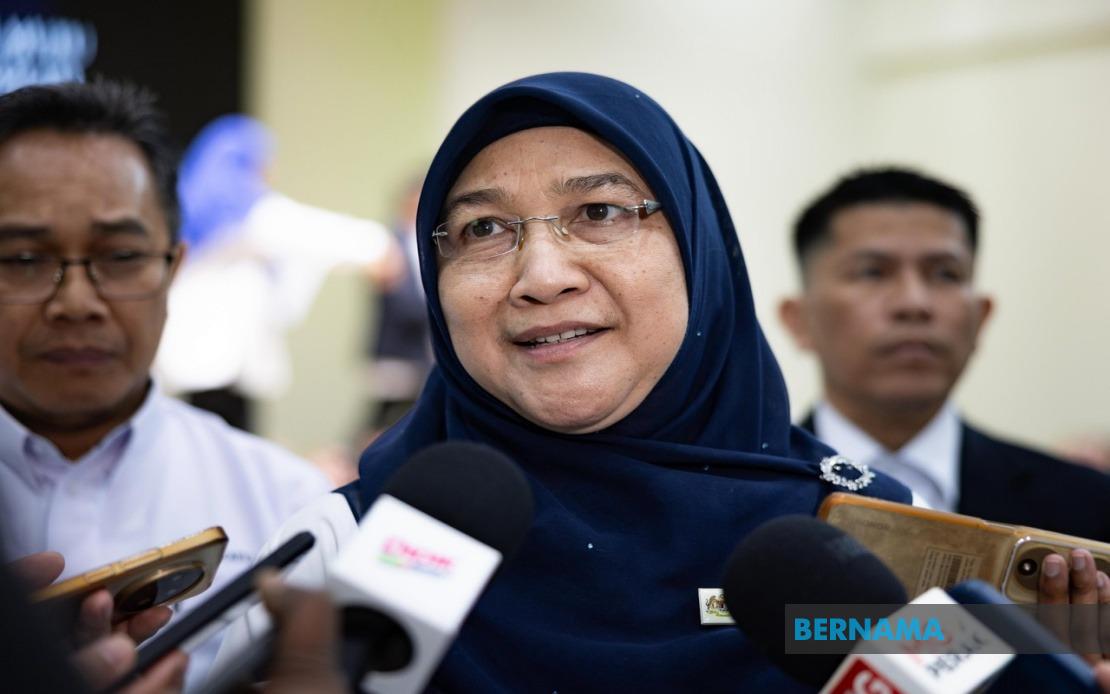
According to Salmah Abd Murad, deputy director of the MOE Daily School Management Section (BPSH), the financial injection represents a cornerstone of the ministry's broader school reform strategy. The funding allocation was unveiled during a presentation ceremony at the Perak Education Department headquarters, with letters confirming the school quality improvement initiative formally handed over to recipients. This nationwide rollout encompasses 1,500 schools across Malaysia, with Perak's allocation being channelled from August onwards and expected to be fully utilised by year-end.
The programmes financed through this scheme concentrate on four interconnected pillars: elevating the calibre of classroom instruction and learning experiences, fortifying school management structures and decision-making, advancing the professional competencies of teaching staff, and—most critically—translating these improvements into measurable gains in student achievement. Rather than imposing a top-down framework, schools have been granted flexibility to design interventions suited to their specific contexts and student demographics, allowing for locally responsive solutions within a coordinated national strategy.
Facilitating academic advancement in Bahasa Melayu, English and STEM subjects takes centre stage in how schools are deploying funds. Beyond these core subjects, many institutions are deploying resources toward character and values education, recognising that holistic development extends beyond examination performance. The funding also supports initiatives to upgrade the physical learning environment—from classroom aesthetics to playground facilities—based on evidence that welcoming, well-maintained spaces correlate with improved attendance and engagement.
Selection of participating schools followed rigorous evaluation under the Malaysian Education Quality Standard (SKPM) framework, ensuring that allocations reached institutions demonstrating genuine capacity to leverage additional resources effectively. This targeted approach prevents wasteful dispersal and concentrates support where systemic assessment indicates the greatest potential for transformation. Schools meeting this threshold represent a cross-section of Perak's educational landscape, from urban centres to rural districts, suggesting a deliberate attempt at equitable geographical distribution.
A critical feature of the programme is its emphasis on knowledge exchange between schools. The ministry is actively encouraging high-performing institutions and exemplary educators to mentor and share methodologies with recipient schools, creating a peer-learning ecosystem. This horizontal transfer of expertise often proves more sustainable than external consultancy, as it builds on practices already embedded within Malaysian school contexts and relationships that can endure beyond the initial funding cycle.
The programmes themselves emerge from schools' own strategic planning processes, making the funding a catalyst for scaling up aspirations rather than imposing external agendas. Many schools have long identified the pedagogical approaches and environmental improvements they wished to pursue but lacked the financial firepower to execute comprehensively. By releasing RM100,000 per school, the ministry is essentially removing the funding constraint that prevented good intentions from becoming reality.
For Malaysian policymakers and education observers, this initiative signals a shift toward results-oriented school investment and accountability. Rather than general budget increases distributed broadly across systems, the RM12.3 million represents concentrated, purposeful deployment tied to measurable outcomes. The emphasis on teaching quality and school leadership reflects growing recognition that hardware—facilities and materials—matters less than human capital and institutional capability.
The timing aligns with Malaysia's need to strengthen educational competitiveness in the region. As Southeast Asian peers invest heavily in STEM education and English proficiency, initiatives targeting precisely these domains in Perak schools address a documented national priority. The inclusion of character development signals awareness that employers increasingly seek soft skills alongside technical knowledge, pushing schools to balance examination success with broader capability development.
For Perak specifically, the infusion of RM12.3 million represents meaningful resource concentration in a state that historically has competed with more developed regions for educational talent and facilities investment. The spread across both rural and urban areas suggests recognition of persistent quality gaps between school types and locations. As implementation proceeds through the remainder of 2024, outcomes from Perak's 123 schools will provide instructive lessons for the nationwide network of 1,500 institutions and potentially inform future targeting of education funding across Malaysia's states.

