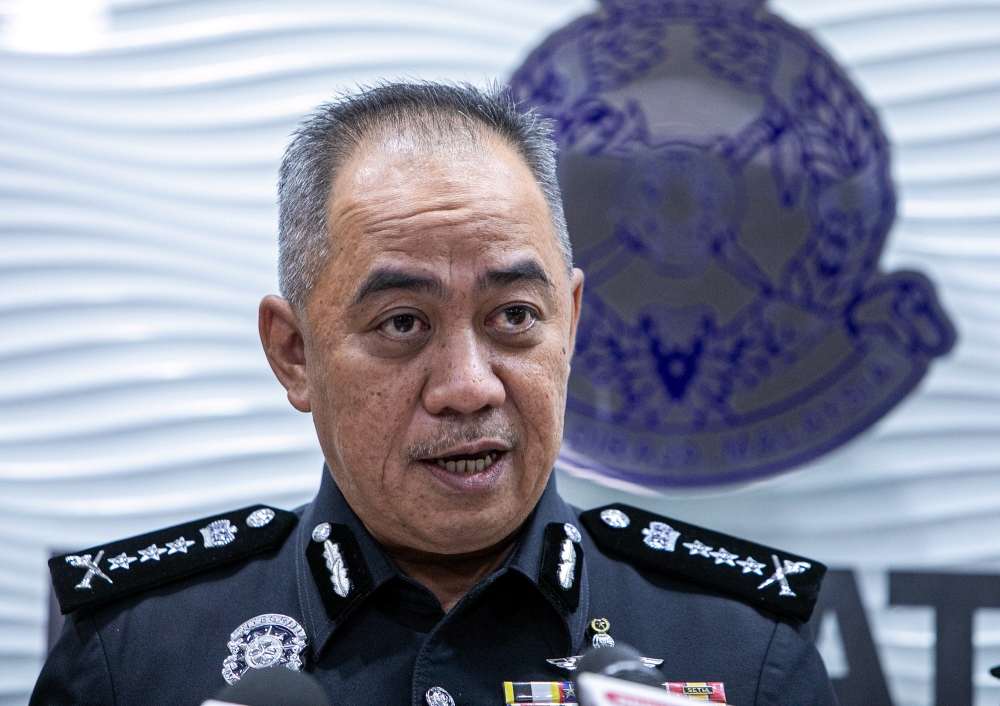
Perak police have dismantled what they believe are sophisticated love scam networks operating from Ipoh, arresting 12 Chinese nationals in coordinated enforcement operations. The arrests represent an escalation in authorities' efforts to combat increasingly organised international fraud syndicates that exploit emotional vulnerabilities and financial assets across Malaysia and Southeast Asia.
The dual raids targeted premises suspected of housing call centres where operatives systematically engineered romantic relationships with unsuspecting victims, typically extracting money through fabricated emergencies, investment opportunities, or property transactions. Law enforcement officials described the operations as well-structured criminal enterprises employing deceptive digital personas and psychological manipulation techniques refined over extended periods.
Romance fraud, also termed "advance-fee scam" in its various manifestations, has emerged as one of Malaysia's most persistent and financially damaging cybercrime categories. Unlike opportunistic phishing or malware attacks that target broader audiences with modest individual losses, love scams involve meticulous relationship-building over weeks or months, ultimately yielding substantially larger financial extractions from each victim. The psychological foundation of romantic trust makes these victims particularly resistant to recognising deception until significant sums have been transferred.
The Ipoh-based operations fit a documented pattern increasingly observed across Southeast Asia, where criminal networks operating from Chinese jurisdictions utilise Malaysian and international recruits as ground operatives, money launderers, and relationship facilitators. The infrastructure supporting such enterprises typically includes rental accommodations with high-speed internet connectivity, multiple telephone lines with international calling capabilities, and sophisticated customer relationship management systems tracking victim profiles, payment histories, and emotional vulnerabilities.
Police investigations indicate the detained individuals occupied various roles within the hierarchy, from relationship managers who maintained direct victim contact to financial facilitators coordinating fund transfers. The operational model frequently involves victims being instructed to transfer money to Malaysian bank accounts, from which funds are subsequently moved through hawala networks, cryptocurrency exchanges, or physical courier systems to final destinations, complicating trace and recovery efforts.
For Malaysian citizens targeted by such scams, the financial and emotional toll extends beyond immediate monetary loss. Victims often experience profound psychological trauma, damaged social relationships due to embarrassment, and diminished trust in digital communication platforms. Some individuals have reportedly lost retirement savings, educational funds, or borrowed money from family members to satisfy fabricated crises manufactured by scammers, resulting in cascading financial hardship affecting entire households.
The Perak Police Commercial Crime Investigation Department has committed to expanding investigations to identify upstream networks supplying operational infrastructure, financial services facilitating money movement, and recruitment pipelines supplying personnel. Authorities emphasise that prosecuting frontline operatives, whilst important, represents only partial disruption unless supply chains sustaining these networks are simultaneously targeted through international cooperation.
Cross-border coordination remains essential, as love scam operations typically operate across multiple jurisdictions simultaneously. Malaysian authorities have established liaison channels with counterparts in China, Singapore, and Thailand to share intelligence regarding suspect identification, financial transaction tracing, and victim assistance protocols. The complexity of international prosecution jurisdictional issues, however, frequently permits criminals to escape substantive accountability despite evidence of extensive victim harm.
Bank Negara Malaysia and the Malaysian Communications and Multimedia Authority have recommended citizens adopt protective measures including verification protocols before transferring funds, scepticism regarding unsolicited romantic overtures from individuals residing overseas, and prompt reporting of suspicious communications to law enforcement. Financial institutions have been urged to implement enhanced transaction monitoring identifying patterns consistent with romance fraud, particularly sudden large transfers from accounts showing minimal prior international activity.
The sustainability of romance scam operations depends substantially upon victim silence, as embarrassment inhibits reporting and enables perpetrators to reapproach markets repeatedly. Public awareness campaigns emphasising that victimisation reflects manipulative criminal sophistication rather than personal gullibility have proven instrumental in encouraging report submission and victim cooperation with investigations. Increased reporting ultimately generates intelligence identifying operational patterns, facilitating preventative interventions.
Longer-term solutions require addressing underlying conditions enabling these criminal enterprises to flourish. Reducing operational attractiveness involves strengthening international financial oversight, restricting money service provider access for high-risk jurisdictions, and implementing cryptocurrency exchange regulations preventing anonymous fund movement. Simultaneously, enhancing victim support services and promoting digital literacy targeting vulnerable populations—particularly elderly citizens and individuals experiencing emotional isolation—addresses demand-side vulnerabilities scammers systematically exploit.
The Ipoh operation demonstrates both enforcement progress and persistent challenges confronting Malaysian authorities combating sophisticated international organised crime. Whilst arrests constitute meaningful tactical successes, genuine disruption requires systemic approaches addressing financial infrastructure enabling fund movement, international cooperation mechanisms facilitating perpetrator accountability, and societal measures reducing victim vulnerability. Authorities acknowledge the ongoing evolution of scam methodologies, anticipating perpetrators will modify tactics responding to enforcement pressure, necessitating similarly adaptive security responses.

