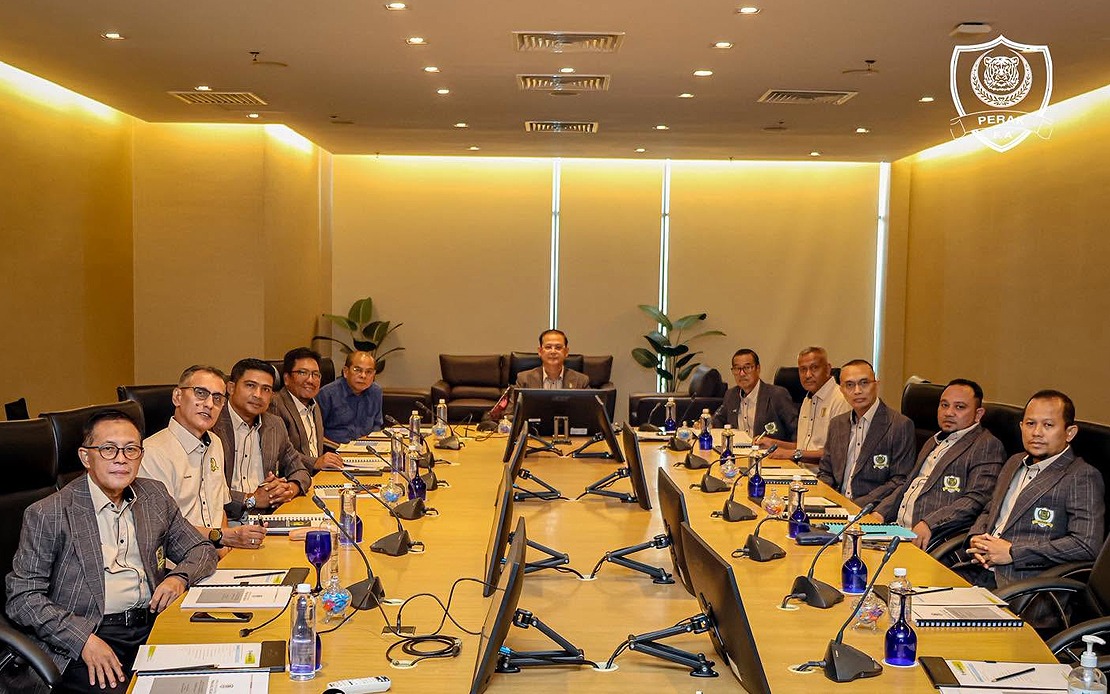
Perak Football Association has announced plans to recruit a new head coach for the 2026-2027 Liga A1 Semi-Pro season, marking a significant shift in the state's technical leadership following fresh guidelines introduced by the Amateur Football League. The decision comes as the governing body for Malaysian semi-professional football has mandated that every participating team must employ a head coach holding an AFC Pro Diploma Coaching License, commonly referred to as a Pro-A credential. This requirement reflects an effort to standardise coaching standards across the league and raise the overall quality of grassroots and semi-professional football development in the country.
The Perak Football Association statement emphasised that the incoming coach will need to satisfy not only the licensing prerequisites but also demonstrate proven credentials across multiple dimensions of football development. Priority will be given to candidates with established expertise in grassroots football development programmes, contemporary coaching methodologies, and a documented track record of success at state, national, and international levels. By setting these criteria, Perak aims to attract experienced tacticians capable of bridging the gap between youth development and competitive performance. This approach reflects a broader strategic vision within Malaysian football to cultivate coaching talent that can address both immediate competitive needs and longer-term player development objectives.
The decision to recruit a new head coach builds upon the foundation laid by Syamsul Saad, who guided Perak through the previous season. Under Saad's direction, the team secured a respectable fifth-place finish in the Liga A1 standings while also reaching the semi-finals of the MFL Challenge Cup and progressing to the quarter-finals of the Malaysia Cup. Despite achieving these milestones, the association determined that a fresh appointment aligned with the new AFC Pro Diploma mandate would better position the team for sustained competitiveness. Saad's tenure demonstrated that Perak possessed the infrastructure and player quality to compete effectively; the incoming coach will be tasked with elevating this performance and establishing Perak as a consistent contender within Malaysian semi-professional football.
A notable aspect of Perak's approach involves retaining the existing coaching staff rather than implementing wholesale changes. The association has committed to integrating the new head coach with the current support system, creating a blended technical structure that preserves institutional knowledge whilst introducing fresh expertise and certification credentials. This inclusive strategy suggests that Perak values continuity and believes the existing coaching personnel have contributed meaningfully to the team's recent achievements. By pairing experienced local coaches with a newly appointed head coach possessing international-standard qualifications, the association aims to create a cohesive technical environment capable of delivering both immediate results and sustainable development.
Player retention has also featured prominently in Perak's planning for the upcoming season. The association will extend new contracts to squad members who successfully completed the previous season's performance evaluation process, signalling confidence in the existing playing group whilst maintaining standards of accountability. This approach stabilises the squad composition and allows the new head coach to work with familiar personnel rather than inheriting an entirely unfamiliar roster. For players passing the evaluation threshold, contract renewal represents recognition of their contribution and commitment, whilst creating continuity that should enable faster tactical implementation and improved team cohesion under the new coaching regime.
Beyond Liga A1 Semi-Pro competition, Perak has outlined an ambitious multi-tiered development strategy encompassing participation in Liga A2 Amateur and the President's Cup during the 2026-2027 season. This expanded competitive calendar reflects a deliberate commitment to providing broader exposure for emerging talent identified through grassroots development initiatives. By competing across multiple competition formats, Perak creates additional opportunities for younger players to gain match experience and demonstrate their capabilities to the senior coaching staff. The stratified competitive structure also allows the association to evaluate player development trajectories and identify individuals ready for progression to higher levels of competition.
The comprehensive talent pipeline supporting this strategy has already yielded tangible results. The Perak Football Association has cultivated approximately 70 players aged between 18 and 24 through interconnected development programmes spanning the Malaysia Games (SUKMA), Liga A1 Semi-Pro, and the newly established Liga Perak Sejahtera 2030. This cohort represents the fruits of sustained investment in grassroots football and illustrates Perak's capacity to generate home-grown talent. The diversity of competitive pathways means that young players progress through increasingly challenging environments, gradually developing the technical, tactical, and mental qualities required for elite competition. For Malaysian football observers, Perak's model demonstrates how state associations can systematically develop player pipelines whilst maintaining competitive performance at semi-professional level.
The Perak Sejahtera 2030 Plan features prominently in the association's stated ambitions, reflecting alignment between football development and broader state development priorities. By explicitly connecting the new head coach appointment and squad planning to this overarching framework, Perak positions football as integral to the state's social and economic development agenda. This integration suggests that state football is viewed not merely as sporting competition but as a vehicle for community development, youth engagement, and talent identification that can benefit society more broadly. The Plan's emphasis on sustainability aligns with Perak's multi-tiered talent development approach and signals long-term commitment to building institutional capacity.
Financial and administrative support underpinning these developments has received explicit recognition from state political leadership. Menteri Besar Datuk Saarani Mohamad has provided consistent backing for football development planning, enabling the association to pursue ambitious competitive and developmental objectives. This high-level political endorsement strengthens Perak's capacity to invest in coaching standards, facility development, and player welfare. For Malaysian football stakeholders, the visibility of state leadership support for football development represents an encouraging signal that semi-professional football receives recognition as worthy of sustained government investment and attention.
The appointment of an AFC Pro Diploma-qualified head coach must be understood within the broader context of Malaysian football's development trajectory. The Amateur Football League's new licensing requirement reflects international best practices whereby coaching standards directly influence competitive outcomes and player development quality. By enforcing this qualification standard, Malaysian football authorities are attempting to professionalise the coaching profession and ensure consistency across competition tiers. For Perak and other state associations, compliance with this requirement necessitates proactive recruitment and possibly higher investment in coach remuneration to attract candidates meeting these elevated qualifications. This systemic shift may accelerate the professionalisation of Malaysian semi-professional football and create pathways for certified coaches to establish sustainable careers within the domestic game.
Looking forward, the success of this coaching and development strategy will be measured not merely by competitive outcomes in Liga A1 but by the capacity to generate sustainable player development pathways and establish Perak as a recognised centre of football excellence within Malaysia. The convergence of coaching expertise, player retention, expanded competitive opportunities, and grassroots development infrastructure creates conditions for medium-term institutional success. For Malaysian football observers monitoring developments across state associations, Perak's strategic approach offers a model for integrating licensing requirements with broader talent development ambitions.

