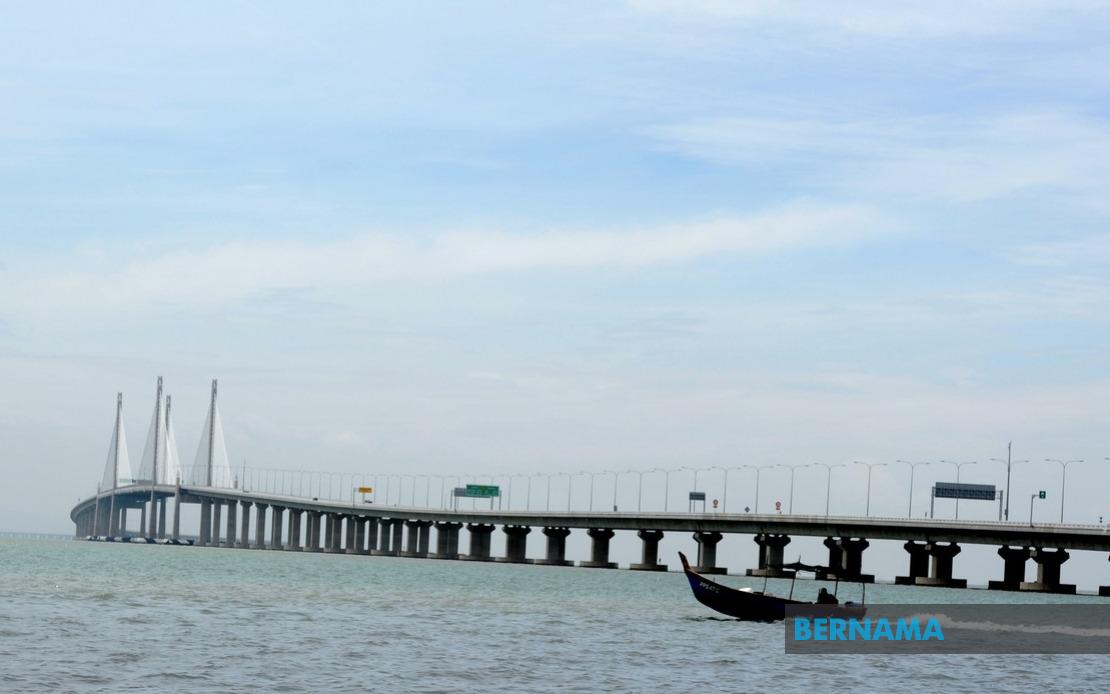
The eastbound stretch of Penang's Sultan Abdul Halim Mu'adzam Shah Bridge will go offline for nearly seven hours next week to host the Cultural Night Run 2026, an annual event that draws participants across the northern corridor. Jambatan Kedua Sdn Bhd announced the closure spanning from 8 pm on August 8 through 3 am on August 9, requiring careful traffic planning for commuters and freight operators dependent on the Second Bridge link between the island and mainland.
This temporary disruption underscores a recurring tension in Penang's transport infrastructure, where major bridges must balance their primary function moving thousands of daily vehicles with cultural and sporting events that showcase regional identity. The Cultural Night Run has grown into a significant attraction, drawing participants who value the unique experience of running across one of Malaysia's most recognizable crossings. However, such closures inevitably create bottlenecks for the broader travelling public, particularly commercial transport operators whose schedules remain fixed regardless of planned outages.
The bridge operator clarified that only the eastbound direction—running from Batu Maung towards Batu Kawan—will experience the full closure. This partial approach preserves some traffic capacity, allowing westbound movement from the mainland back to Penang island to proceed uninterrupted. The decision reflects an attempt to minimize disruption by maintaining at least one direction of travel, though evening commuters from the industrial zones of Batu Kawan may still face congestion as traffic consolidates onto the available lane.
Alternative routes remain available during the closure period. Motorists can divert to the Penang Bridge, the original crossing between Georgetown and Seberang Prai, which will absorb overflow traffic. Additionally, connections from Bandar Cassia and the Batu Kawan Industrial Park directly to the North-South Expressway bypass the Second Bridge entirely, providing options for those heading further south or north without requiring island transit. These alternatives exist, though they add distance and tolls for some travellers, particularly those making routine peninsula-to-island movements.
For freight and logistics companies, the closure timing carries implications worth noting. An 8 pm start means evening rush-hour traffic will begin clearing just as the eastbound closure takes effect, but overnight operations—increasingly common for regional commerce to avoid daytime congestion—will face restrictions. Trucks bound for Penang ports, manufacturing facilities, and distribution centres must either complete their crossing beforehand, wait until 3 am when the route reopens, or divert entirely. The seven-hour window is substantial enough to disrupt carefully choreographed supply chains, particularly for perishables and time-sensitive shipments.
Penang's two bridges have become integral to understanding the state's economy and growth trajectory. The Second Bridge, opened in 2008, fundamentally altered transport dynamics by providing a southern route that bypassed central Georgetown's congestion. Since then, industrial development has clustered around Batu Kawan and beyond, making the bridge a critical vein for the region's manufacturing and logistics heartland. Any closure forces a recalibration of regional traffic patterns, concentrating vehicles onto the older Penang Bridge and alternative routes that were never designed to absorb the volumes that now depend on distributed capacity.
The operator's advisory urging compliance with traffic instructions and signage reflects standard practice, yet the effectiveness of such messaging remains variable. During major events, drivers often underestimate diversions' actual duration and congestion severity, leading to delays that cascade across multiple hours. The three-hour window between event end and normal traffic resumption—scheduled for 3 am—theoretically allows for quick reopening procedures, though any complications could extend the closure and create problems for early-morning commuters and delivery operations.
Cultural events like the night run serve genuine community purposes, fostering civic participation and attracting visitors whose spending benefits local businesses and hospitality sectors. Penang has positioned itself as a lifestyle and tourism destination, and distinctive events leveraging iconic infrastructure contribute to that identity. The night run's appeal partly stems from its setting on a major thoroughfare, creating an experience impossible on ordinary routes. This creates a legitimate case for infrastructure accommodation, provided the costs remain proportionate and predictable.
However, the cumulative effect of periodic closures warrants consideration. If such events multiply—or if other infrastructure projects require similar outages—the reliability of bridge crossings becomes questionable, potentially affecting business investment decisions and residential location choices for workers. Some companies and individuals already factor bridge reliability into site selection, and repeated announcements of closures strengthen the case for enhanced capacity, whether through new links or improved public transport alternatives that reduce automobile dependency entirely.
Looking ahead, stakeholders should weigh whether the Second Bridge's role in regional transport justifies expanding its capacity, improving alternative routes, or promoting public transit adoption. Penang Island's geography constrains land-based options, making water and rail alternatives worth investigating. The night run and similar events will continue attracting organisers keen to use iconic locations, making such closures routine rather than exceptional. Planning for this pattern proactively, rather than managing closures ad hoc, could transform periodic disruptions from inconveniences into managed transitions that maintain both safety and community engagement.

