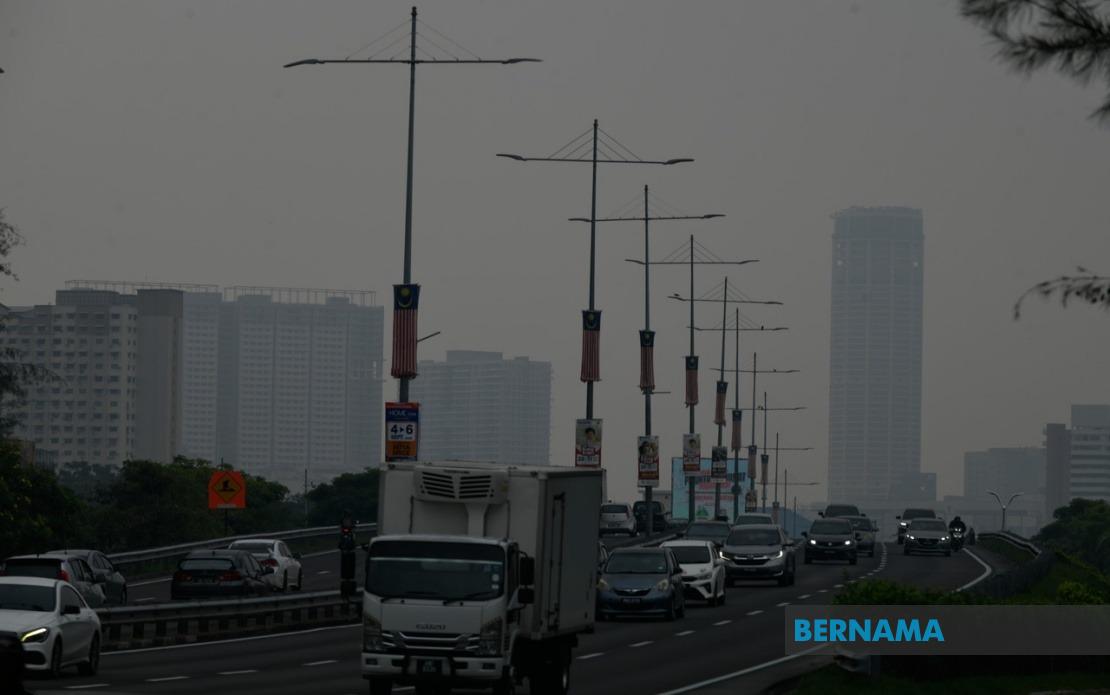
The Penang Education Department (JPNPP) has issued comprehensive directives requiring all District Education Offices and schools across the state to strengthen their readiness protocols in response to deteriorating haze conditions. The measures aim to safeguard the health, safety and general wellbeing of students and educational staff as air quality fluctuates across the peninsula.
Central to the department's strategy is a system of escalating responses calibrated to the Air Pollutant Index (API). Schools have received explicit instructions to cease all outdoor activities when API readings climb above 100, a threshold that categorises air quality as unhealthy for vulnerable populations. The department has made clear that educational institutions must remain vigilant in monitoring these readings on a continuous basis and stay alert to updated warnings from environmental authorities.
When API measurements exceed 200, schools face mandatory closure orders to prevent mass exposure to hazardous air. At the most severe level—when API readings surpass 500—teaching staff and other school personnel are exempted from reporting to campuses, a provision that acknowledges the serious health risks posed by extreme haze episodes. These tiered thresholds provide schools with objective, science-based benchmarks for decision-making rather than subjective assessments of air quality.
The Department of Environment recorded unhealthy API readings across 29 locations nationwide as of 2 pm on August 25, with several Penang areas among the affected zones. Minden, Seberang Perai and Balik Pulau were specifically identified as recording elevated pollution levels, indicating that the state's haze situation warrants the heightened precautions now mandated. This represents a tangible manifestation of the transboundary air pollution that periodically affects Malaysia during dry seasons in the region.
Beyond activity restrictions and closure protocols, the JPNPP has outlined practical measures schools must implement to mitigate haze exposure. Educational institutions are required to maintain adequate supplies of drinking water, actively encourage students to maintain proper hydration, and work to limit students' time outdoors. These foundational steps recognise that staying hydrated and reducing inhalation of polluted air form the first line of defence against haze-related health impacts.
Special consideration must be extended to vulnerable student populations, particularly those with existing health conditions or those exhibiting illness symptoms. Schools are instructed to monitor such students closely during haze episodes, as children with respiratory conditions, asthma or cardiovascular issues face disproportionate risks from air pollution. The distribution and appropriate use of face masks among students and staff is being encouraged, though the guidance stops short of mandating universal masking, allowing schools discretion based on local circumstances.
Coordination and transparency across the education system form a critical component of this response framework. Schools are required to report their ongoing developments and the specific measures they implement to their respective District Education Offices and to JPNPP itself. This reporting mechanism ensures that state-level authorities can monitor compliance, identify emerging problems and coordinate responses across Penang's diverse school network. The department's emphasis on systematic information flow reflects lessons learned from previous haze episodes about the importance of real-time situational awareness.
The announcement reflects broader Southeast Asian challenges with seasonal air pollution, as smoke and haze from agricultural burning in Indonesia periodically drifts into Malaysian airspace, degrading air quality across the peninsula. Penang, situated on Malaysia's western coast, regularly experiences significant haze episodes during the dry season. Educational disruptions from haze have become a recurring feature of the school calendar, prompting authorities to develop increasingly sophisticated protocols for managing these episodes.
For Malaysian schools and parents, the framework established by JPNPP provides clarity on when physical classes will continue, when outdoor activities will be suspended, and when complete closure will occur. This predictability allows families to plan alternative arrangements and reduces anxiety during air quality crises. However, the guidance also underscores the need for families to maintain awareness of API readings during haze season, as school decisions hinge directly on these measurements.
The preparedness directive arrives as climate patterns suggest that transboundary air pollution will remain an intermittent but predictable challenge for Southeast Asia in coming years. As Malaysia integrates haze management into routine school operations rather than treating episodes as exceptional crises, educational institutions are developing institutional capacity to protect students while minimising learning disruption. The tiered response system allows schools to adjust their operations proportionally to actual air quality conditions rather than implementing blanket responses.
Implementation of these measures will require cooperation from school administrators, teachers, support staff and parents. Institutional compliance depends on school leaders understanding and accepting the protocols, having access to real-time API data, and being empowered to make closure decisions without excessive bureaucratic delay. Meanwhile, parents must support school decisions regarding activity restrictions and closures, recognising that these steps prioritise their children's respiratory health over short-term attendance targets.

