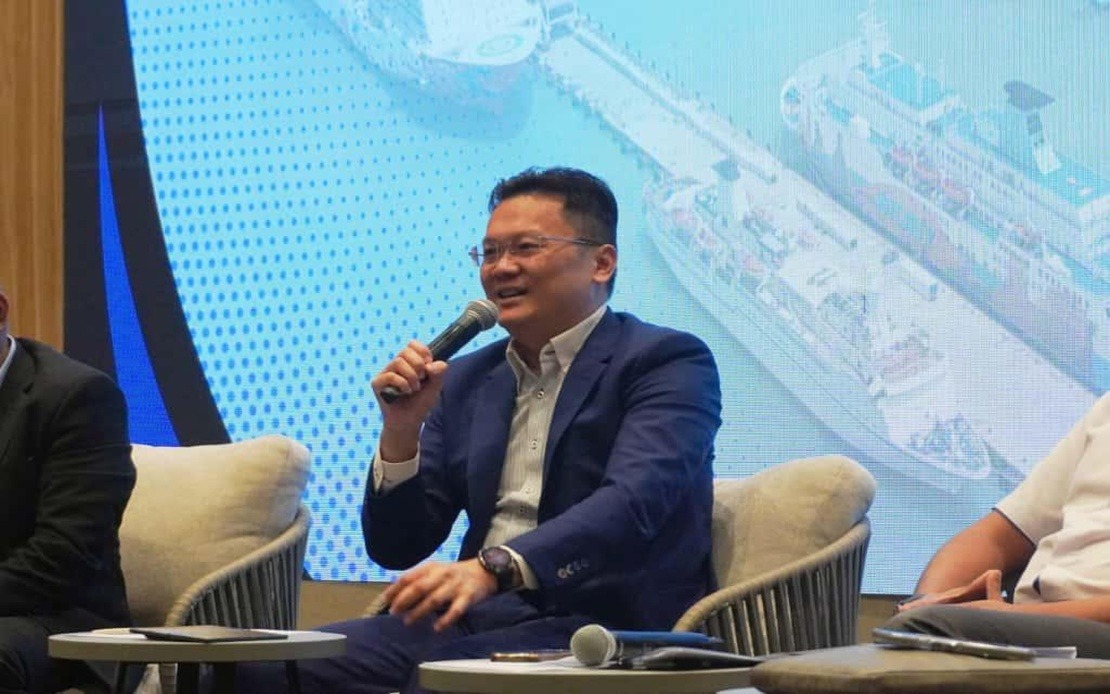
Penang Port Commission has taken a decisive step towards strengthening maritime environmental governance by establishing a new Standard Operating Procedure for handling ship-generated waste across all port terminals. The move, announced by PPC chairman Datuk Yeoh Soon Hin, represents a structured approach to waste management that balances operational efficiency with environmental stewardship, aligning with broader regional sustainability goals and Malaysia's commitment to responsible maritime practices.
The newly implemented SOP addresses a critical gap in port operations by creating uniform standards for waste handling activities that previously operated under fragmented regulatory frameworks. By establishing clear protocols, the port authority aims to eliminate inconsistencies that could lead to environmental breaches or operational delays. This systematization is particularly significant given Penang Port's status as one of Malaysia's busiest maritime hubs, where the volume of ship-generated waste requires rigorous management to prevent marine pollution and protect the Straits of Malacca ecosystem.
Under the new framework, all companies seeking to operate as waste management providers must navigate a multi-agency approval process. Beyond obtaining a license from PPC itself, operators must secure clearances from the Department of Environment, the National Water Services Commission, the Royal Malaysian Customs Department, and local authorities. This layered compliance requirement ensures that waste handlers meet environmental standards, safety protocols, and regulatory obligations across multiple jurisdictional levels, reducing the likelihood of substandard practices slipping through administrative cracks.
The SOP introduces a three-tiered classification system for ship-generated waste that reflects the distinct handling requirements of different waste streams. Scheduled waste—typically hazardous materials from ship operations—requires the most stringent controls. Domestic waste, including dunnage and general shipboard refuse, falls into a separate category with its own protocols. Sewage waste from vessels comprises the third category, each demanding specialized treatment and disposal methods to prevent environmental contamination. This granular categorization enables operators to apply appropriate procedures tailored to each waste type's specific risks.
A cornerstone of the new regime is the requirement for waste quantity verification and comprehensive documentation. Operators must confirm the exact volume of waste with vessels before and after operations, then submit detailed declaration records to PPC and relevant agencies. This creates an auditable trail that prevents underreporting and enables authorities to track waste flows through the system. For Malaysian ports seeking to demonstrate environmental credibility to international shipping stakeholders, such transparent documentation is increasingly essential in an industry where environmental compliance directly influences a port's competitive positioning.
The initiative carries significant implications for the broader Malaysian shipping sector, as Penang Port's approach may establish precedents for other major harbors. Port Klang, Port of Tanjung Pelepas, and other major terminals across Malaysia may adopt similar frameworks, creating national consistency in maritime waste management. This potential cascade effect would position Malaysia as a regional leader in green port operations, enhancing the country's appeal to environmentally conscious shipping lines and multinational logistics operators seeking partners committed to sustainability.
Datuk Yeoh emphasized that the SOP directly supports Transport Minister Anthony Loke's Green Port aspiration, embedding environmental considerations into the port's operational DNA. By requiring the use of approved disposal facilities and mandating post-operation reporting, the framework strengthens preventive mechanisms against marine pollution while establishing continuous monitoring systems. This proactive stance contrasts with reactive approaches that address pollution incidents only after environmental damage occurs, positioning Penang Port as forward-thinking in addressing the maritime industry's environmental footprint.
The implementation reflects growing international pressure on ports to demonstrate environmental responsibility. Major shipping lines, particularly those operating under stringent European or North American environmental regulations, increasingly factor port environmental practices into their routing decisions. A port with robust waste management credentials becomes more attractive to premium shipping operations, potentially generating higher revenues through increased traffic from quality-conscious operators. For Penang, investing in environmental infrastructure thus represents both an ethical commitment and a strategic competitive advantage.
Compliance mechanisms embedded in the SOP indicate that PPC recognizes enforcement as critical to the framework's success. Beyond the initial licensing requirement, the port authority has committed to ongoing monitoring through inspections and audits, signaling that operators cannot treat compliance as a box-checking exercise. Licensed operators bear full responsibility for safe, systematic handling according to circular conditions, creating clear accountability. This enforcement posture should deter corner-cutting that might otherwise occur if consequences were perceived as minimal.
The port authority has additionally signaled openness to technological innovation in waste management practices. By encouraging adoption of advanced technologies and industry best practices, PPC acknowledges that static regulations cannot address the evolving nature of maritime waste or emerging solutions for reduction and recycling. This flexibility allows the framework to incorporate improvements without requiring constant procedural overhauls, creating a living system that adapts to operational realities and technological capabilities.
For Malaysia's maritime sector, the Penang Port waste management initiative represents a maturing approach to environmental governance that acknowledges both economic and ecological dimensions of port operations. The framework recognizes that sustainable practices are not merely regulatory burdens but essential components of modern port competitiveness. As international environmental standards tighten and shipping companies face their own carbon reduction targets, ports that establish clear, transparent waste management systems will increasingly command premium rates and attract quality operators, creating a virtuous cycle of environmental improvement and commercial success.

